
Purple leaves on plants can look beautiful, but in many cases, this color change is a warning sign. Although some plants naturally have purple foliage, many green plants turn purple due to stress. Therefore, understanding the cause early can help you protect your plant before serious damage occurs.
In most situations, purple leaves appear because of nutrient problems, cold temperatures, or root stress. However, the exact cause depends on growing conditions, watering habits, and soil quality.
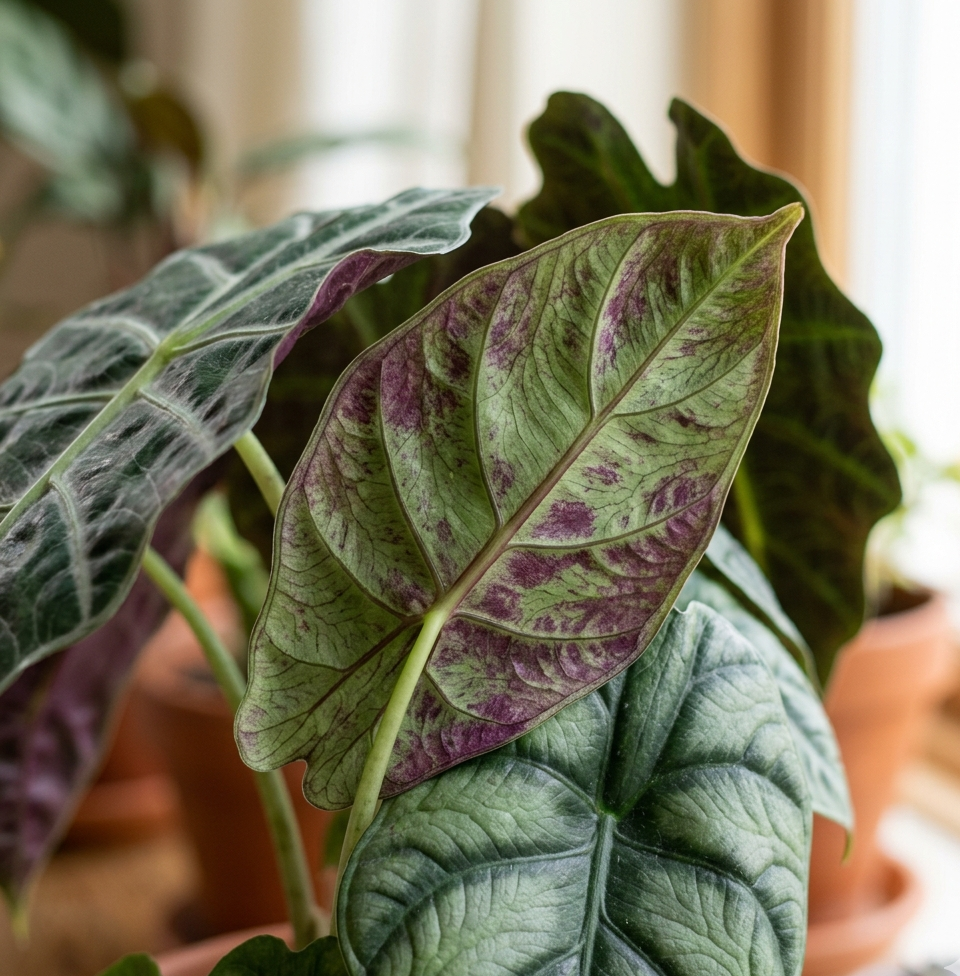
What Does It Mean When Plant Leaves Turn Purple?
When leaves turn purple, the plant is usually producing anthocyanin pigment. This pigment appears when the plant is stressed. In other words, the plant is trying to protect itself from damage.
For example, stress can be caused by:
- Cold temperatures
- Phosphorus deficiency
- Root damage
- Too much sunlight
- Overwatering
- Underwatering
Because several problems can cause purple leaves, it is important to look at other symptoms as well. For instance, if leaves are also curling, read this guide:
Why Are My Plant Leaves Curling?
https://gardenersadvice.com/why-are-my-plant-leaves-curling/
1. Phosphorus Deficiency
One of the most common causes of purple leaves is phosphorus deficiency. This nutrient is essential for root development and plant growth. When plants do not have enough phosphorus, leaves may turn dark green, red, or purple.
Additionally, growth often becomes slow, and stems may look thin and weak. This problem appears more often in poor soil or compact soil. If your plant is also growing slowly, read:
Slow Plant Growth: Common Reasons and Fixes
How to fix it:
- Use a balanced fertilizer
- Improve soil quality
- Keep soil slightly warm
- Avoid overwatering
2. Cold Temperature Stress
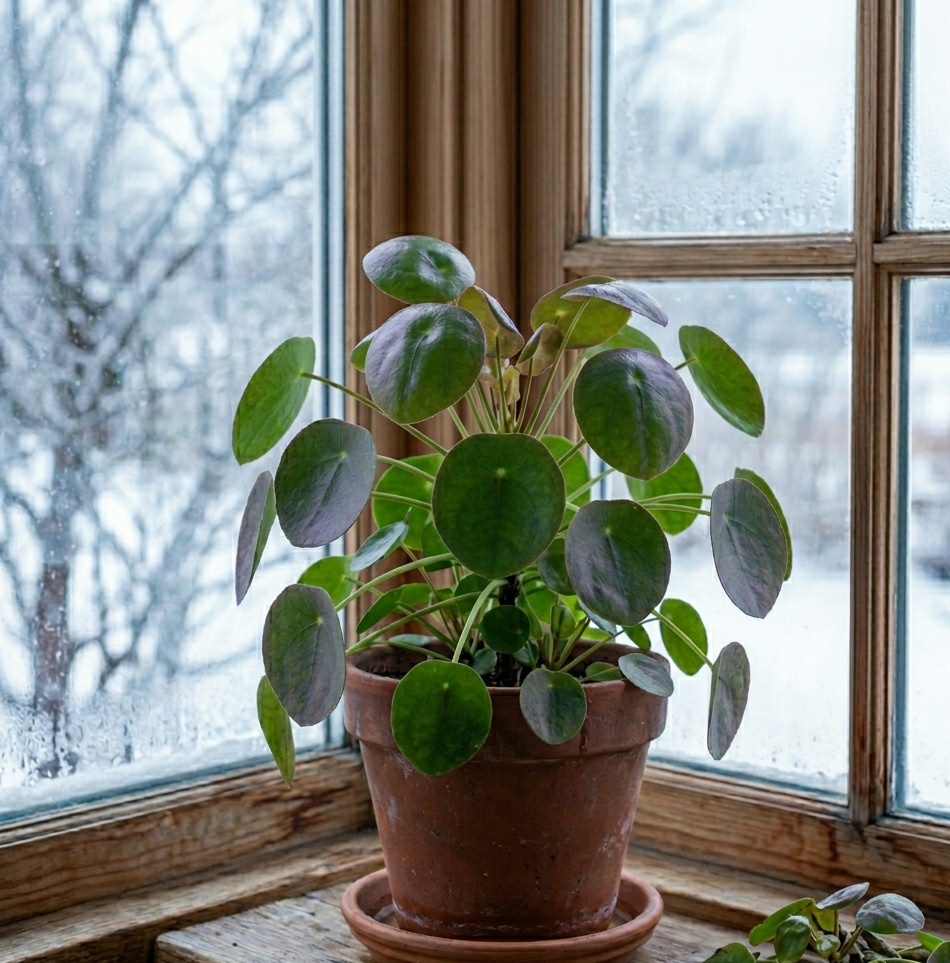
Cold soil can prevent plants from absorbing nutrients. As a result, leaves may turn purple even if the soil contains enough nutrients.
This problem often happens:
- In early spring
- Near cold windows
- When plants are placed on cold floors
- After sudden temperature drops
If your indoor plant is near a window, temperature stress may be the cause. Also, low light and cold conditions often happen together, so read:
Low Light Problems in Indoor Plants
3. Root Problems
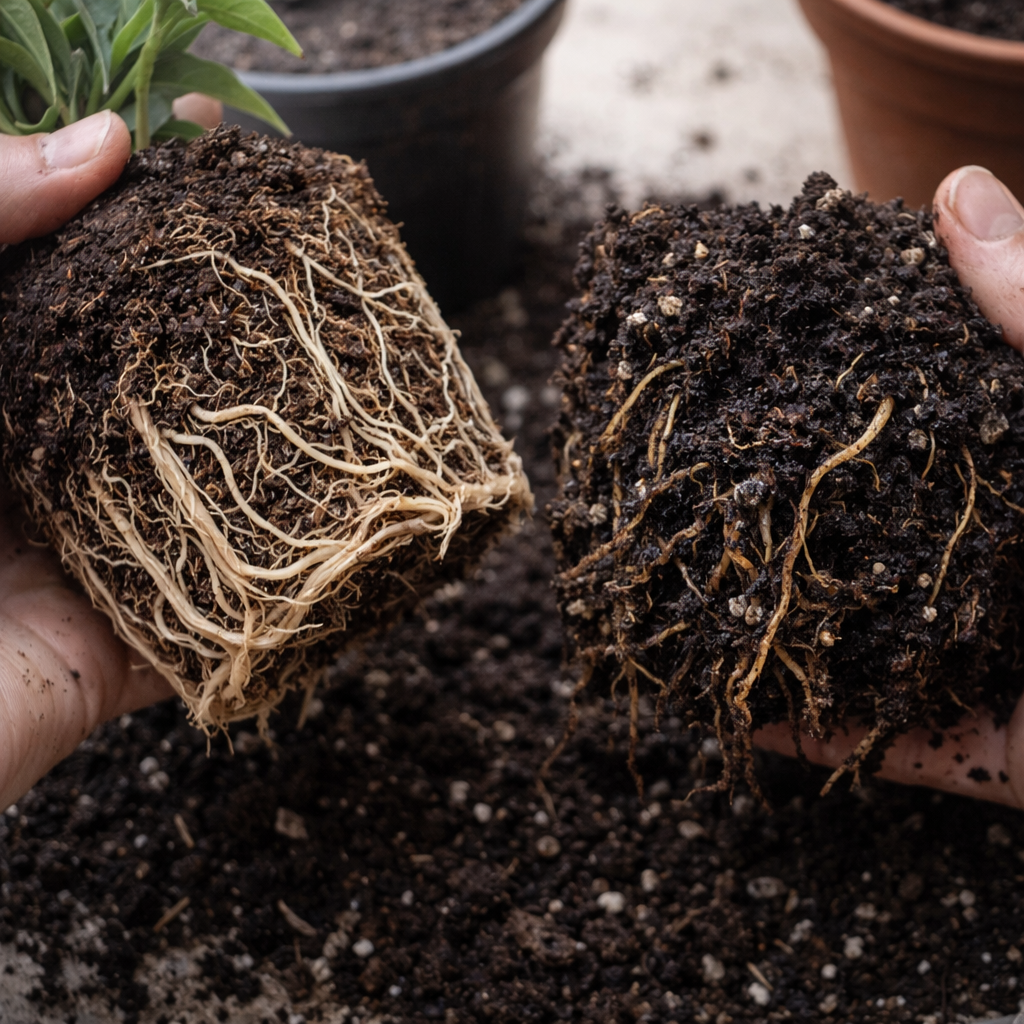
Damaged roots cannot absorb nutrients properly. Consequently, the plant becomes stressed, and leaves may change color.
Root problems can be caused by:
- Overwatering
- Root rot
- Hard soil
- Small pot
- Repotting stress
If soil stays wet for too long, roots may start to rot. In this situation, read:
Root Rot in Plants: Causes, Symptoms, and How to Save Your Plant
Signs of root problems:
- Slow growth
- Drooping leaves
- Wet soil
- Bad smell from soil
- Small new leaves
4. Too Much Sunlight
Sometimes leaves turn purple because of light stress. When light is too strong, plants produce protective pigments. As a result, leaves may develop purple or reddish tones.
This often happens when:
- Indoor plants are moved to direct sun
- Seedlings are placed in strong sunlight
- Plants grow under very strong grow lights
If your plant also has dry soil, brown tips, or curling leaves, read:
Brown Tips on Leaves: What They Mean
How to Fix Purple Leaves on Plants
Fortunately, most plants can recover if you fix the problem early. Follow these steps to help your plant recover:
- Check soil moisture
- Inspect roots
- Move plant to stable temperature
- Use balanced fertilizer
- Improve soil structure
- Repot if roots are crowded
After improving conditions, new leaves should grow healthy and green. However, old purple leaves may not turn green again.
If your plant is not growing new leaves after stress, read:
Why Is My Plant Not Growing New Leaves?
When Purple Leaves Are Normal
Some plants naturally have purple leaves. For example:
- Purple basil
- Calathea
- Tradescantia
- Coleus
- Purple heart plant
If the plant is naturally purple and growing well, there is no problem.
FAQ
Can purple leaves turn green again?
Sometimes yes. If the cause is fixed early, new leaves will grow green. However, old leaves may stay purple.
Is purple color a sign of nutrient deficiency?
Yes, phosphorus deficiency is one of the most common reasons for purple leaves.
Should I remove purple leaves?
No. Leaves still help the plant produce energy, so it is better to leave them until new leaves grow.
Conclusion
Purple leaves are often a stress signal, not just a color change. However, the problem is usually easy to fix once you identify the cause. Most commonly, purple leaves appear due to cold soil, nutrient deficiency, or root problems. Therefore, checking soil, roots, and temperature can quickly help your plant recover.