
Seeing plant leaves curl can feel alarming and frustrating, especially when everything seemed fine just days ago. However, curled leaves are not random. Instead, they are clear warning signals that something in the plant’s environment is off.
In this guide, you’ll learn why plant leaves are curling, how to identify the real cause, and which powerful fixes actually work.
What Leaf Curling Really Means
Leaf curling happens when plants try to protect themselves. As a result, leaves twist, roll, or cup to reduce stress. Therefore, ignoring this sign often leads to bigger problems like slow growth or disease.
👉 If growth already looks weak, read:
Slow Plant Growth: Common Reasons and Fixes
Most Common Reasons Plant Leaves Curl
1. Watering Problems
Improper watering is the number one cause of curling leaves. In many cases, both too much and too little water cause similar symptoms.
- Underwatering → leaves curl inward and feel dry
- Overwatering → leaves curl downward and look limp
👉 Learn how to tell the difference:
Overwatering Plants: Signs, Effects, and Solutions
Underwatering Plants: How to Tell and What to Do
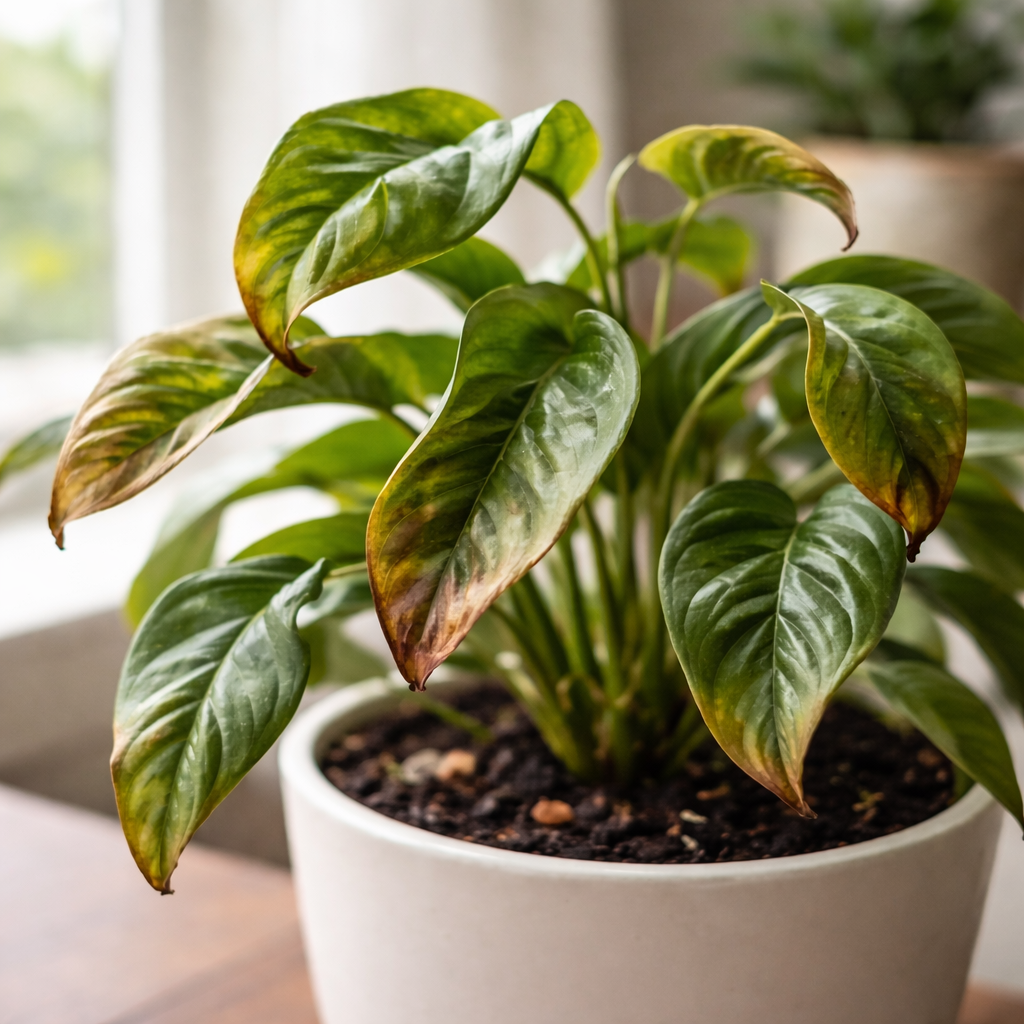
2. Heat or Light Stress
High temperatures and intense sunlight cause plants to conserve moisture. Consequently, leaves curl upward like tiny cups.
This happens often when:
- plants sit near hot windows
- outdoor plants face midday sun
- airflow is poor
👉 Related topic:
Low Light Problems in Indoor Plants
3. Pest Damage
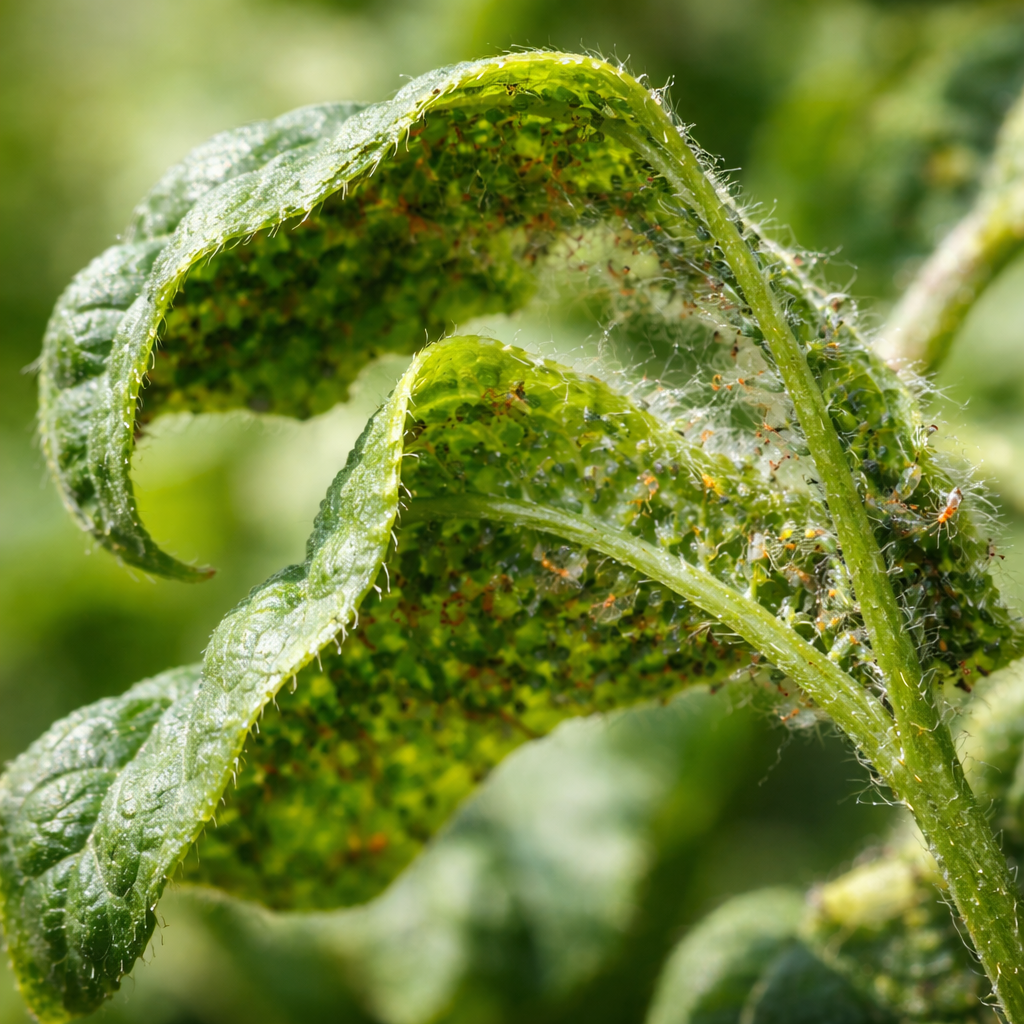
Some pests damage leaves so subtly that curling appears before insects are noticed. Meanwhile, sap loss weakens plant tissue.
Common culprits:
- aphids
- spider mites
- whiteflies
👉 Learn more:
Aphids on Plants: How to Get Rid of Them Naturally
Spider Mites on Houseplants: Causes and Treatment
4. Nutrient Imbalance
Too much or too little fertilizer disrupts leaf development. For example, excess nitrogen can cause soft, curled growth.
Warning signs include:
- twisted new leaves
- uneven leaf edges
- weak stems
👉 Helpful guide:
Signs of Nutrient Deficiency in Plants
5. Disease or Infection
Viral and fungal diseases sometimes cause permanent leaf distortion. Unfortunately, affected leaves rarely return to normal.
📌 Image placement – disease symptoms
Image generation text:
Garden plant with curled and distorted leaves caused by disease, realistic outdoor lighting, detailed texture
👉 Learn more:
Fungal Diseases in Garden Plants and How to Prevent Them
How to Fix Curling Leaves (Step by Step)
First, identify the cause before acting. Next, correct only one factor at a time. Finally, observe changes over several days.
Effective actions:
- adjust watering routine
- move plant to gentler light
- rinse leaves to remove pests
- stop fertilizing temporarily
👉 Soil health also matters:
Best Soil for Healthy Plant Growth
What NOT to Do
Many well-meaning gardeners make these mistakes. Unfortunately, they worsen the problem.
Avoid:
- spraying chemicals without identifying pests
- fertilizing stressed plants
- pruning all curled leaves at once
- changing multiple conditions simultaneously
When Curling Leaves Are Normal
Not all curling is dangerous. Sometimes, it’s temporary.
Normal situations include:
- new leaf unfurling
- short heat waves
- mild transplant shock
👉 If plants are declining overall, read:
Why Are Indoor Plants Dying? Common Mistakes
Final Thoughts
Plant leaves curl for a reason. Rather than panicking, treat curling as an early warning system. With calm observation and smart adjustments, most plants recover beautifully.
🌱 Healthy plants don’t hide problems — they reveal them early.