
Whiteflies on plants can feel absolutely devastating. One day your plant looks healthy and vibrant, yet suddenly tiny white insects explode into the air when you touch the leaves. If ignored, this frustrating infestation can quickly spiral out of control.
Fortunately, you can eliminate whiteflies safely and effectively. Let’s break it down step by step.
What Are Whiteflies?
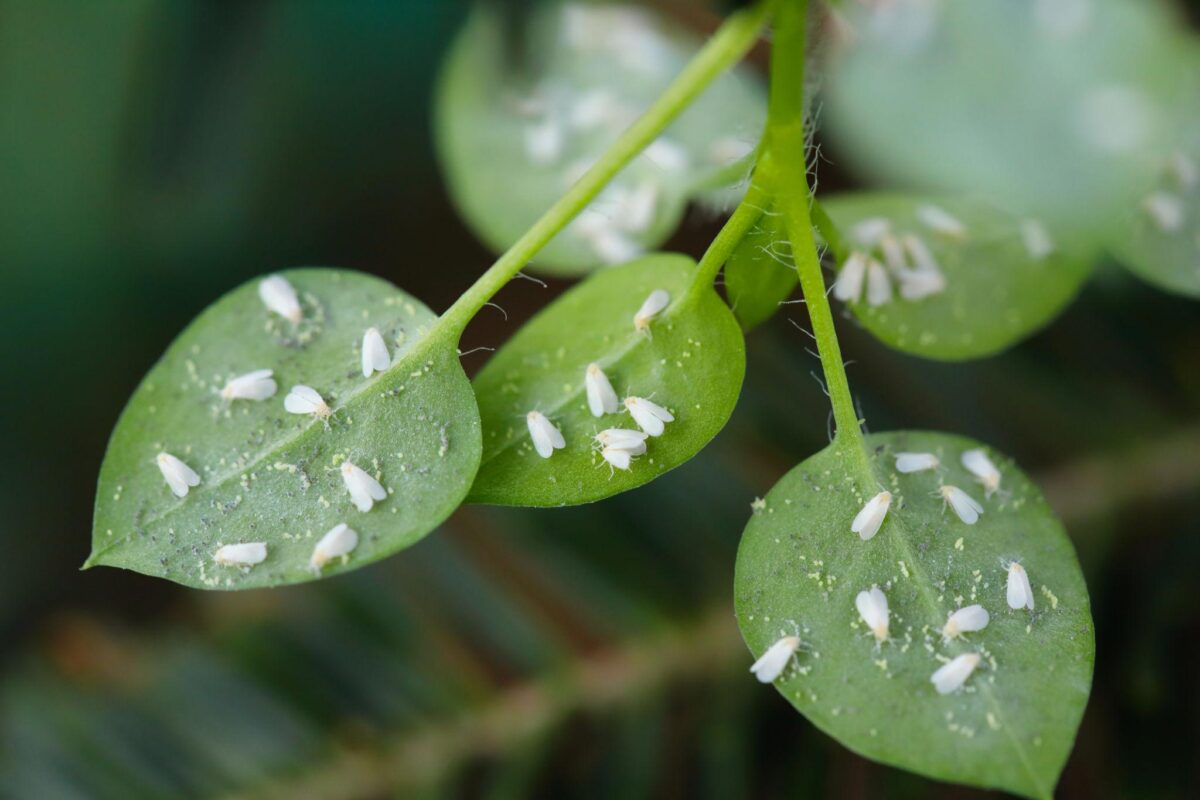
Whiteflies are tiny, winged insects that feed on plant sap. Although they resemble miniature moths, they are actually related to aphids and scale insects.
Typically, they hide on the underside of leaves. As a result, infestations often go unnoticed in the early stages. However, once disturbed, they fly up in a noticeable white cloud.
How to Identify Whiteflies on Plants
You may notice:
- Tiny white flying insects
- Yellowing leaves
- Sticky residue on foliage
- Slow, weakened growth
Additionally, leaves may feel tacky. That sticky layer is called honeydew, which whiteflies produce while feeding.
If you see yellow leaves, you might also want to read:
👉 Yellow Leaves on Plants: Causes and Solutions
Why Whiteflies Are Dangerous
Whiteflies don’t just look alarming. In fact, they can seriously weaken your plant.
First, they suck sap from the leaves. Consequently, the plant loses essential nutrients.
Second, their honeydew encourages mold growth.
Finally, heavy infestations can completely stunt plant development.
Over time, plants may wilt, stop growing, or even die.
If your plant already looks stressed, check:
👉 Why Are Indoor Plants Dying? Common Mistakes
Signs of Whitefly Damage
Look for:
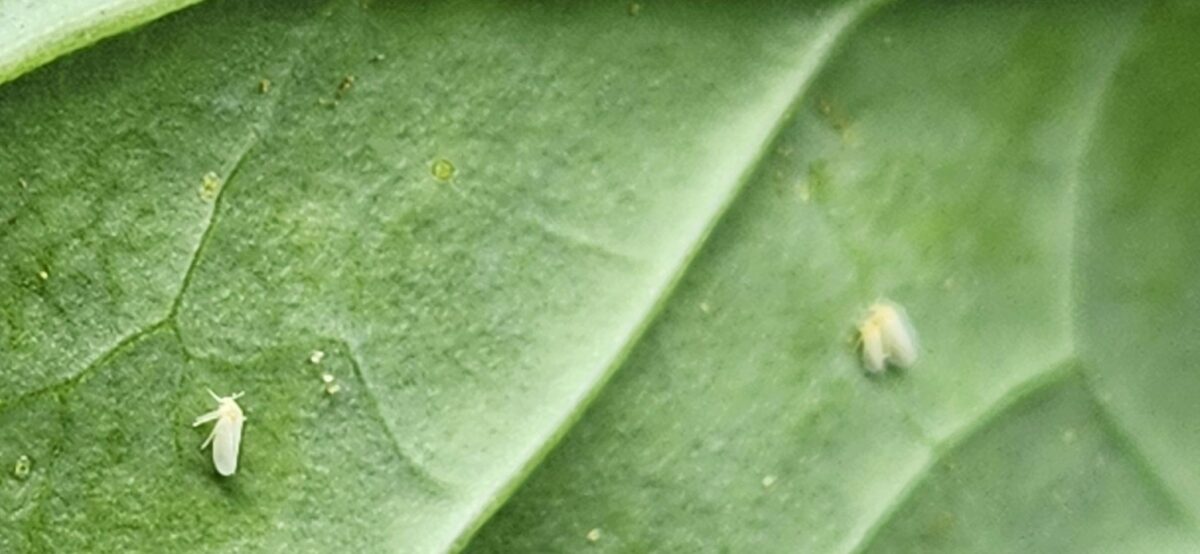
- Yellow speckles on leaves
- Curling foliage
- Sticky surfaces
- Black sooty mold
If leaves are curling, also check:
👉 Why Are My Plant Leaves Curling?
Powerful Ways to Get Rid of Whiteflies
Now the good news: whiteflies are treatable.
1️⃣ Isolate the Plant
Immediately move the affected plant away from others. Otherwise, the infestation may spread rapidly.
2️⃣ Wash the Leaves
Use lukewarm water to rinse the undersides thoroughly. This physically removes eggs and adults.
3️⃣ Use Insecticidal Soap
Apply insecticidal soap every 5–7 days. Consistency is critical here. Because eggs hatch quickly, repeated treatment is essential.
4️⃣ Neem Oil Treatment
Neem oil disrupts the whitefly life cycle. Moreover, it works as both treatment and prevention.
For more natural pest control tips, read:
👉 How to Protect Plants from Insects Without Chemicals
Sticky Honeydew Problem
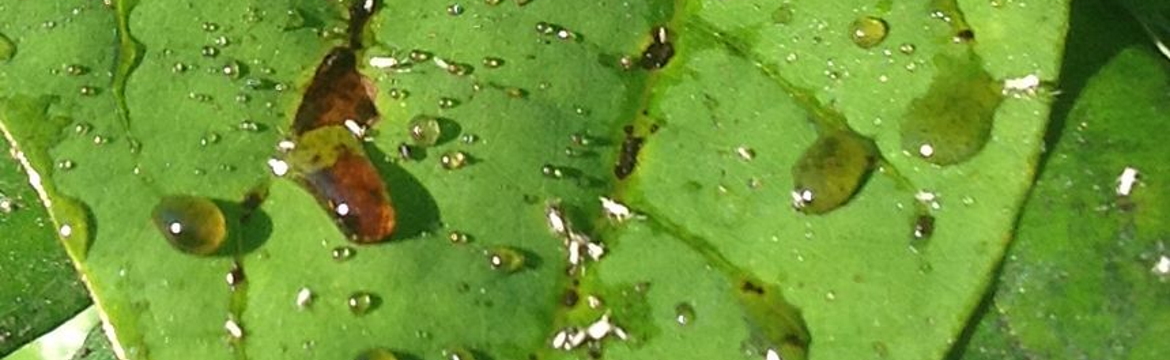
Because honeydew encourages mold, it is crucial to wipe leaves gently after treatment. Otherwise, secondary fungal issues may develop.
If mold appears, see:
👉 How to Treat Mold on Soil and Plant Stems
How to Prevent Whiteflies
Prevention is dramatically easier than elimination.
- Inspect new plants carefully
- Improve air circulation
- Avoid overwatering
- Keep leaves clean
- Use yellow sticky traps
Additionally, strong, healthy plants resist infestations better. Therefore, proper watering and nutrition matter enormously.
You may also like:
👉 Best Watering Schedule for Houseplants
👉 Signs of Nutrient Deficiency in Plants
Final Thoughts
Whiteflies on plants can feel overwhelming at first. However, with fast action and consistent care, you can absolutely save your plant.
The key is early detection, repeated treatment, and smart prevention. Stay observant, act quickly, and your plants will bounce back stronger than ever.