Underwatering plants is one of the most common yet overlooked plant care problems. Although many gardeners worry about overwatering, a lack of water can be just as damaging. As a result, plants begin to wilt, growth slows, and leaves lose their healthy appearance. Understanding the signs of underwatering plants helps you act quickly and save your plants.
👉 Overwatering Plants: Signs, Effects, and Solutions
What Is Underwatering in Plants?
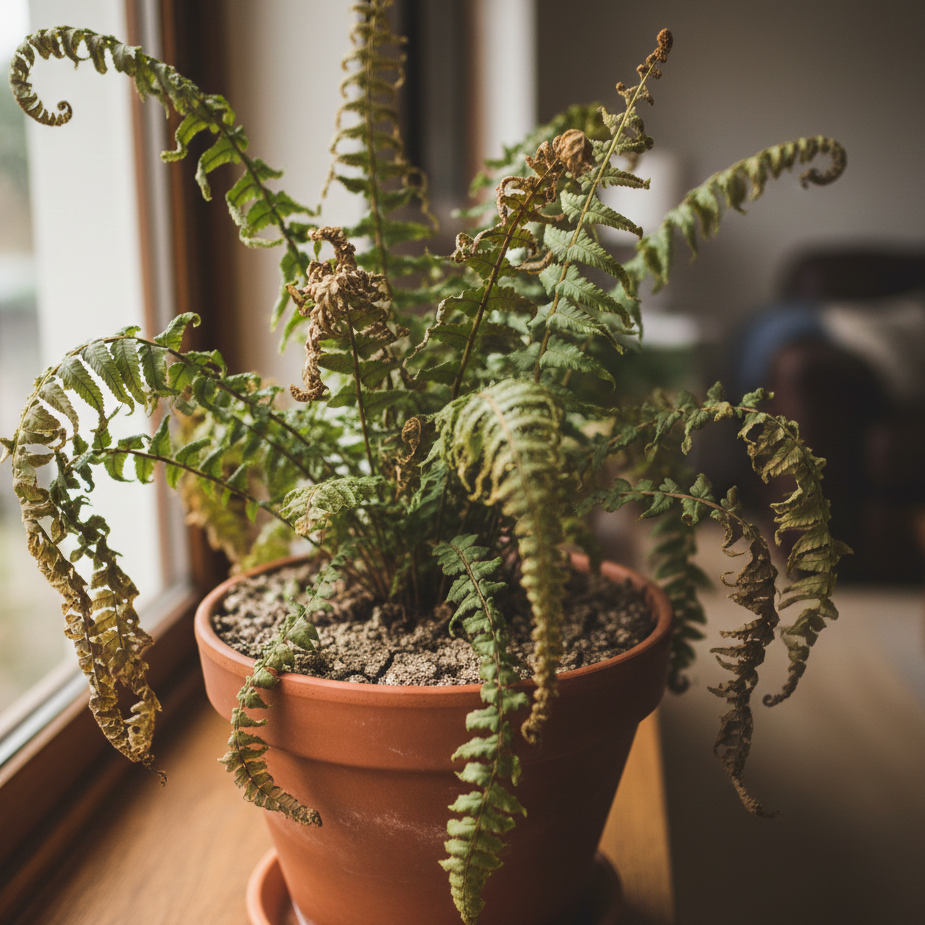
Underwatering occurs when plants do not receive enough water to support normal growth. In most cases, the soil dries out completely between waterings. Consequently, roots cannot absorb nutrients properly, leading to visible stress.
Common Causes of Underwatering
- Infrequent watering
- Fast-draining or poor soil
- Hot, dry indoor air
- Small pots that dry quickly
👉 Best Soil for Healthy Plant Growth
Signs of Underwatering Plants
1. Wilting Leaves
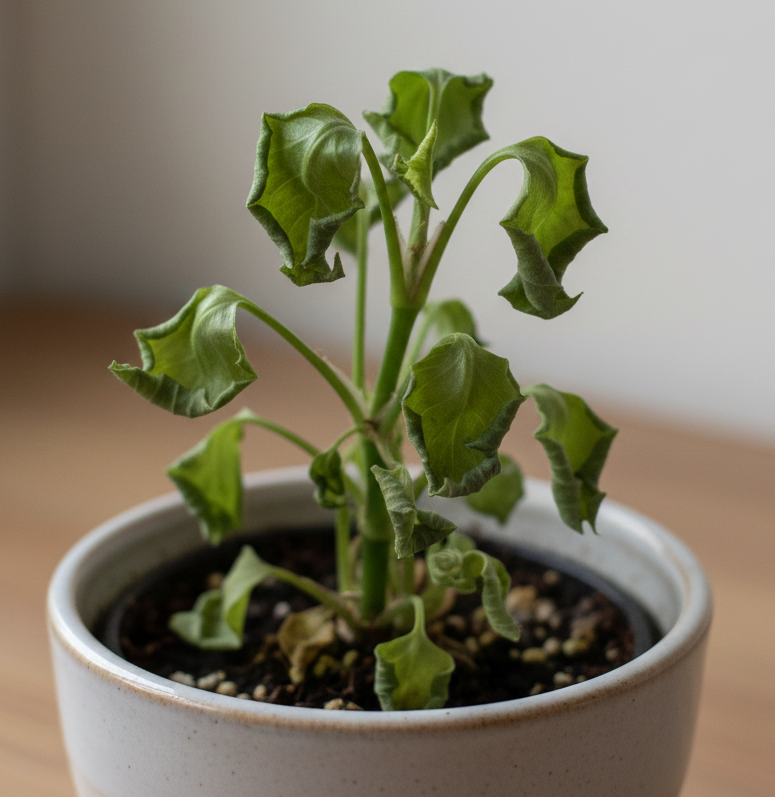
Leaves lose firmness and hang downward. Even after watering, recovery may be slow if stress has lasted too long.
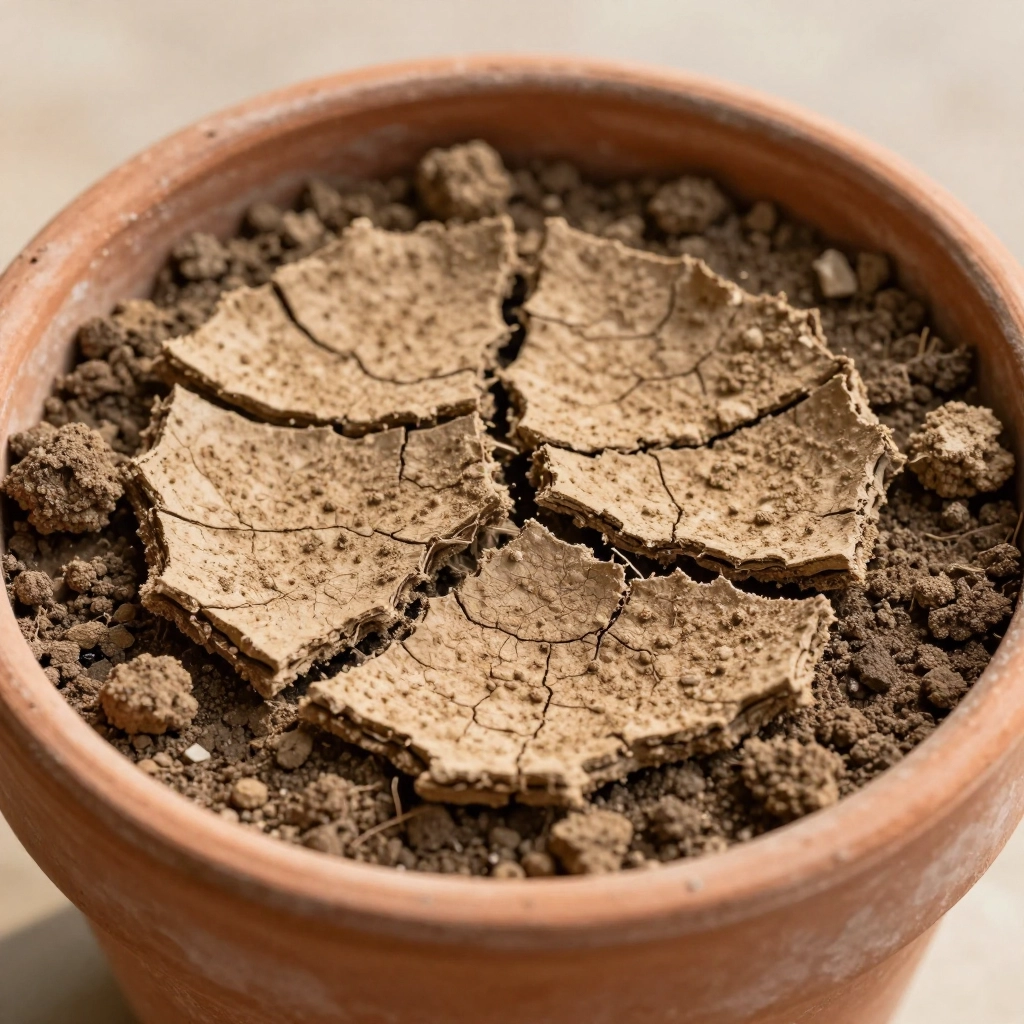
2. Dry, Cracked Soil
When soil pulls away from the pot edges, moisture is extremely low. As a result, water may run straight through without soaking in.
3. Brown or Crispy Leaf Edges
Unlike overwatering, underwatering causes dry, brittle leaf tips. Over time, affected leaves may fall off.
👉 Brown Tips on Leaves: What They Mean
4. Slow or Stopped Growth
Plants conserve energy when water is scarce. Therefore, growth becomes noticeably slower.
👉 Slow Plant Growth: Common Reasons and Fixes
How Underwatering Affects Plant Health
Without adequate water, photosynthesis becomes inefficient. As a result, plants struggle to absorb nutrients, and roots weaken over time. If ignored, prolonged underwatering can permanently damage plants.
How to Fix Underwatered Plants
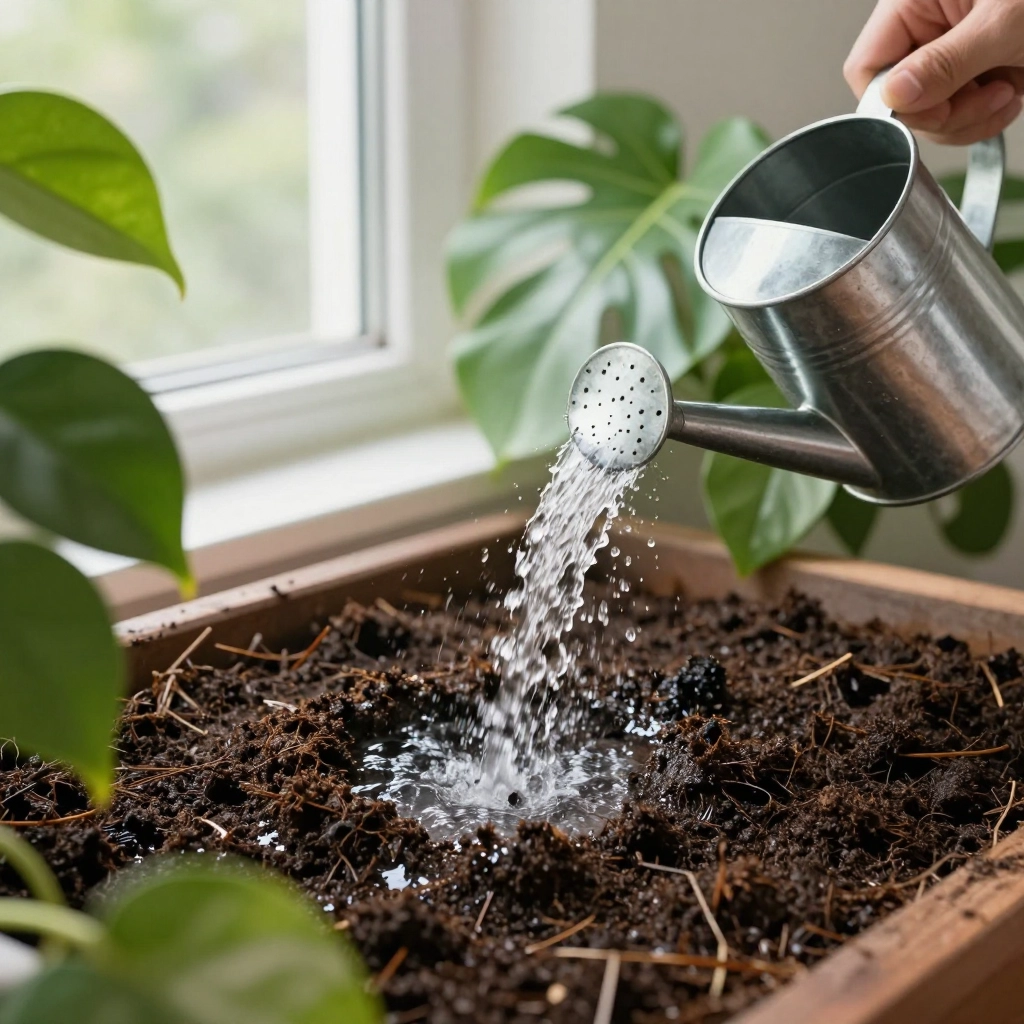
Step 1: Water Slowly and Deeply
Avoid flooding the soil. Instead, water gradually so moisture reaches all roots evenly.
Step 2: Improve Soil Moisture Retention
Adding compost or organic matter helps soil hold water longer.
👉How to Improve Poor Garden Soil Naturally
Step 3: Adjust Your Watering Schedule
Check soil moisture with your finger before watering. In most cases, plants should be watered when the top layer feels dry.
How to Prevent Underwatering
- Monitor soil regularly
- Use moisture-retaining soil
- Water more often during hot weather
- Learn individual plant needs
👉 Best Watering Schedule for Houseplants
Underwatering vs Overwatering
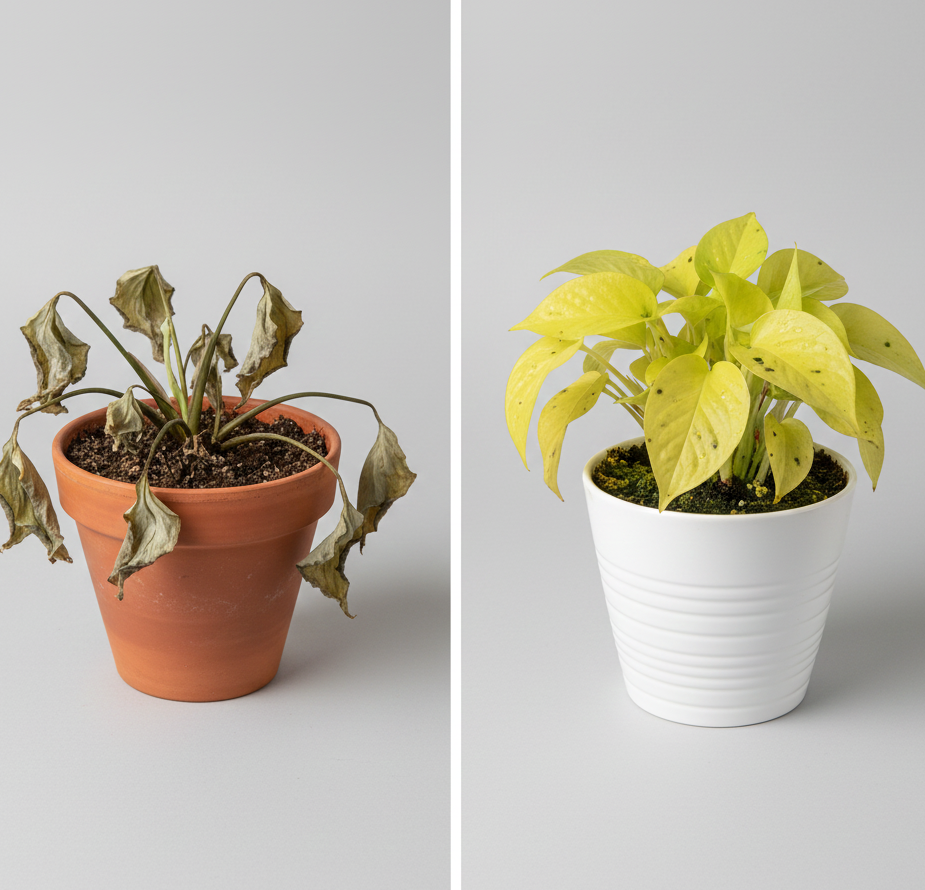
Although both problems harm plants, symptoms differ. Underwatered plants have dry, crispy leaves, while overwatered plants develop soft, yellow foliage.
👉 Yellow Leaves on Plants: Causes and Solutions
Final Thoughts
Underwatering plants is easy to fix when detected early. By watching for warning signs and adjusting watering habits, you can restore plant health quickly. With consistent care, your plants will grow stronger and look vibrant again 🌱
Frequently Asked Questions
What are the signs of underwatering plants?
Common signs of underwatering plants include wilting leaves, dry or cracked soil, brown or crispy leaf edges, and slow or stunted growth.
How often should I water underwatered plants?
Watering frequency depends on the plant type, soil, and environment. Most plants should be watered when the top inch of soil feels dry rather than following a fixed schedule.
Can underwatered plants recover?
Yes, underwatered plants can recover if the issue is corrected early. Deep, slow watering and improved soil moisture retention help restore plant health.
Is underwatering worse than overwatering?
Both underwatering and overwatering can harm plants. Underwatering causes dry, crispy leaves, while overwatering leads to yellow leaves and root rot.
How can I prevent underwatering plants?
To prevent underwatering, regularly check soil moisture, use water-retaining soil, adjust watering during hot weather, and learn each plant’s specific water needs.