
Slow plant growth can feel discouraging and even alarming. However, in most cases, stunted development is a reversible condition rather than a permanent failure. Once the underlying trigger is identified, recovery often happens faster than expected.
Healthy plants typically show steady leaf production, firm stems, and vibrant coloration. When that rhythm changes, the plant is signaling physiological stress. Therefore, early diagnosis is essential for a powerful comeback.
1️⃣ Not Enough Light
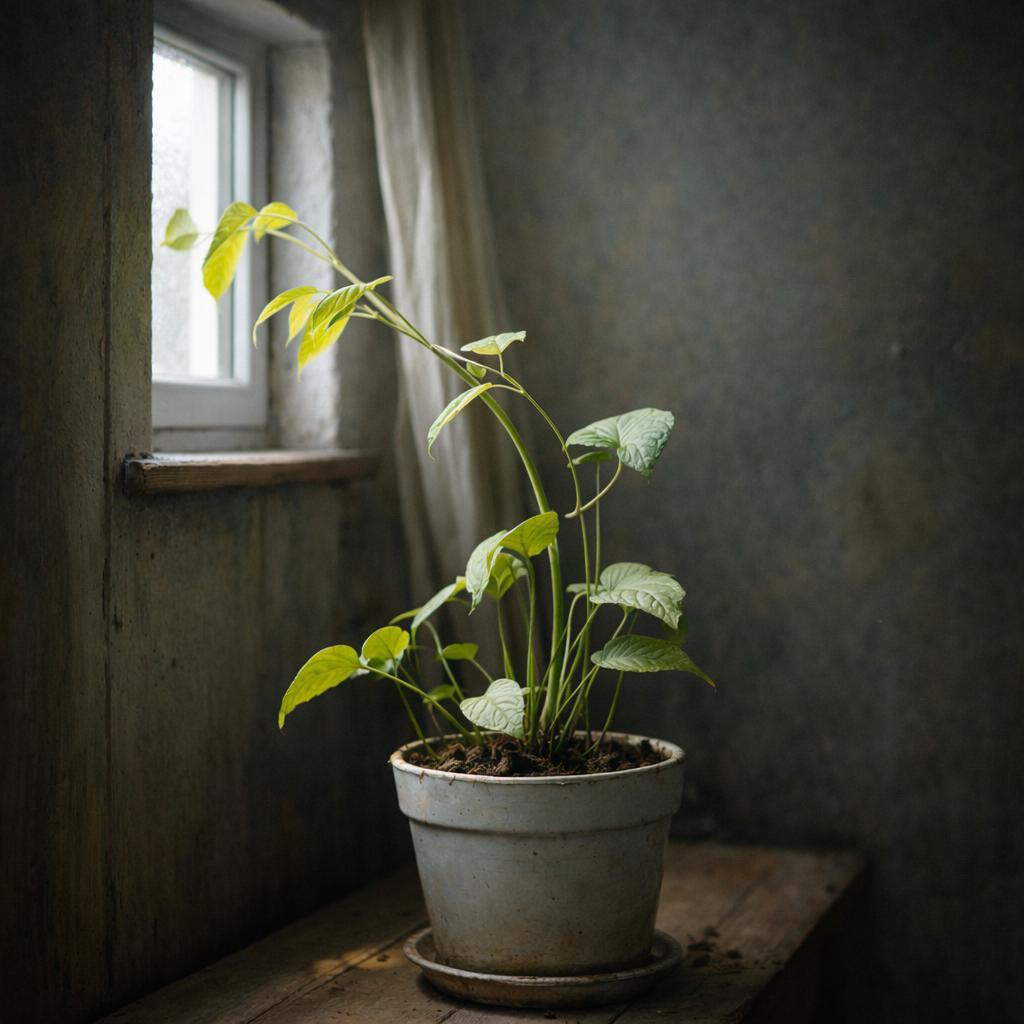
Light drives photosynthesis, which fuels cellular expansion. Without adequate brightness, metabolic activity declines significantly. As a result, slow plant growth becomes inevitable.
Common symptoms include elongated stems, undersized foliage, and chlorosis. In addition, the plant may lean dramatically toward the nearest light source.
For deeper guidance, read:
Low Light Problems in Indoor Plants
How to Fix It
Move your plant closer to a bright window. Alternatively, use a grow light to stabilize illumination levels. Most indoor plants thrive with 6–8 hours of bright, indirect sunlight daily.
2️⃣ Nutrient Deficiency
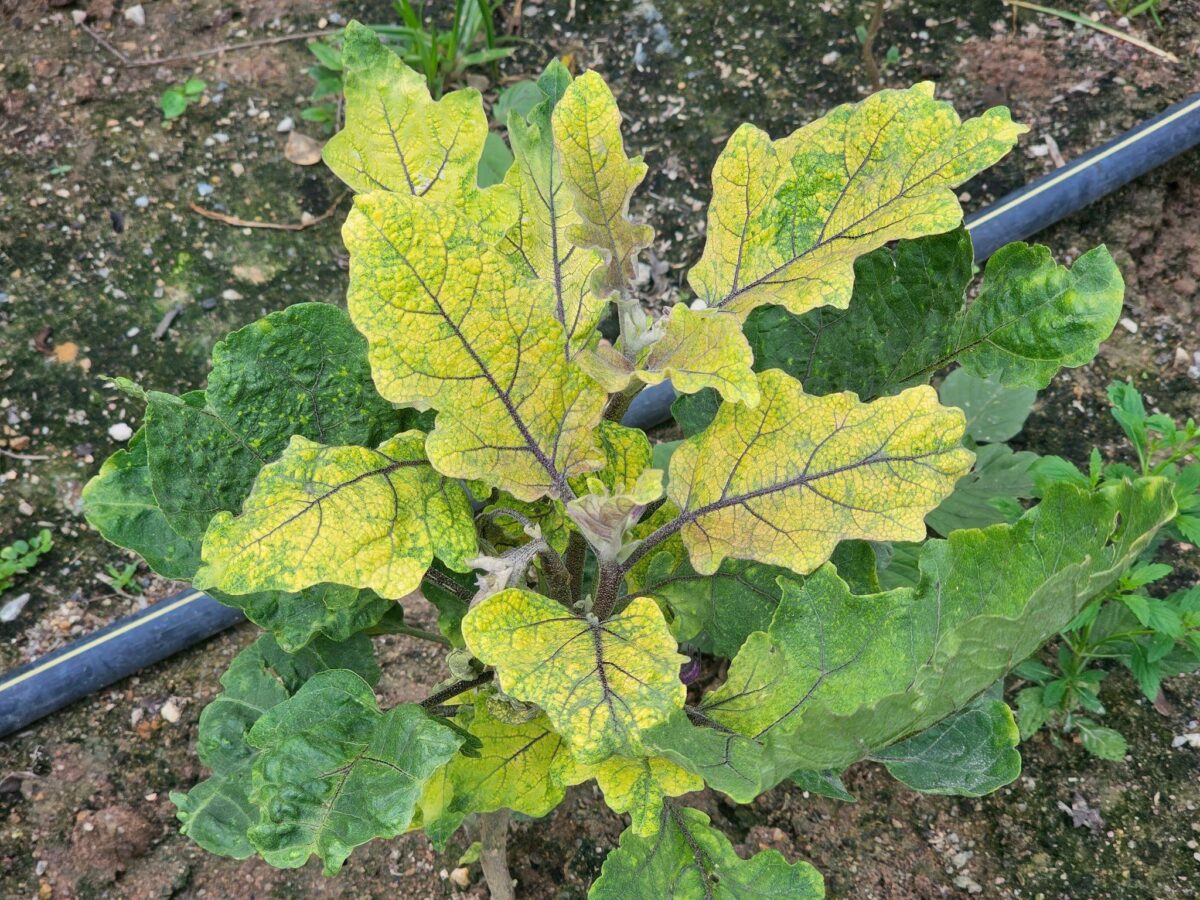
Plants require nitrogen, phosphorus, and potassium to sustain robust development. When essential nutrients are scarce, biochemical processes decelerate. Consequently, growth appears stagnant and frail.
For example, nitrogen deficiency often causes pale foliage and thin stems. Over time, vitality diminishes noticeably.
Related articles:
Nitrogen Deficiency in Plants: Symptoms and Fixes
Signs of Nutrient Deficiency in Plants
How to Fix It
Apply a balanced fertilizer during the active growing season. Nevertheless, avoid overfertilizing because excessive mineral salts can damage delicate root tissues.
3️⃣ Watering Problems
Improper watering practices frequently trigger slow plant growth. Roots require oxygen for respiration. Therefore, waterlogged soil suffocates the rhizosphere and disrupts nutrient uptake.
Conversely, insufficient watering causes dehydration and metabolic inhibition. Both extremes create profound physiological stress.
You may also read:
Overwatering Plants: Signs, Effects, and Solutions
Underwatering Plants: How to Tell and What to Do
How to Fix It
Check soil moisture before each watering session. Insert your finger about 2–3 cm into the substrate. If dryness is evident, water thoroughly. If moisture persists, postpone irrigation.
4️⃣ Poor Soil Structure
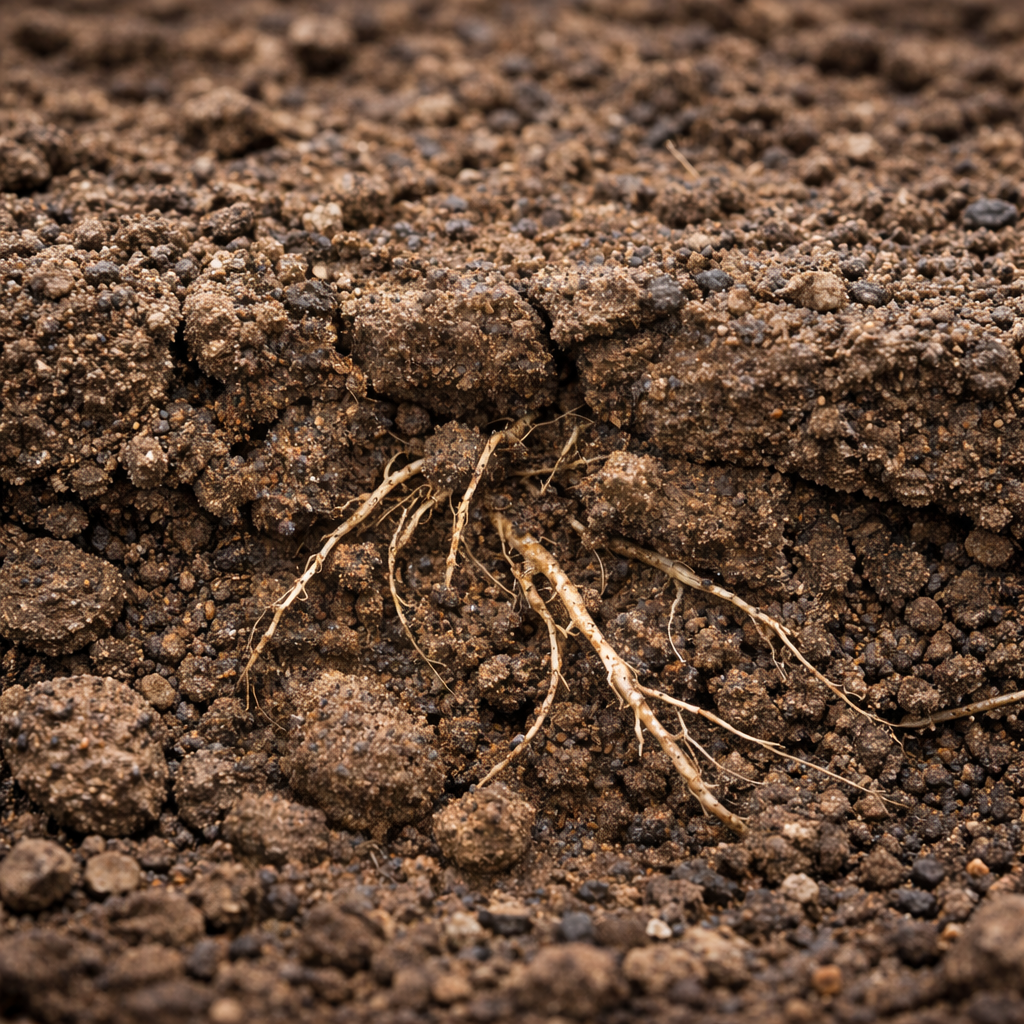
Soil quality profoundly influences plant vigor. Compacted or depleted substrate restricts aeration and impedes root proliferation. As a result, nutrient absorption becomes inefficient.
Moreover, dense soil often retains excessive moisture, increasing susceptibility to disease.
Explore further:
Best Soil for Healthy Plant Growth
How to Improve Poor Garden Soil Naturally
How to Fix It
Repot indoor plants every one to two years. Meanwhile, enrich garden beds with compost to enhance porosity and microbial vitality.
5️⃣ Root Damage
Hidden root problems can silently halt development. Root rot, fungal infections, or overcrowding impair nutrient transport and water absorption.
Although foliage may initially appear stable, growth gradually stagnates.
Helpful guide:
Root Rot in Plants: Causes, Symptoms, and How to Save Your Plant
How to Fix It
Inspect the root system carefully. Remove necrotic sections and repot using well-draining soil. Most importantly, adjust watering practices immediately.
6️⃣ Temperature Stress
Extreme temperatures disrupt cellular equilibrium. Sudden cold drafts or excessive heat may shock sensitive species. Consequently, plants conserve energy by slowing growth.
During winter months, reduced development is often natural dormancy rather than a catastrophic issue.
Keep plants away from radiators, air conditioners, and cold windows to maintain environmental stability.
Final Thoughts: A Powerful Comeback Is Possible
Slow plant growth is frustrating, yet it is rarely permanent. Once lighting, watering, soil structure, and nutrients are properly optimized, plants frequently rebound with remarkable vitality.
In fact, small strategic adjustments can produce dramatic improvements within weeks. Stay observant, act decisively, and apply these proven fixes consistently.
Your plants can recover. Even better, they can thrive with lush, vibrant, and resilient growth.