
Fertilizer can transform weak, pale plants into lush, thriving greenery. However, improper feeding often causes silent damage that gardeners only notice when it’s too late. Burned roots, yellow leaves, and stunted growth are heartbreaking but avoidable problems.
If you want powerful growth without risky mistakes, this practical guide explains exactly how to use fertilizers safely and effectively.
Why Proper Fertilizing Matters
Plants need nutrients to grow. Nitrogen supports leafy development, phosphorus strengthens roots, and potassium improves resilience. Nevertheless, too much fertilizer creates salt buildup in the soil.
Over time, excess salts damage roots and block water absorption. As a result, plants may look wilted even when the soil is moist.
If your plant already shows warning signs, read Yellow Leaves on Plants: Causes and Solutions before adding more nutrients.
Understand the NPK Ratio First
Every fertilizer label shows three numbers, such as 10-10-10. These represent:
- Nitrogen (N) – leaf growth
- Phosphorus (P) – root and flower development
- Potassium (K) – overall plant strength
Balanced formulas work well for most houseplants. Meanwhile, flowering plants often need slightly higher phosphorus.
Before applying anything, match the fertilizer type to your plant’s growth stage. Otherwise, you may unintentionally create nutrient imbalance.
To better understand soil quality, check Best Soil for Healthy Plant Growth.
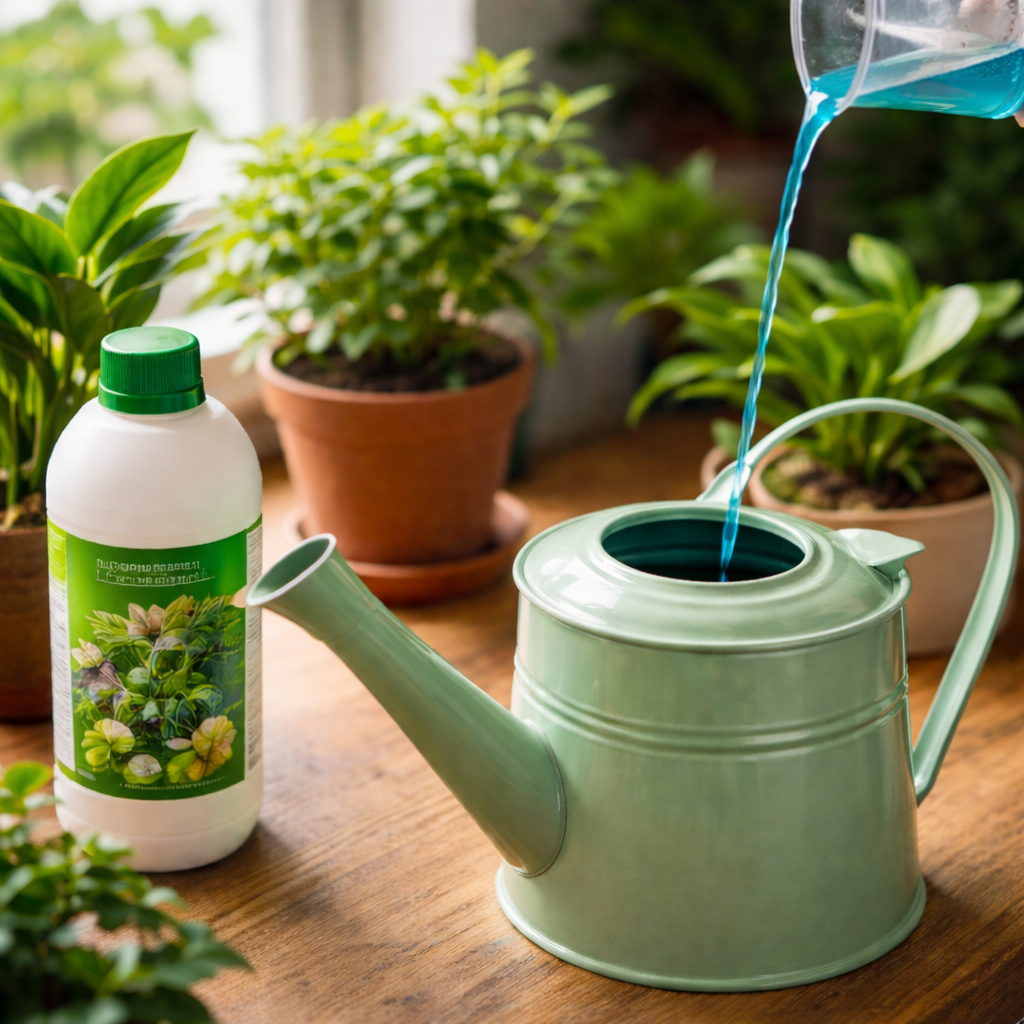
Always Dilute Liquid Fertilizers
Concentrated fertilizers are extremely potent. Therefore, applying them directly to dry soil can cause immediate root shock.
Follow these rules:
- Dilute exactly according to label instructions.
- For indoor plants, consider using half-strength solutions.
- Water lightly before feeding to protect roots.
Because roots absorb nutrients through water, proper dilution prevents chemical stress.
If you suspect overfeeding, see Overwatering Plants: Signs, Effects, and Solutions. Overwatering combined with fertilizer salts can worsen damage.
Apply Fertilizer at the Right Time
Timing dramatically affects plant health.
During spring and summer, plants actively grow and absorb nutrients efficiently. Conversely, feeding during dormancy often causes weak, leggy growth.
Indoor plants especially need seasonal adjustments. Learn more in How to Care for Indoor Plants in Winter.
Morning application is ideal because roots are metabolically active. Additionally, avoid fertilizing stressed or recently repotted plants.
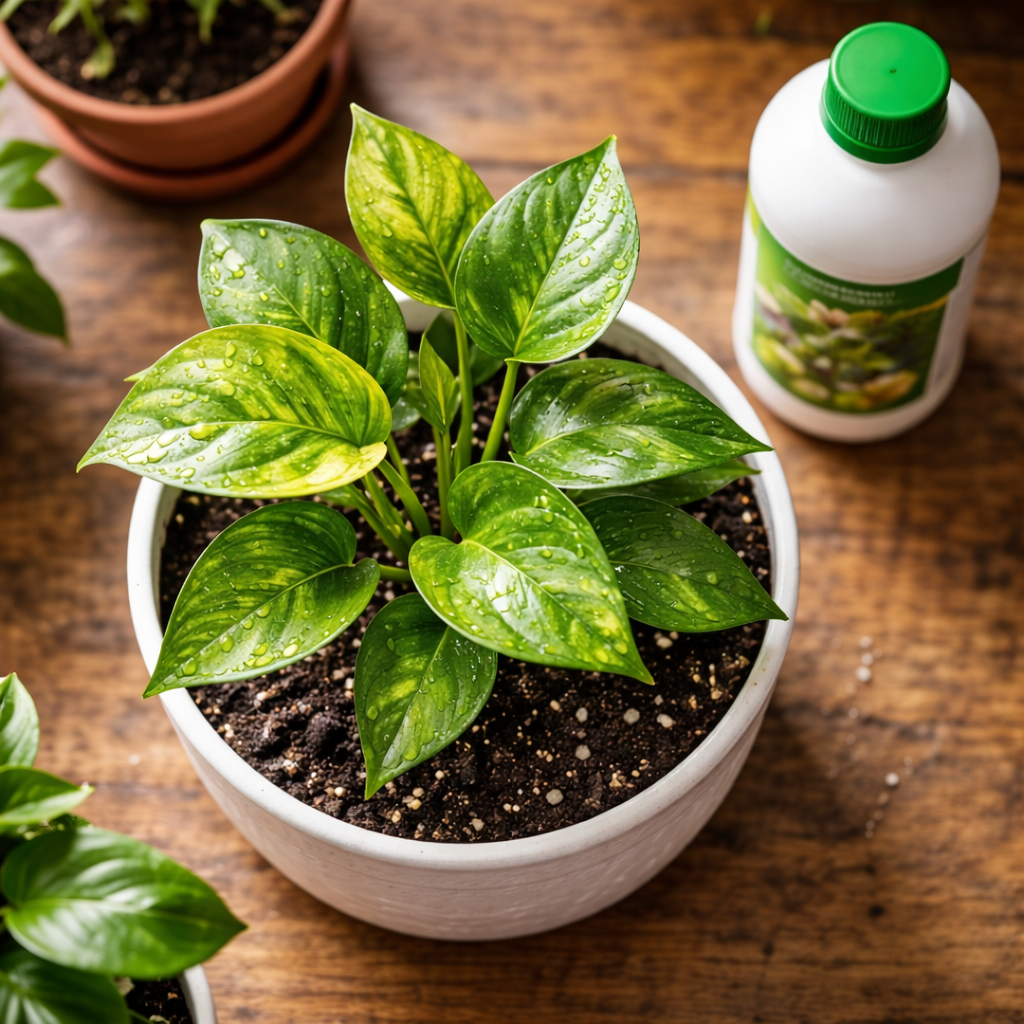
Watch for Fertilizer Burn Symptoms
Even careful gardeners sometimes overfeed. Fortunately, plants give clear warning signals:
- Brown leaf tips
- White crust on soil surface
- Wilting despite moist soil
- Slow or distorted growth
A white residue usually indicates salt accumulation. In that case, flush the soil thoroughly with distilled water to leach excess salts.
If brown edges appear, review Brown Tips on Leaves: What They Mean to confirm the cause.
Avoid Mixing Multiple Fertilizers
Using several products simultaneously may seem beneficial. However, combining formulas can create unpredictable nutrient surpluses.
Instead, choose one balanced fertilizer and monitor results for two to three weeks. Gradual adjustments are far safer than aggressive feeding.
If nutrient deficiency is suspected, consult Signs of Nutrient Deficiency in Plants before increasing dosage.
How Often Should You Fertilize?
Frequency depends on plant type:
- Fast-growing houseplants: every 2–4 weeks during active growth
- Slow-growing plants: every 4–6 weeks
- Succulents and cacti: minimal feeding
Excess frequency causes more harm than mild underfeeding. Plants recover from small deficiencies much more easily than from root burn.
For watering balance, see How Often Should You Water Indoor Plants?.
Image placement
Organic vs Synthetic Fertilizers
Organic fertilizers release nutrients gradually. Consequently, they reduce burn risk and improve soil microbiome vitality.
Synthetic fertilizers act faster and deliver immediate visible results. Nevertheless, improper application can cause dramatic stress.
Both types can be effective when used responsibly. The key difference lies in precision and moderation.
Simple Safety Checklist
Before fertilizing, confirm:
✔ Soil is slightly moist
✔ Correct NPK formula selected
✔ Proper dilution measured
✔ Plant is actively growing
✔ No visible salt crust
This checklist prevents devastating mistakes and ensures robust plant development.
Final Thoughts
Proper fertilizing requires patience, accuracy, and observation. When applied thoughtfully, fertilizer becomes a powerful growth booster rather than a hidden threat.
Start slowly. Observe closely. Adjust carefully.
Healthy plants respond with vibrant foliage, strong roots, and spectacular growth that truly transforms your indoor garden.