
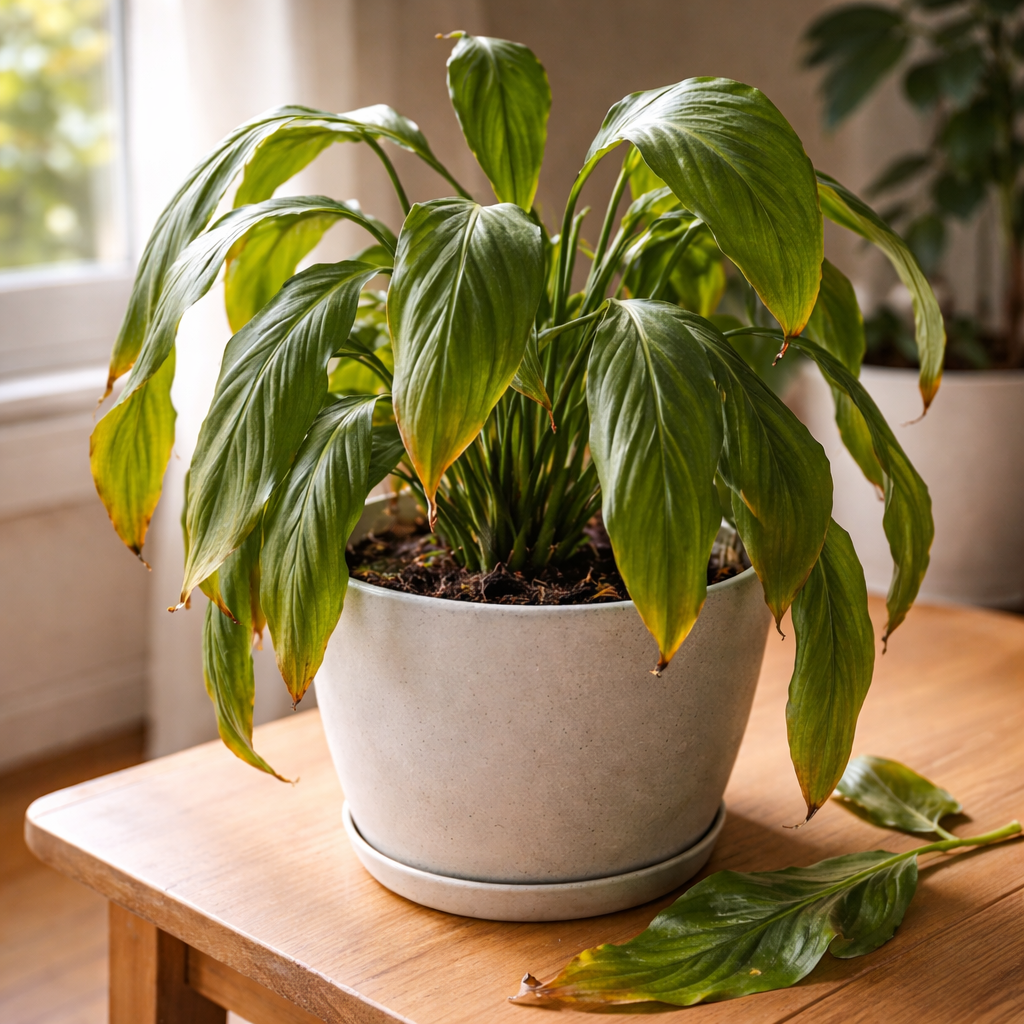
Indoor plants can suddenly look weak, dull, or close to death. However, a struggling plant is not always beyond saving. In many cases, simple adjustments can bring it back to life surprisingly fast.
A plant usually declines because of stress. For example, watering mistakes, poor light, pests, or unhealthy soil often weaken roots and leaves. Fortunately, once you identify the cause, recovery becomes much easier.
This guide explains the most common reasons houseplants decline. More importantly, you will learn practical steps to revive your plant safely and restore healthy growth.
Signs Your Houseplant Is Dying
First, it helps to recognize the warning signals early. Plants rarely collapse overnight. Instead, they show several distress signs beforehand.
Common symptoms include:
- Drooping or wilted leaves
- Yellow or brown foliage
- Slow or stopped growth
- Mushy stems or roots
- Dry, crispy leaf edges
Sometimes these symptoms overlap. For instance, brown tips may appear together with curling leaves. If that happens, check this guide on brown tips on leaves: what they mean to better understand the cause.
Step 1: Check the Soil Moisture
Watering mistakes are the most common reason houseplants struggle. Therefore, checking soil moisture should always be the first step.
Insert your finger about 2–3 cm into the soil.
- If the soil feels dry, the plant may be underwatered.
- If the soil feels soggy, overwatering could be damaging the roots.
Underwatering often causes drooping leaves and dry edges. You can learn more in this guide about underwatering plants: how to tell and what to do.
On the other hand, excess water suffocates roots and leads to rot. If the soil smells unpleasant or looks constantly wet, read overwatering plants: signs, effects, and solutions.
Step 2: Inspect the Roots
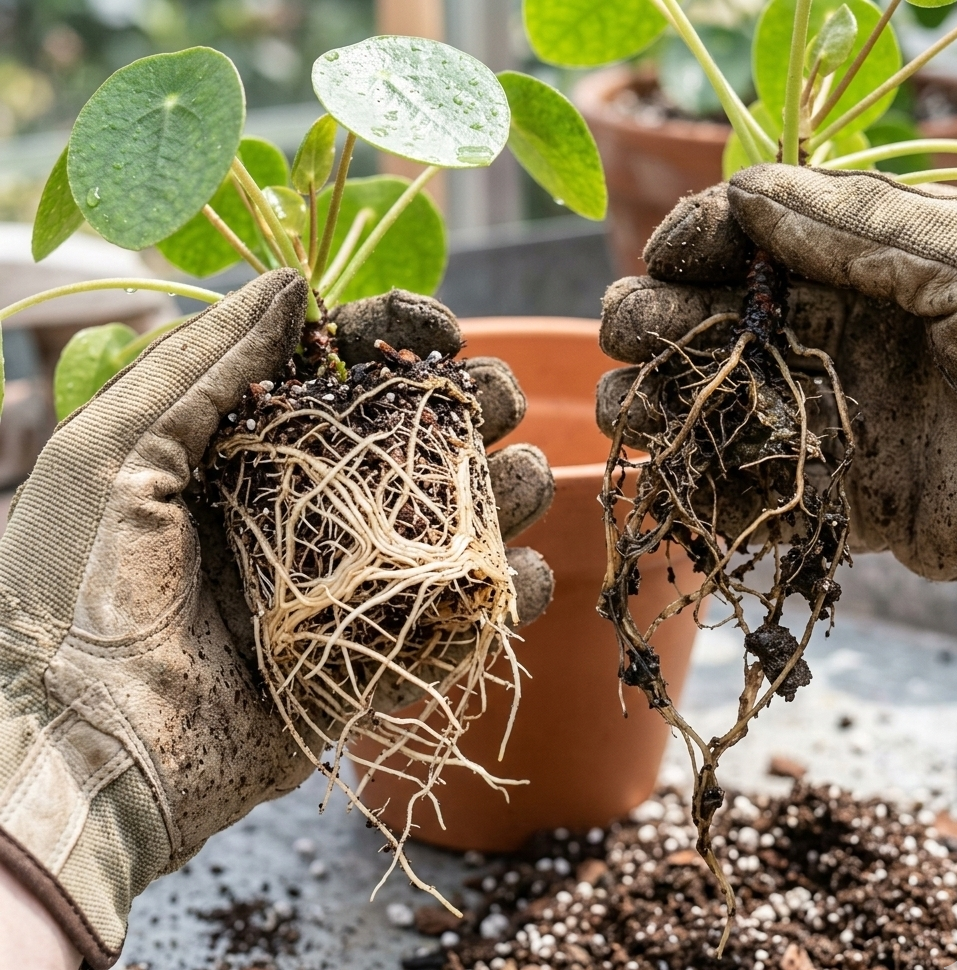
Healthy roots are firm and light in color. Damaged roots, however, appear dark, mushy, or soft.
If root rot has started, quick action is crucial.
Follow these steps:
- Carefully remove the plant from the pot
- Trim off black or mushy roots
- Replace the old soil with fresh, well-draining mix
- Repot the plant in a clean container
Root rot spreads quickly, so acting early can dramatically increase the chances of saving your plant.
Step 3: Improve Lighting Conditions
Light is essential for plant recovery. Unfortunately, many indoor plants suffer from insufficient light.
Common symptoms of low light include:
- stretched or leggy stems
- pale leaves
- slow growth
If your plant appears weak or stretched, try moving it closer to a window. However, avoid sudden exposure to strong direct sun because that can shock the plant.
You can also explore low light problems in indoor plants to understand how lighting affects plant health.
Step 4: Check for Pests
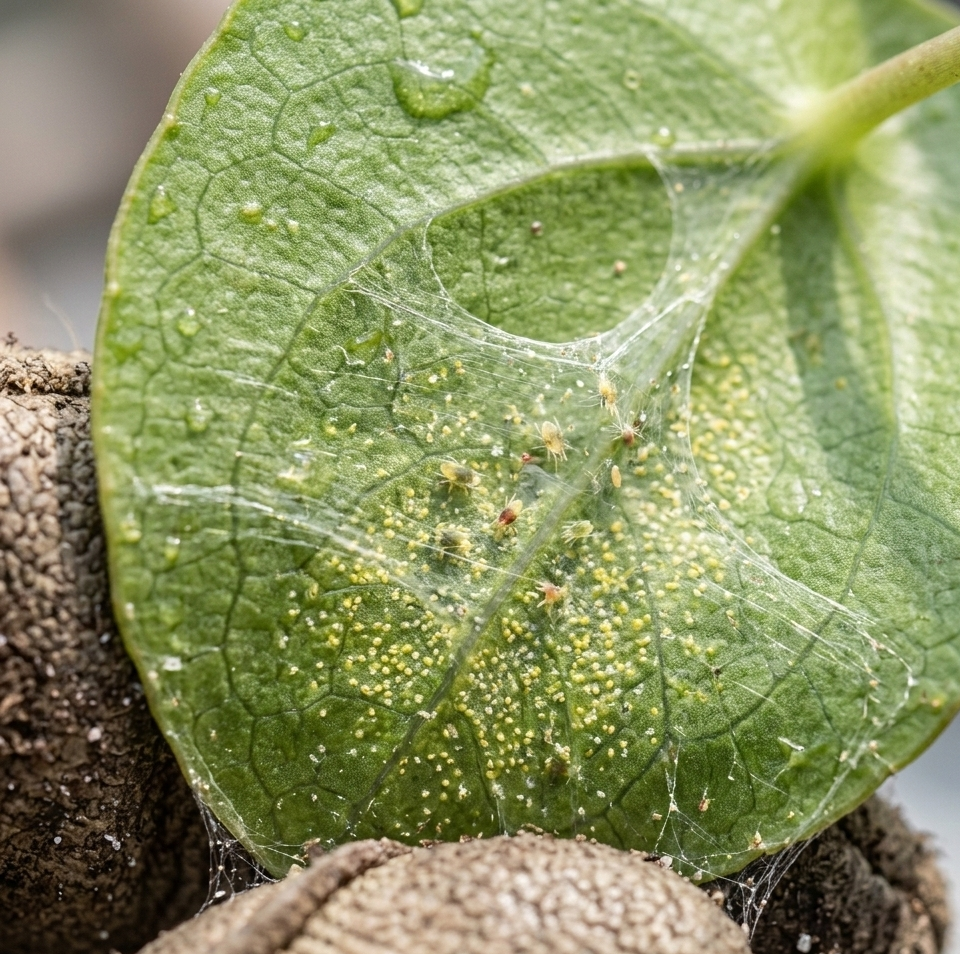
Tiny insects can weaken plants surprisingly fast. Therefore, inspect leaves carefully, especially the undersides.
Look for:
- tiny moving dots
- sticky residue on leaves
- thin webbing
- small white insects
Spider mites, aphids, and whiteflies are common indoor pests. If you notice webbing or small red dots, read spider mites on houseplants: causes and treatment.
Early pest treatment often stops plant decline quickly.
Step 5: Refresh the Soil
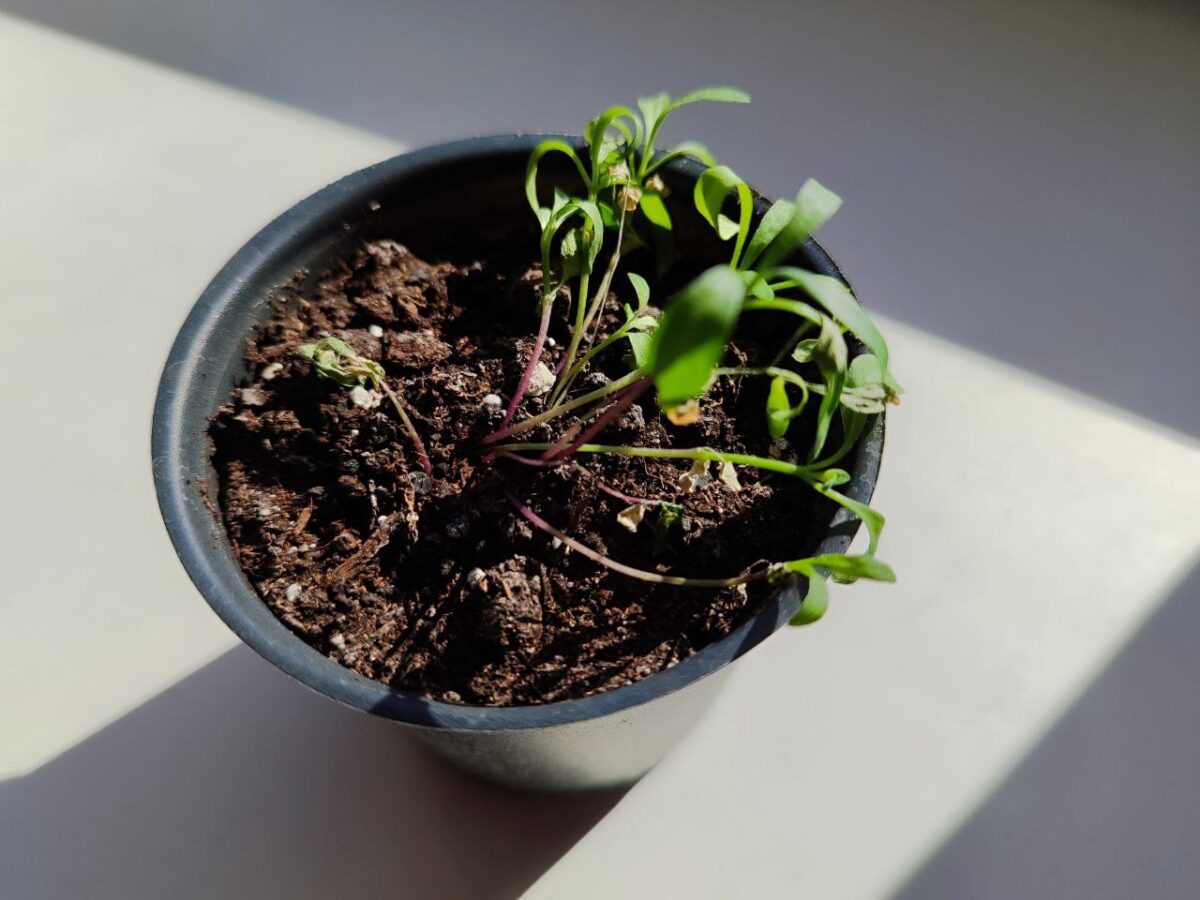
Old soil gradually loses nutrients and structure. As a result, roots may struggle to absorb water and minerals.
Repotting with fresh soil can significantly improve plant recovery.
Choose a loose and well-draining soil mix. A healthy substrate allows roots to breathe while holding enough moisture.
For guidance, check best soil for healthy plant growth.
Step 6: Remove Damaged Leaves
Pruning weak or dying leaves helps the plant redirect energy toward new growth.
Use clean scissors and remove:
- yellow leaves
- brown or dead stems
- severely damaged foliage
Nevertheless, avoid removing too many leaves at once. Gradual pruning reduces plant stress.
Step 7: Be Patient During Recovery
Plants often need time to regain strength. After adjusting watering, light, and soil, recovery may take several weeks.
Meanwhile, keep the environment stable:
- maintain moderate humidity
- avoid frequent repotting
- water only when necessary
Consistency is one of the most powerful secrets of successful plant care.
Final Thoughts
Seeing a struggling houseplant can feel frustrating. However, most plants are surprisingly resilient. Once you identify the root cause, recovery becomes possible.
Check watering, lighting, pests, and soil carefully. Then give your plant time and proper care. With patience and the right adjustments, even a weak plant can return to vibrant life.
Your plant might look fragile today. Yet with these simple steps, you can revive it faster than you expect and enjoy healthy green growth again.