Healthy plants can suddenly look stressed, distorted, or covered in tiny invaders. Fortunately, you don’t need harsh chemicals to fight back. Instead, you can use powerful natural methods that are safe, effective, and surprisingly simple.
In this guide, you’ll discover proven strategies to protect your plants from insects without chemicals — and keep your garden thriving.
Why Avoid Chemical Pesticides?
Chemical sprays may work fast. However, they often disrupt beneficial insects, contaminate soil, and weaken long-term plant resilience. Moreover, repeated use can create resistant pest populations, making future outbreaks even worse.
Natural methods, on the other hand, strengthen your garden ecosystem. As a result, plants become more resilient and less vulnerable over time.
If your plants already show stress symptoms, you may also want to read:
- Whiteflies on Plants: Identification and Solutions
- Aphids on Plants: How to Get Rid of Them Naturally
- Spider Mites on Houseplants: Causes and Treatment
- Common Garden Pests and How to Control Them
1. Encourage Beneficial Insects
Nature already provides powerful pest control. Ladybugs, lacewings, and predatory beetles feed on aphids, mites, and other destructive insects.
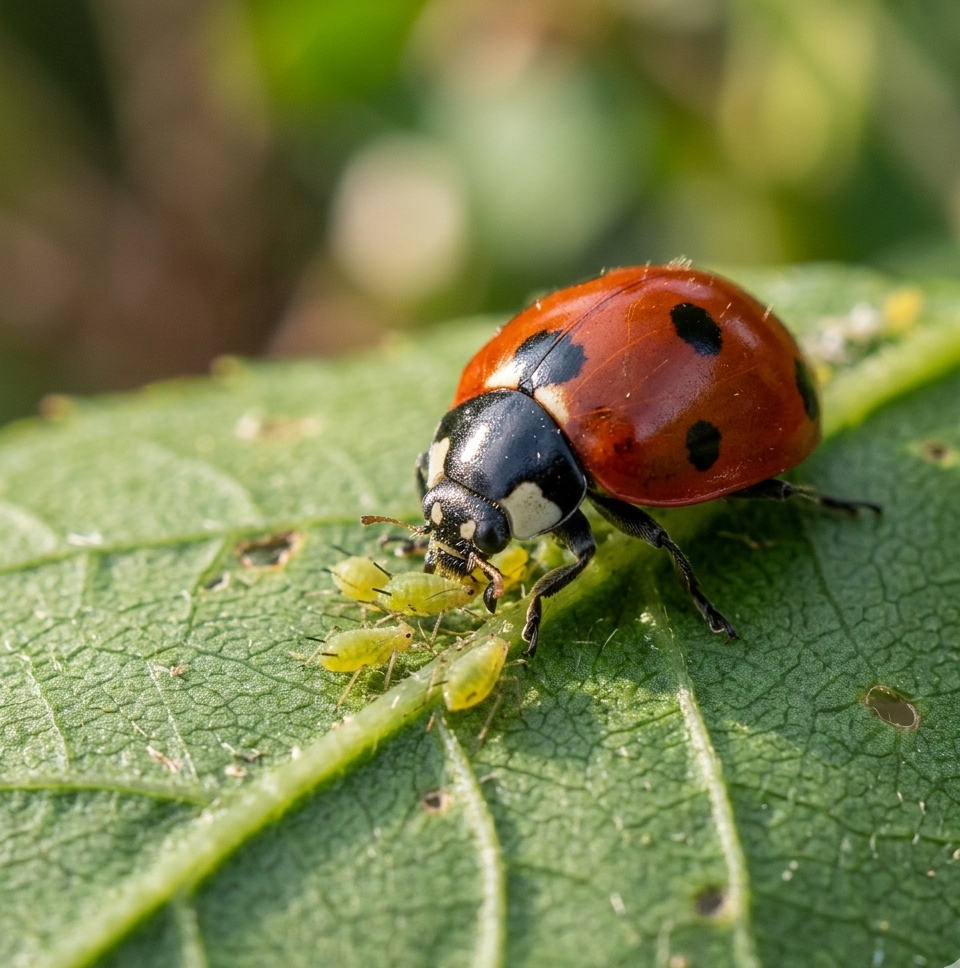
To attract these allies:
- Plant dill, fennel, calendula, and yarrow
- Avoid broad-spectrum pesticides
- Provide small water sources
Consequently, your garden becomes a balanced, self-regulating ecosystem.
2. Use Neem Oil (Natural and Powerful)
Neem oil is one of the most effective natural pest controls available. It disrupts insect feeding and reproduction without harming most beneficial insects when used correctly.
How to use it safely:
- Dilute according to label instructions
- Spray in the evening to prevent leaf burn
- Repeat every 7–10 days during infestations
Importantly, neem oil works best at early stages of infestation. Therefore, inspect leaves regularly — especially the undersides.
If you notice sticky residue or distorted leaves, check:
3. Make a Simple Soap Spray
A homemade insecticidal soap is fast, affordable, and surprisingly effective.
Recipe:
- 1 liter of water
- 1–2 teaspoons of mild liquid soap (no degreasers or fragrance)
Spray directly on pests. Within minutes, soft-bodied insects like aphids and whiteflies begin to dehydrate.
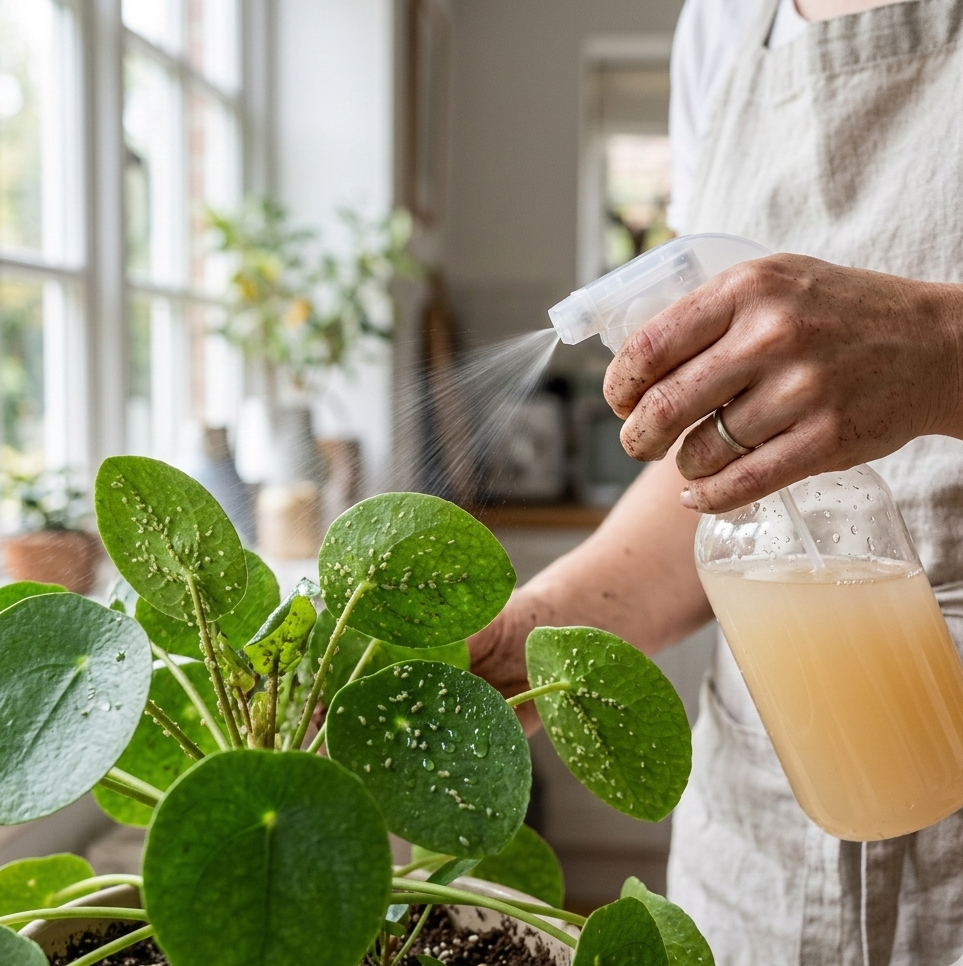
Nevertheless, always test on one leaf first. Sensitive plants may react differently.
4. Strengthen Plants Through Proper Care
Weak plants attract pests. Healthy plants, by contrast, resist them.
For example:
- Overwatering can create fungal and insect problems
- Poor soil reduces natural defenses
- Nutrient deficiencies weaken leaf tissue
You may find these guides helpful:
- Overwatering Plants: Signs, Effects, and Solutions
- Underwatering Plants: How to Tell and What to Do
- Best Soil for Healthy Plant Growth
- Signs of Nutrient Deficiency in Plants
When plants receive optimal light, balanced nutrients, and proper watering, they become far less inviting to invaders.
5. Rinse with Water (Yes, It Works!)
Sometimes the simplest method is incredibly effective. A strong stream of water physically removes aphids, spider mites, and whiteflies.
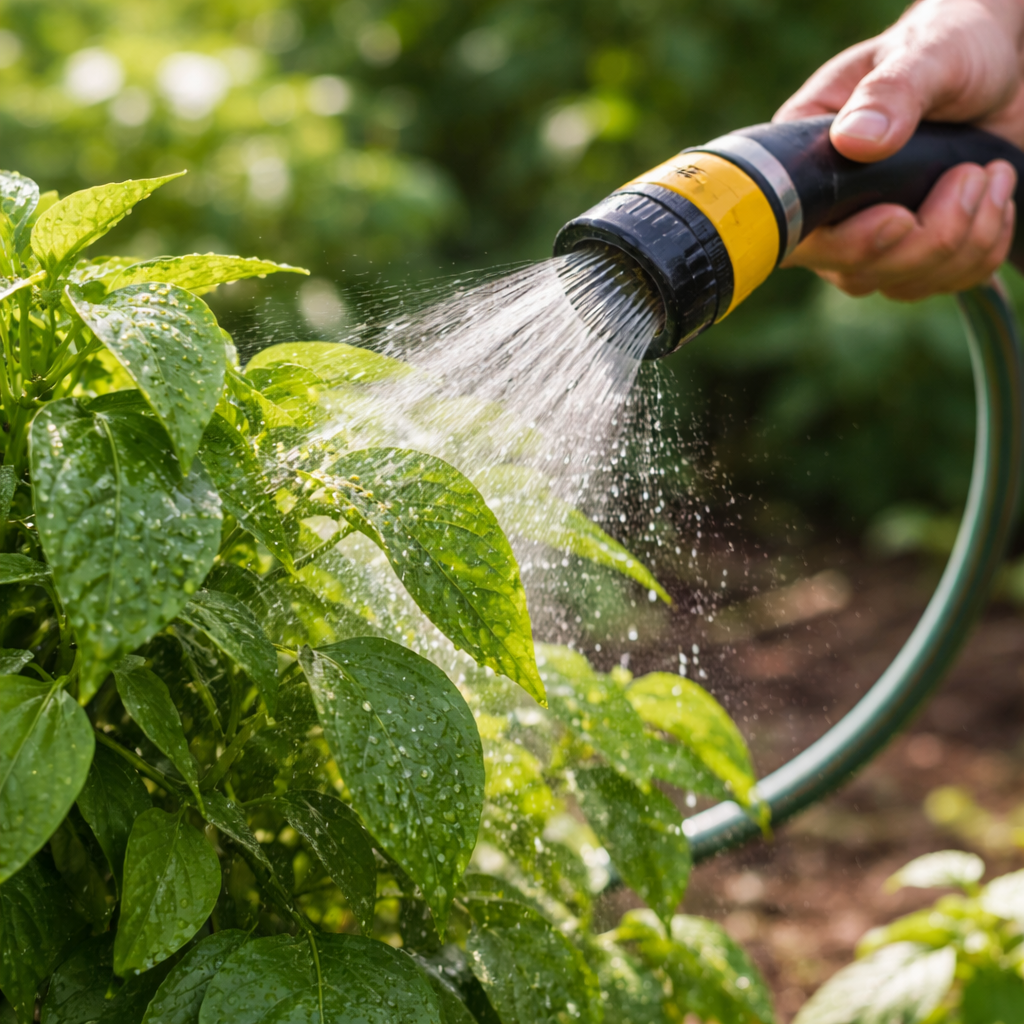
Repeat every few days until pests disappear. Additionally, this method is completely non-toxic and safe for indoor plants.
6. Introduce Physical Barriers
Prevention is powerful.
- Use fine mesh netting outdoors
- Install sticky traps to monitor flying insects
- Isolate infected plants immediately
Early isolation, in particular, can stop a minor issue from becoming a devastating outbreak.
If mold appears along with pests, read:
7. Use Companion Planting
Certain plants naturally repel insects.
For instance:
- Basil repels flies and mosquitoes
- Marigolds deter soil pests
- Mint discourages ants
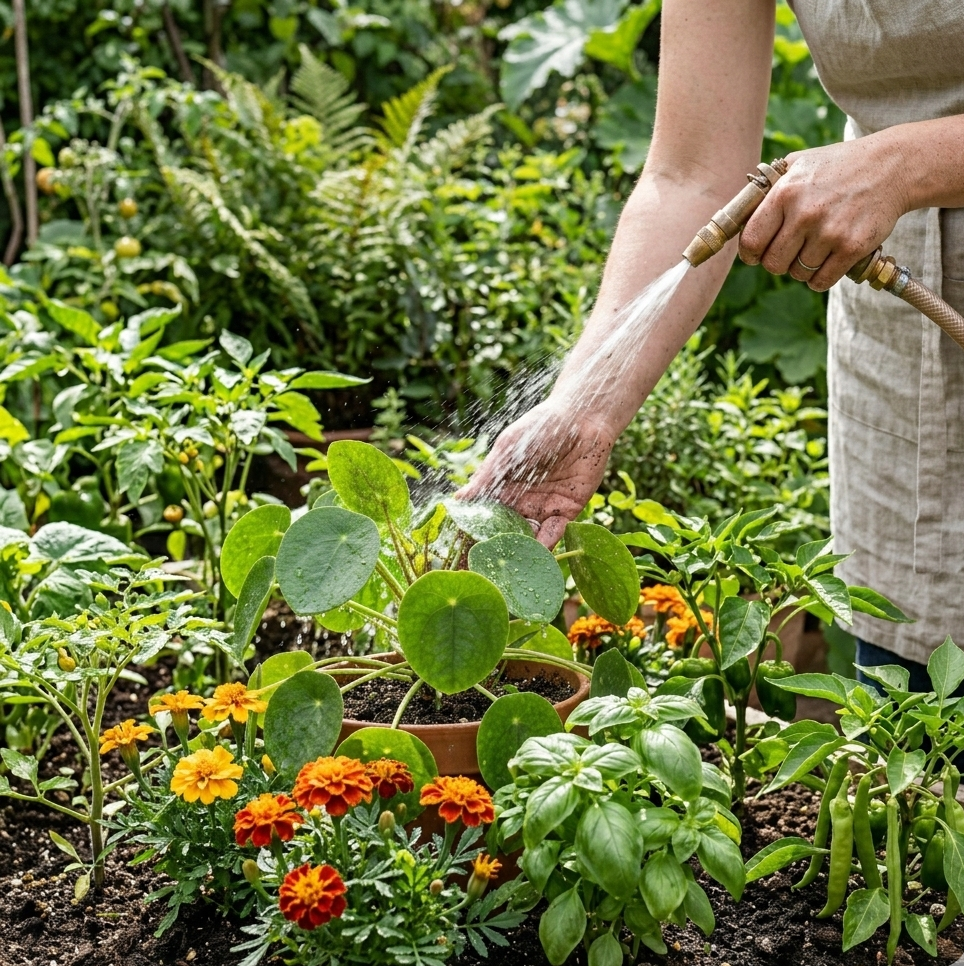
By interplanting wisely, you create a protective, aromatic shield that reduces infestations naturally.
Final Thoughts
Protecting plants without chemicals is not only possible — it’s empowering. While chemical pesticides offer quick results, natural methods build lasting resilience.
Most importantly, consistency matters. Regular inspection, balanced care, and early intervention will dramatically reduce pest pressure.
A thriving, vibrant garden doesn’t require harsh toxins. Instead, it requires attention, patience, and smart, natural strategies.
Start small. Act early. Stay consistent. Your plants will reward you with strong growth and lush, healthy foliage. 🌿