
Nitrogen deficiency in plants is one of the most common nutrient problems gardeners face. Because nitrogen is essential for leaf growth and chlorophyll production, a lack of it can quickly make plants look weak and unhealthy. Fortunately, once you understand the symptoms of nitrogen deficiency in plants, fixing the problem becomes much easier.
In this guide, you’ll learn how to identify nitrogen deficiency, what causes it, and most importantly, how to fix and prevent it to keep your plants thriving.

What Is Nitrogen Deficiency in Plants?
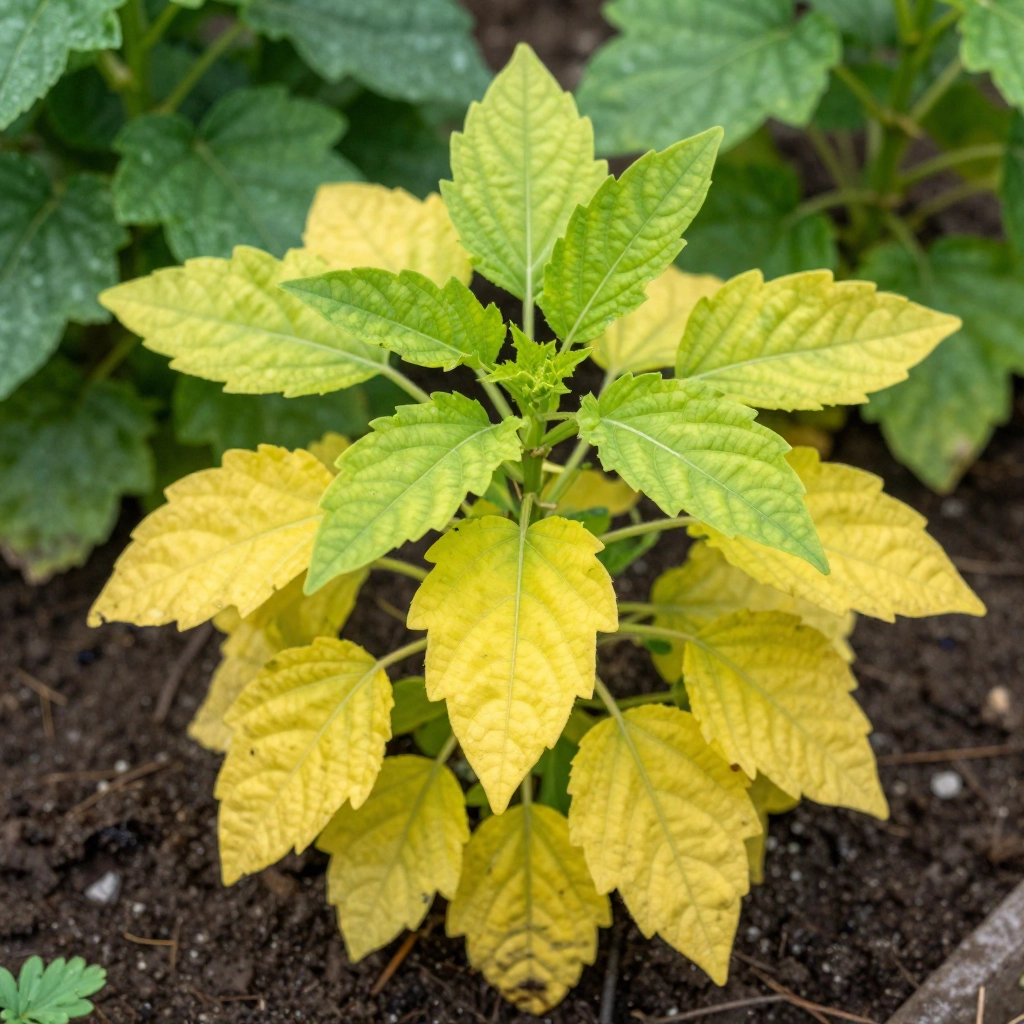
Nitrogen deficiency occurs when plants cannot absorb enough nitrogen from the soil. Since nitrogen is responsible for leafy growth, plants suffering from this deficiency often show poor development. As a result, growth slows down and leaves begin to lose their healthy green color.
Moreover, nitrogen is a mobile nutrient, meaning plants move it from older leaves to new growth when supplies are low. Therefore, symptoms usually appear first on older leaves.
Common Symptoms of Nitrogen Deficiency
1. Yellowing of Older Leaves
One of the earliest signs of nitrogen deficiency in plants is yellowing leaves, especially at the bottom of the plant. Unlike disease-related yellowing, this discoloration is usually uniform.
Yellow Leaves on Plants: Causes and Solutions
2. Slow or Stunted Growth
Plants lacking nitrogen often grow slowly or stop growing altogether. In addition, stems may become thin and weak, making the plant more vulnerable to damage.
3. Small Leaves and Poor Development
Another clear symptom is unusually small leaves. Over time, the plant may appear sparse and underdeveloped, even if watering and light conditions are correct.
4. Early Leaf Drop
Eventually, plants may shed older leaves prematurely. This happens because the plant is trying to conserve limited nutrients for survival.
What Causes Nitrogen Deficiency?
Several factors can lead to nitrogen deficiency. Most commonly, it occurs due to poor soil quality. However, other issues may also be responsible.
- Nutrient-poor or sandy soil
- Overwatering, which washes nitrogen away
- Lack of regular fertilization
- Cold soil temperatures reducing nutrient uptake
👉 Overwatering Plants: Signs, Effects, and Solutions
How to Fix Nitrogen Deficiency in Plants
1. Use Nitrogen-Rich Fertilizers
Applying a balanced or nitrogen-rich fertilizer is the fastest solution. Look for fertilizers with a higher first number in the N-P-K ratio (for example, 10-5-5).
However, always follow label instructions. Otherwise, over-fertilizing can harm plants.
2. Add Organic Matter
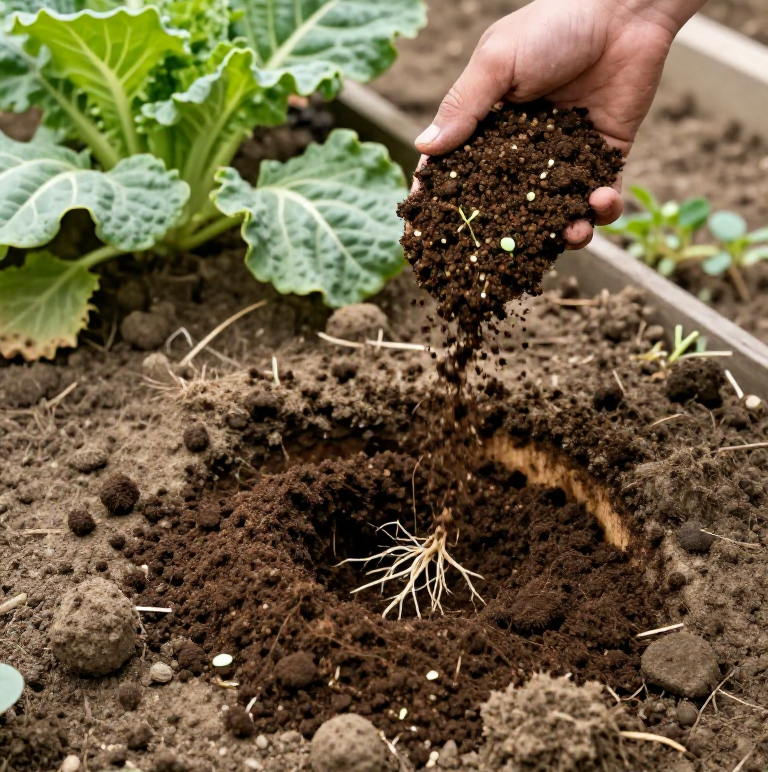
Compost, well-rotted manure, and worm castings are excellent natural nitrogen sources. In addition, they improve soil structure and microbial activity.
3. Grow Nitrogen-Fixing Plants
Legumes such as beans and peas naturally add nitrogen to the soil. As a result, planting them nearby can improve soil fertility over time.
4. Improve Watering Practices
Since excess water leaches nutrients from the soil, proper watering is essential. Make sure the soil drains well and avoid watering too frequently.
👉 Best Watering Schedule for Houseplants
How to Prevent Nitrogen Deficiency
Prevention is always better than treatment. Therefore, maintaining healthy soil should be a priority.
- Test soil regularly
- Use slow-release fertilizers
- Rotate crops in garden beds
- Mulch to retain nutrients
👉 How to Improve Poor Garden Soil Naturally
Image Placement
Final Thoughts
Nitrogen deficiency in plants can seriously impact growth and appearance. However, once identified early, it is relatively easy to fix. By improving soil quality, adjusting watering habits, and using the right fertilizers, your plants can quickly recover.
Ultimately, healthy soil leads to healthy plants — and nitrogen plays a key role in that balance.