Low light plants are often chosen for indoor spaces, yet many of them still struggle when light levels are too low. Because homes block a large portion of natural sunlight, indoor plants may slowly develop weak growth, pale leaves, and reduced vitality without obvious early warning signs. As a result, understanding how low light affects plants is essential for keeping them healthy and resilient indoors.
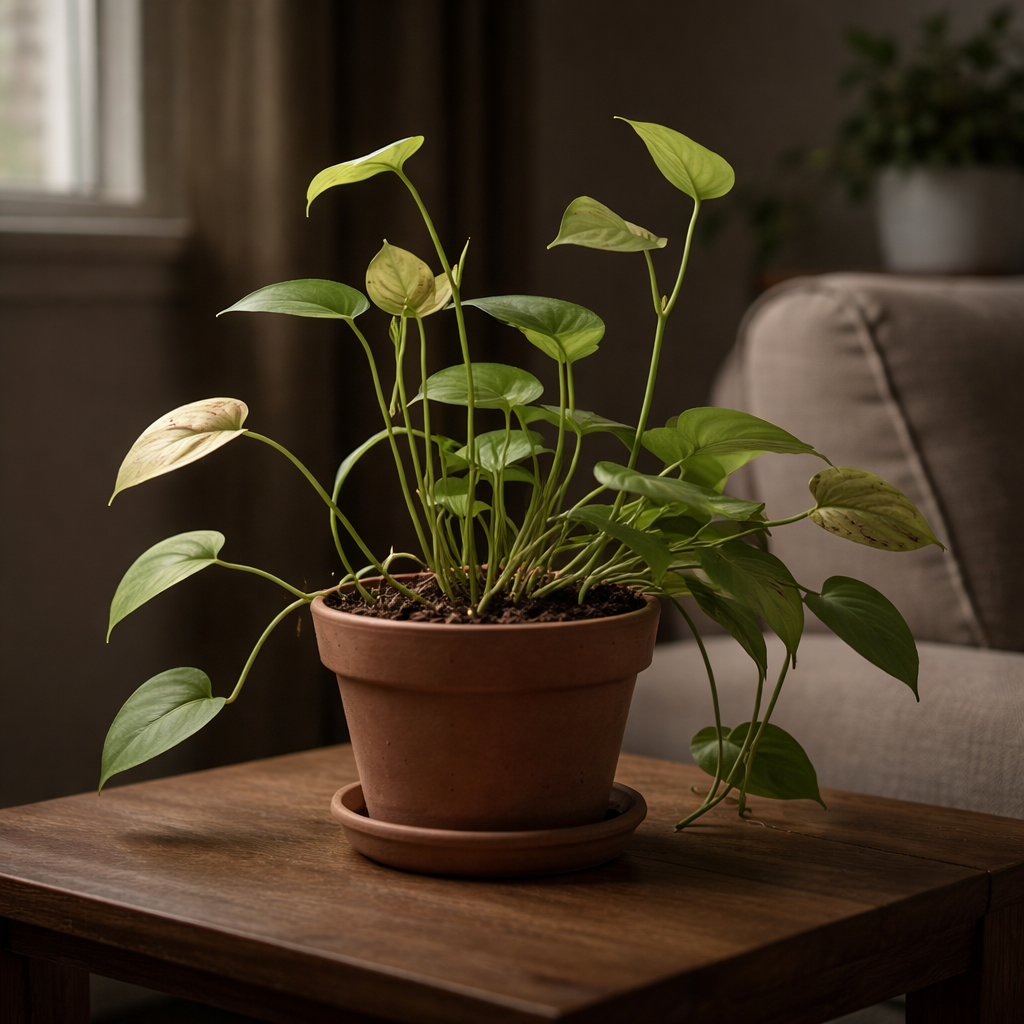
Why Light Is Critical for Indoor Plants
Light fuels photosynthesis, which allows plants to produce energy. When light levels drop, energy production slows down, causing gradual decline.
As a result, plants in low light environments struggle to maintain strong stems, vibrant leaves, and balanced growth. Over time, this invisible stress becomes visible damage.
Common Signs of Low Light Stress
Low light issues rarely appear suddenly. Instead, they develop subtly and worsen gradually.
Typical signs include:
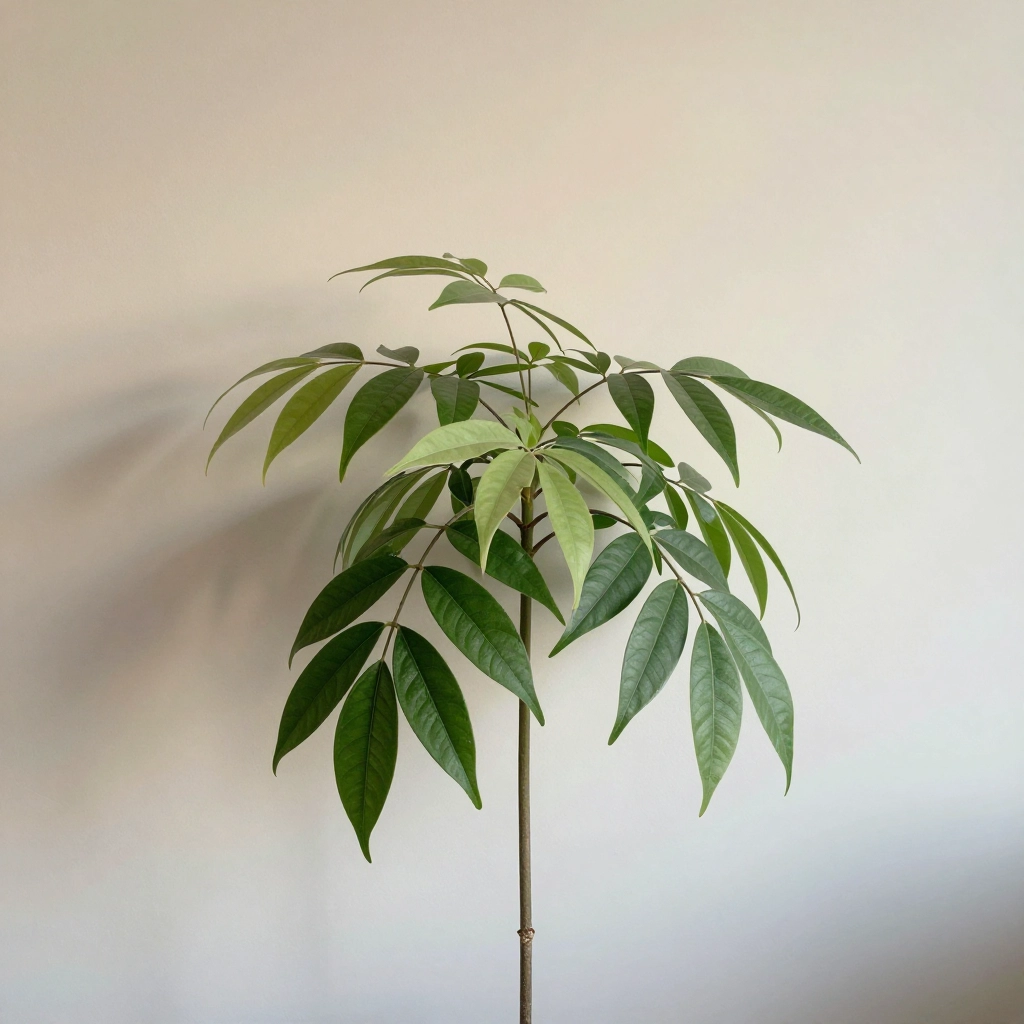
- Pale or yellowing leaves
- Long, stretched stems (leggy growth)
- Small or sparse new leaves
- Slow or completely stalled growth
- Leaves dropping from the lower part of the plant
👉 Yellow Leaves on Plants: Causes and Solutions
Why Low Light Plants Problems Happen Indoors
Indoor spaces block and reduce natural sunlight more than most people expect. Even bright rooms may deliver far less light than plants need.
Common causes include:
- Windows facing north
- Plants placed far from windows
- Heavy curtains or blinds
- Short daylight hours in winter
- Artificial lighting that is too weak
Consequently, many plants decline simply because their location is unsuitable.
👉How to Care for Indoor Plants in Winter
Plants Most Affected by Low Light
While some plants tolerate shade, others suffer quickly. Light-loving species such as succulents, herbs, and flowering plants are especially vulnerable.
On the other hand, plants labeled “low light” usually mean low light tolerant, not light independent. Even these plants still need indirect brightness to thrive.
How to Fix Low Light Problems in Indoor Plants
Thankfully, correcting low light stress is often straightforward.
First, move plants closer to windows without exposing them to harsh direct sun. Then, rotate plants weekly to ensure even light exposure.
Additionally, consider using grow lights if natural light is limited. Modern LED grow lights are energy-efficient and remarkably effective.
👉Slow Plant Growth: Common Reasons and Fixes
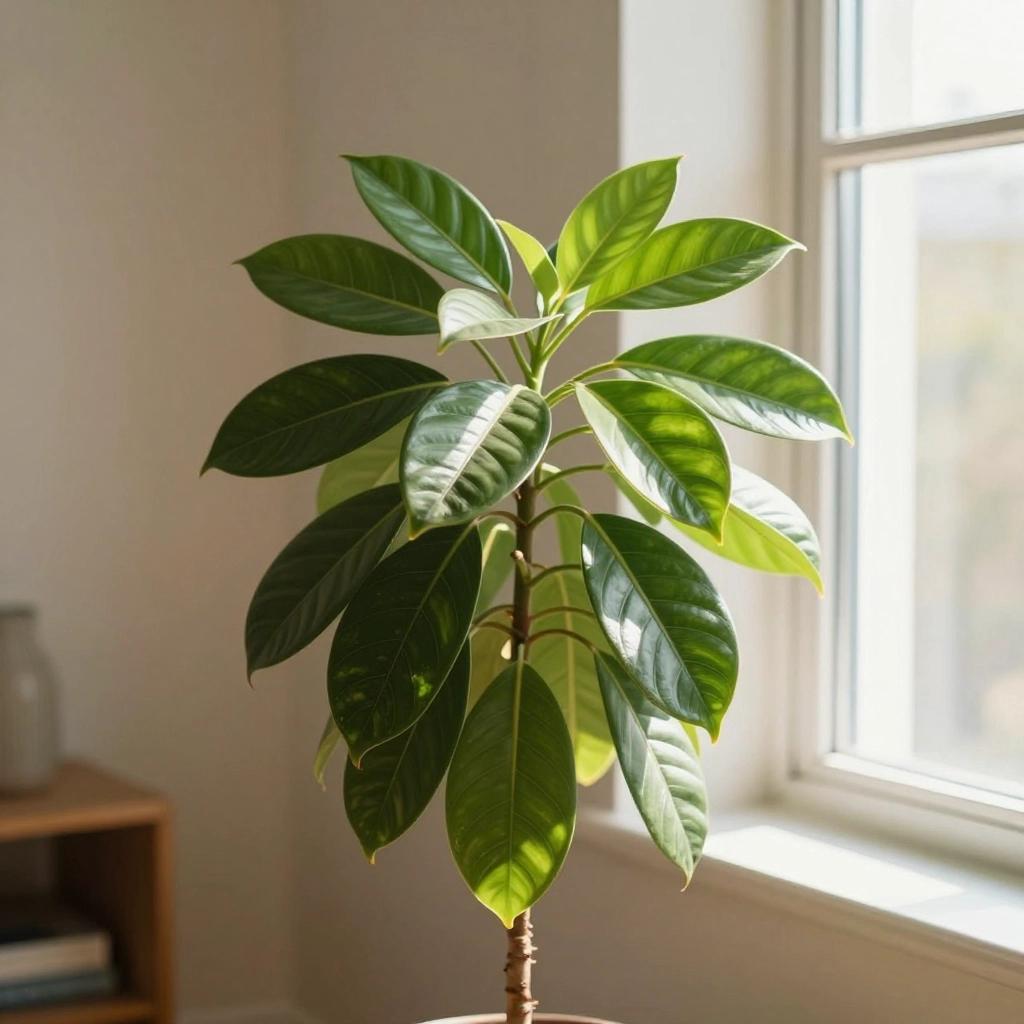
Avoiding Common Light-Related Mistakes
Although moving plants helps, sudden changes can shock them. Therefore, increase light exposure gradually.
Equally important, avoid assuming artificial room lighting is enough. Regular lamps rarely provide sufficient intensity for photosynthesis.
👉 Why Are Indoor Plants Dying? Common Mistakes
How Long Does Recovery Take?
Recovery depends on plant type and severity of stress. In mild cases, improvement appears within weeks. However, severely weakened plants may need months to regain strength.
During recovery, damaged leaves may not heal. Instead, focus on healthy new growth, which signals success.
Can Low Light Kill Indoor Plants?
Yes, prolonged low light conditions can eventually kill indoor plants. Without adequate energy, roots weaken and overall resilience collapses.
However, when addressed early, low light damage is completely reversible — a powerful reminder that placement matters more than most care routines.
👉 How to Revive a Dying Houseplant
Final Thoughts
Low light problems in indoor plants often go unnoticed until damage becomes discouraging. Nevertheless, with awareness and timely action, plants respond quickly and reward you with renewed vitality.
By adjusting light conditions thoughtfully, you create an environment where plants don’t just survive — they thrive.