
Long, thin stems. Sparse leaves. Weak, floppy growth. Leggy plants can look disappointing and fragile. Fortunately, you can fix this frustrating problem with the right strategy.
In this guide, you’ll learn exactly why plants become leggy and how to restore strong, compact, vibrant growth quickly.
What Are Leggy Plants?
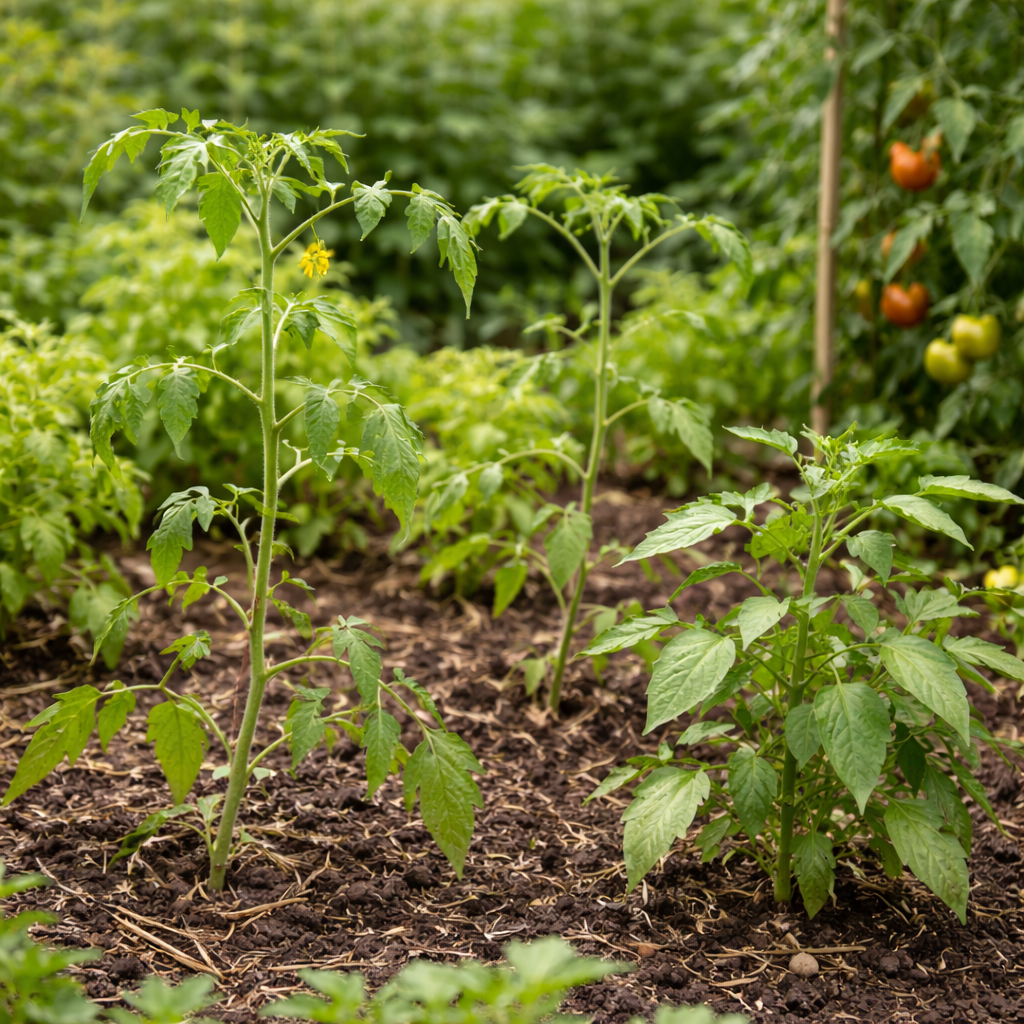
Leggy plants develop elongated, stretched stems with wide gaps between leaves. Instead of lush foliage, you get spindly growth reaching desperately toward light.
Most often, legginess is caused by environmental imbalance. However, several hidden factors may also contribute.
If your plant looks weak overall, you may also want to read:
1. Insufficient Light (The Main Culprit)
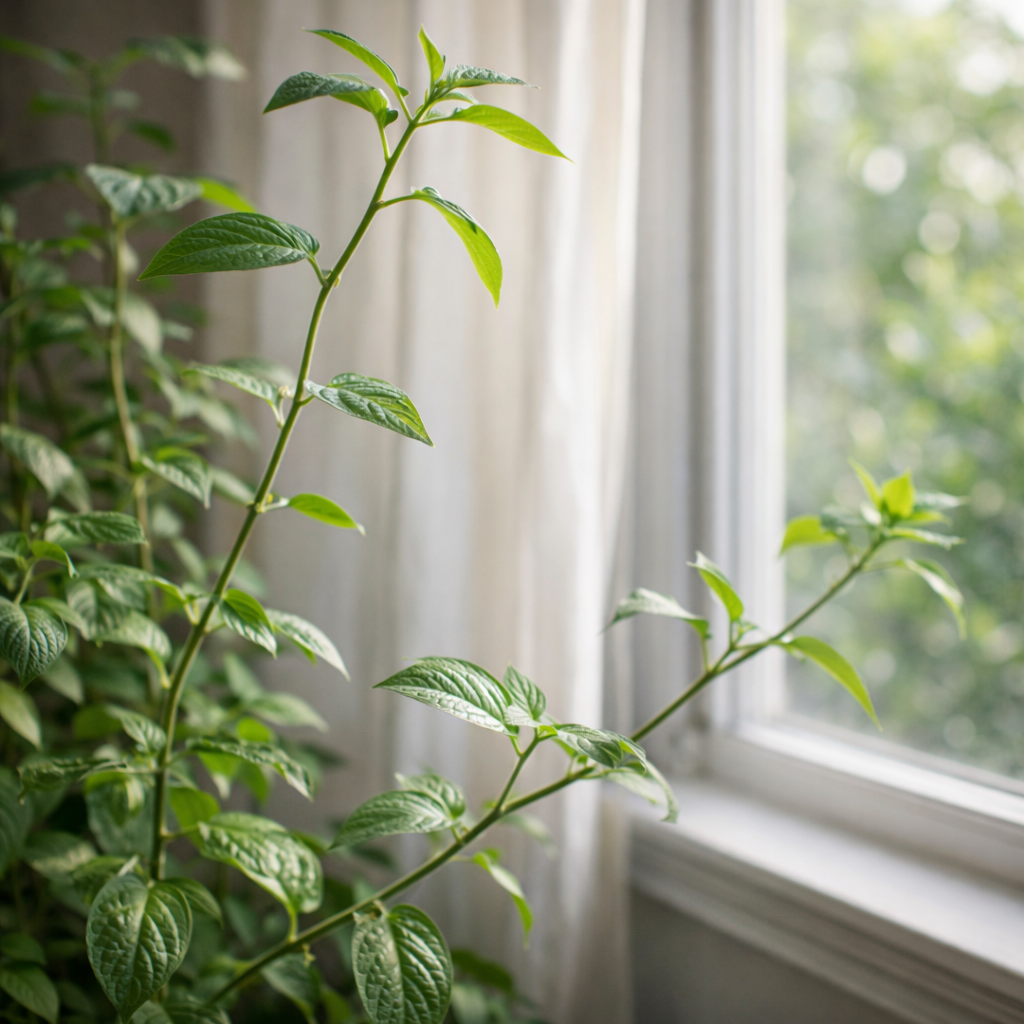
In most cases, inadequate light is the primary reason for leggy growth. When light levels are too low, plants stretch toward the nearest source. As a result, stems elongate rapidly while leaves remain small and sparse.
How to Fix It
- Move plants closer to a bright window
- Rotate pots weekly for even exposure
- Use grow lights during winter
Additionally, clean dusty leaves to improve photosynthesis efficiency. Even a thin layer of dust can reduce light absorption significantly.
For seasonal challenges, check:
2. Overcrowding and Poor Air Circulation
When plants grow too close together, they compete for light. Consequently, vertical stretching becomes exaggerated.
Crowded conditions also reduce airflow. Therefore, stems become weaker and more susceptible to fungal issues.
If you notice mold or stem problems, read:
What You Should Do
- Space plants properly
- Prune excess foliage
- Improve ventilation
Strategic pruning, in particular, stimulates bushier regrowth.
3. Too Much Nitrogen
Excess nitrogen encourages rapid green growth. However, it often produces soft, elongated stems instead of sturdy structure.
Balanced nutrition is essential for compact development.
If fertilization may be the issue, review:
- Nitrogen Deficiency in Plants: Symptoms and Fixes
- How to Use Fertilizers Correctly Without Harming Plants
- Signs of Nutrient Deficiency in Plants
Moderation is powerful. Feeding less frequently often results in stronger stems.
4. Incorrect Pruning (or No Pruning)
Without pruning, many plants grow upward rather than outward. Meanwhile, pinching encourages lateral branching and compact shape.

How to Prune for Compact Growth
- Pinch growing tips above a leaf node
- Use clean, sharp scissors
- Prune during active growth periods
After pruning, new shoots emerge below the cut. Consequently, the plant becomes fuller and more symmetrical.
5. Improper Watering
Water stress can indirectly contribute to leggy growth. Overwatering weakens root systems, while underwatering slows balanced development.
For watering guidance, see:
- Overwatering Plants: Signs, Effects, and Solutions
- Underwatering Plants: How to Tell and What to Do
- Best Watering Schedule for Houseplants
Consistent moisture levels promote sturdy stems and resilient foliage.
6. Choose the Right Soil
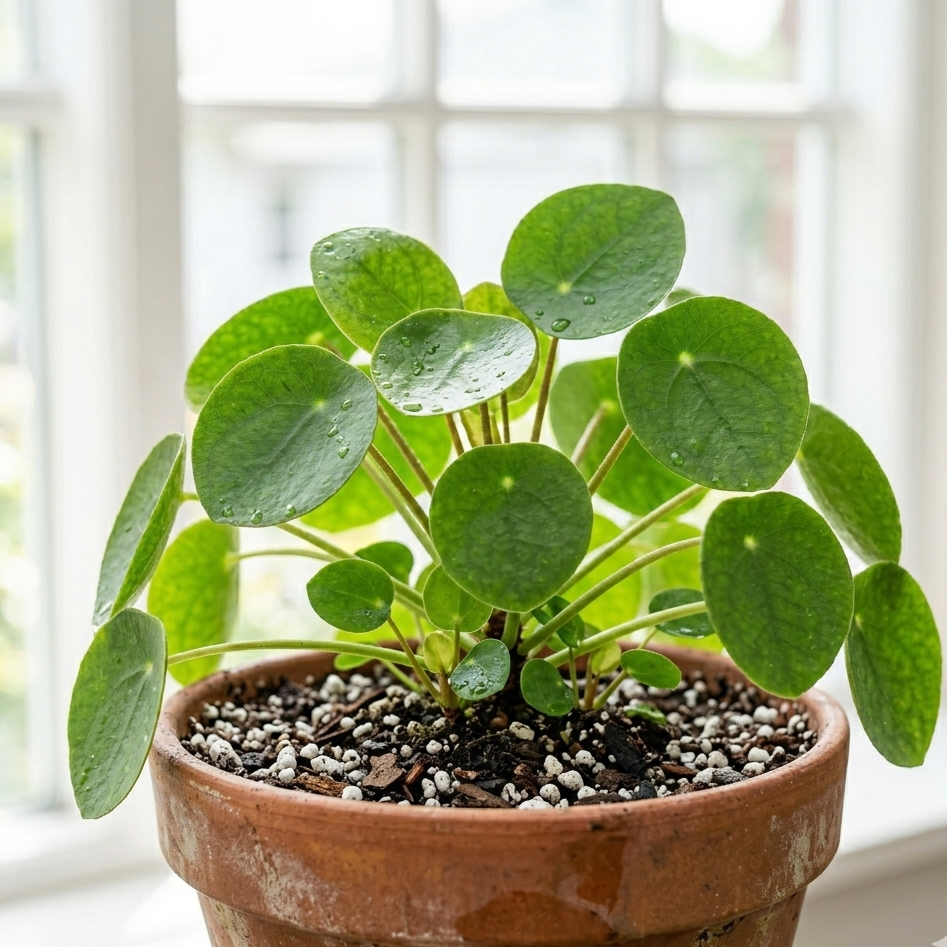
Poor soil structure restricts root expansion. Subsequently, plants struggle to anchor properly and may elongate excessively.
Healthy roots equal strong stems.
To optimize root health, read:
How to Prevent Leggy Growth in the Future
Prevention is far easier than correction.
- Provide adequate light year-round
- Rotate plants regularly
- Avoid excessive fertilization
- Prune consistently
- Monitor spacing
Regular observation is crucial. Early signs of stretching are much easier to correct than advanced legginess.
Final Thoughts
Leggy plants may look weak and disappointing. Nevertheless, the solution is often simple and surprisingly effective.
By adjusting light, pruning strategically, and optimizing nutrition, you can transform fragile growth into compact, thriving plants. Most importantly, act early and stay consistent.
Strong, bushy plants are absolutely achievable. With a few powerful adjustments, your indoor jungle can look lush, balanced, and beautifully resilient again. 🌿