What Is Leaf Spot Disease?
Leaf spot disease is a common yet alarming plant problem that causes dark, damaged patches on leaves. Although it often looks harmless at first, it can quickly weaken plants, slow growth, and reduce flowering or harvest quality.
In many cases, gardeners overlook early warning signs. As a result, the disease spreads fast, especially in warm and humid conditions. Fortunately, with early action and smart care, most plants can recover fully.
What Causes Leaf Spot Disease?
Leaf spot disease can develop for several reasons. However, moisture and poor airflow are almost always involved.
1. Fungal infections
Most cases are caused by fungi such as Alternaria or Septoria. These organisms thrive when leaves stay wet for too long. Consequently, overhead watering often triggers outbreaks.
2. Bacterial pathogens
In some situations, bacteria enter through tiny wounds on leaves. Once inside, they multiply rapidly, especially during rainy weather.
3. Excess humidity and poor air circulation
Plants grown too close together dry slowly. Because of this, spores remain active and spread from leaf to leaf.
4. Contaminated soil and tools
Old soil, dirty pots, and unclean pruning tools can silently carry pathogens. Over time, repeated exposure increases infection risk.
Common Symptoms to Watch For
Recognizing symptoms early is crucial and empowering. Thankfully, leaf spot disease has clear visual signs.
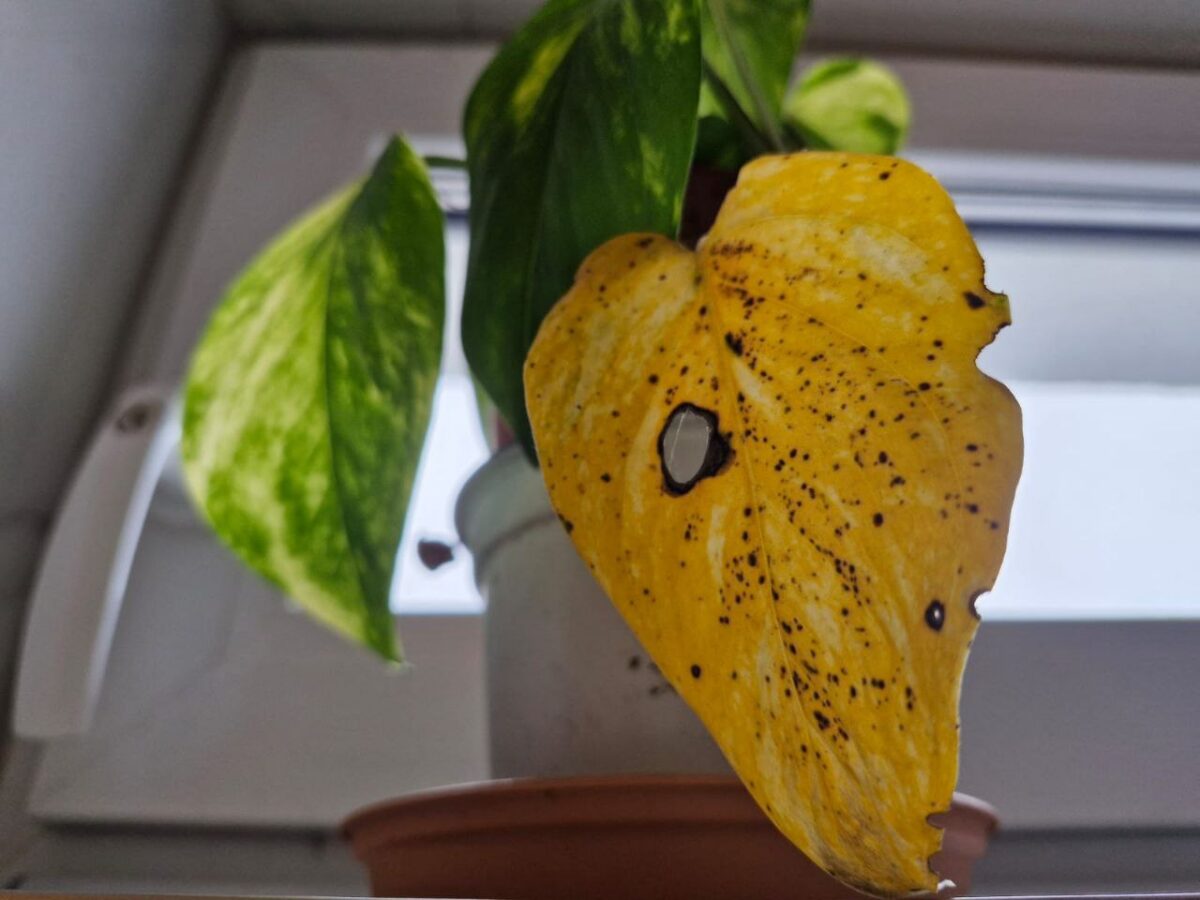
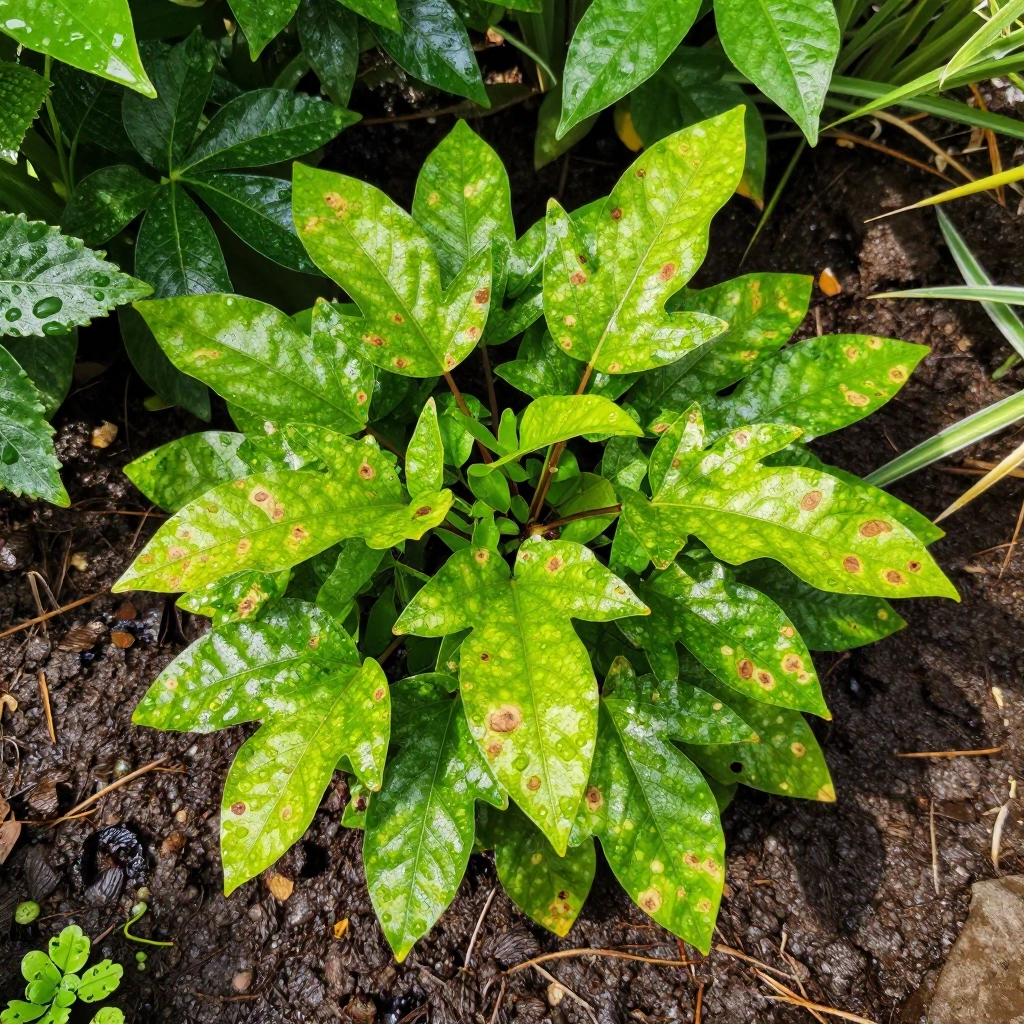
- Small brown, black, or yellow spots on leaves
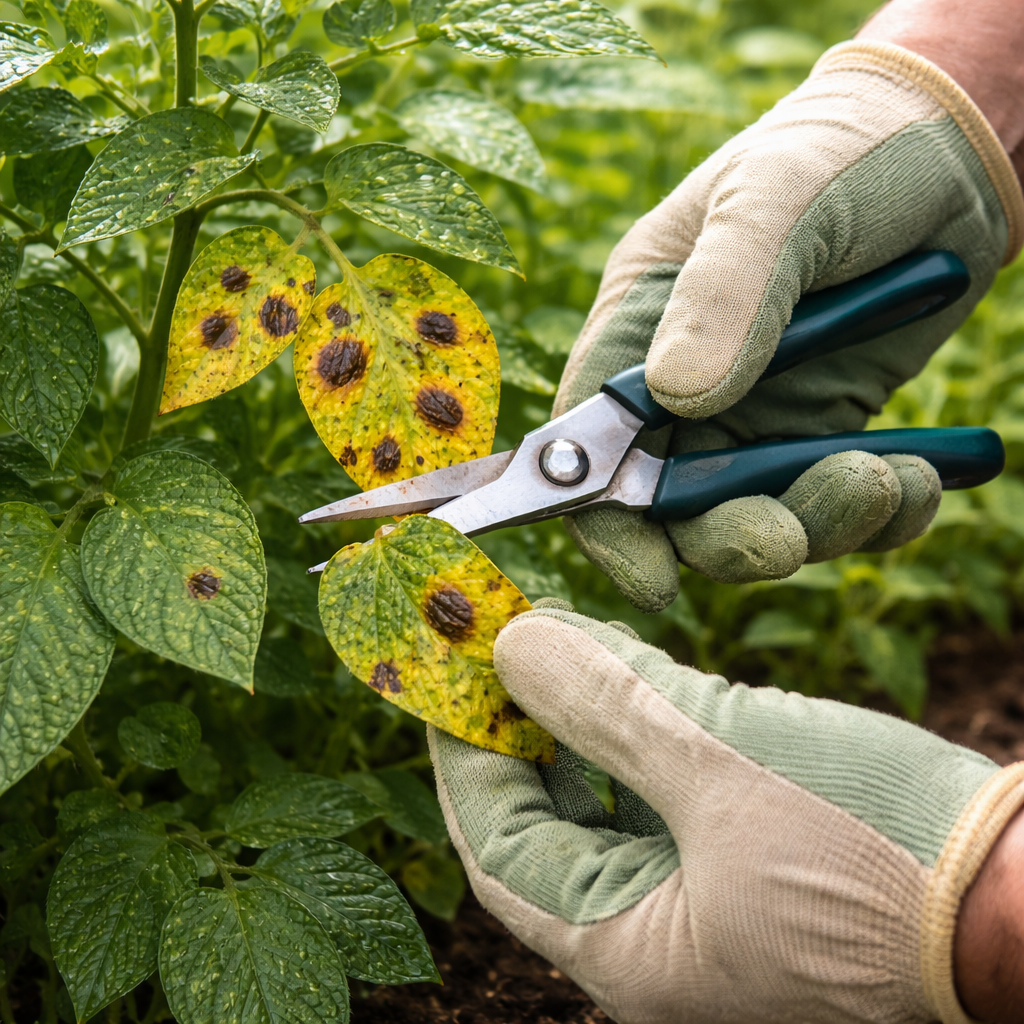
- Circular or irregular lesions with dark edges
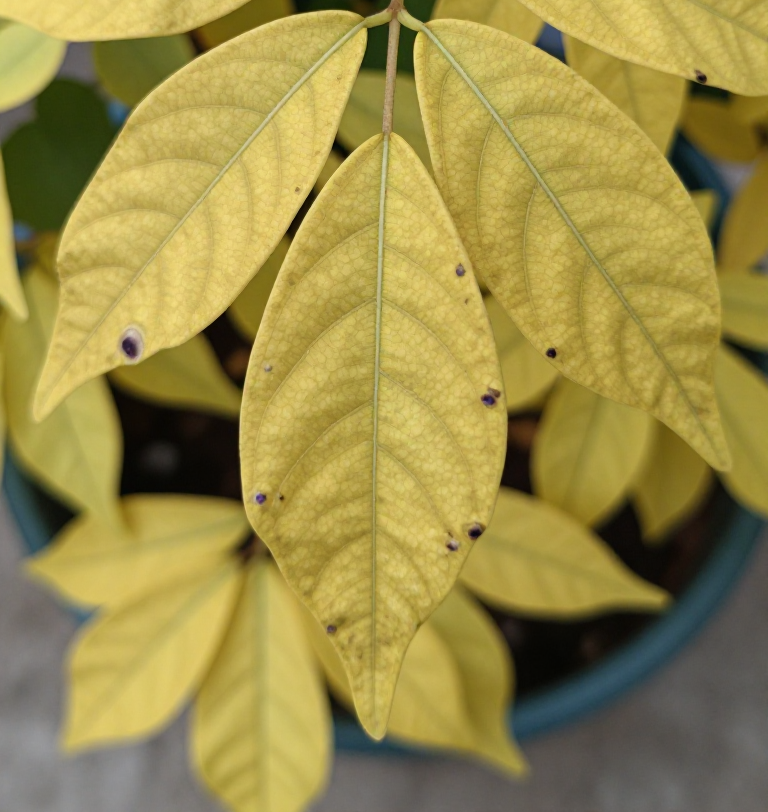
- Yellowing around affected areas
- Leaves dropping prematurely
- Slowed plant growth over time
Eventually, severe infections cause leaves to dry out and fall off. At that stage, recovery becomes more difficult.
👉 If your plant leaves are also turning yellow, see Yellow Leaves on Plants: Causes and Solutions for related issues.
How Leaf Spot Disease Spreads
Understanding spread patterns helps prevent future outbreaks.
Spores move through:
- Water splashes from rain or watering
- Wind in outdoor gardens
- Hands, gloves, or tools touching infected plants
Therefore, even healthy plants nearby can become infected surprisingly fast.
How to Fix Leaf Spot Disease Step by Step
The good news? Leaf spot disease is manageable and reversible when treated early.
Step 1: Remove infected leaves
First, trim affected leaves using clean, sharp scissors. Always dispose of them in the trash — never compost them.
Step 2: Improve watering habits
Water plants at soil level instead of overhead. This simple change dramatically reduces fungal spread.
For guidance, read How Often Should You Water Indoor Plants?
Step 3: Increase air circulation
Space plants properly. Additionally, prune dense growth to allow faster drying after watering.
Step 4: Use natural or mild treatments
- Neem oil spray
- Baking soda solution (for fungal cases)
- Copper-based fungicide if infection persists
Avoid overusing treatments, as stressed plants need gentle care.
Preventing Leaf Spot Disease Long-Term
Prevention is powerful and reassuring, especially for busy gardeners.
- Water early in the day
- Keep leaves dry whenever possible
- Clean pots and tools regularly
- Use well-draining soil
If mold appears on soil, check How to Treat Mold on Soil and Plant Stems for additional help.
Does Leaf Spot Disease Kill Plants?
In most cases, no. However, untreated infections weaken plants over time. Eventually, this stress makes them vulnerable to pests and other diseases.
If your plant looks beyond saving, see How to Revive a Dying Houseplant for recovery tips.
Final Thoughts
Leaf spot disease may look frightening, but it is far from a death sentence. With prompt action, smart watering, and good hygiene, your plants can bounce back stronger than ever.
By staying observant and proactive, you protect not only one plant — but your entire garden ecosystem 🌱