
Powdery mildew on plants is a common fungal disease that affects both indoor and outdoor plants. This white powder on plant leaves can spread quickly if ignored. Fortunately, early powdery mildew identification and proper powdery mildew treatment can stop the infection and restore plant health. In this guide, you’ll learn proven ways to treat powdery mildew and prevent it from coming back.

What Is Powdery Mildew on Plants?
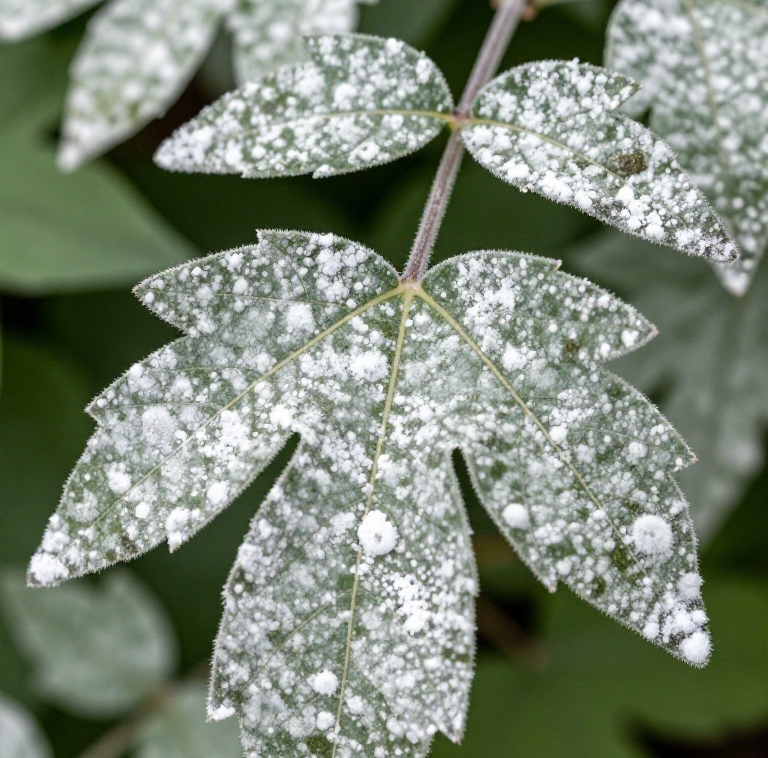
Powdery mildew on plants is a fungal infection that creates a white or gray powder-like coating on leaves, stems, and flowers. Unlike many plant diseases, it does not require wet leaves to spread.
As a result, gardeners often miss the early warning signs. Therefore, understanding how it develops is key to effective control.
Powdery Mildew Identification: Early Warning Signs
Early powdery mildew identification helps protect plants from permanent damage. Watch for these symptoms:
- white powder on plant leaves
- curled or distorted foliage
- slowed plant growth
- yellowing leaves
- premature bud or flower drop
However, not every white residue is a fungus. If the powdery coating spreads and returns after cleaning, it is likely powdery mildew.
👉 Leaf Spot Disease: What Causes It and How to Fix It
What Causes Powdery Mildew on Plants?
Powdery mildew develops when plants are under stress. Common causes include:
- poor air circulation
- high humidity at night
- temperature fluctuations
- excess nitrogen fertilizer
- low light conditions
Because of these factors, weakened plants are more susceptible to infection.
How to Treat Powdery Mildew on Plants
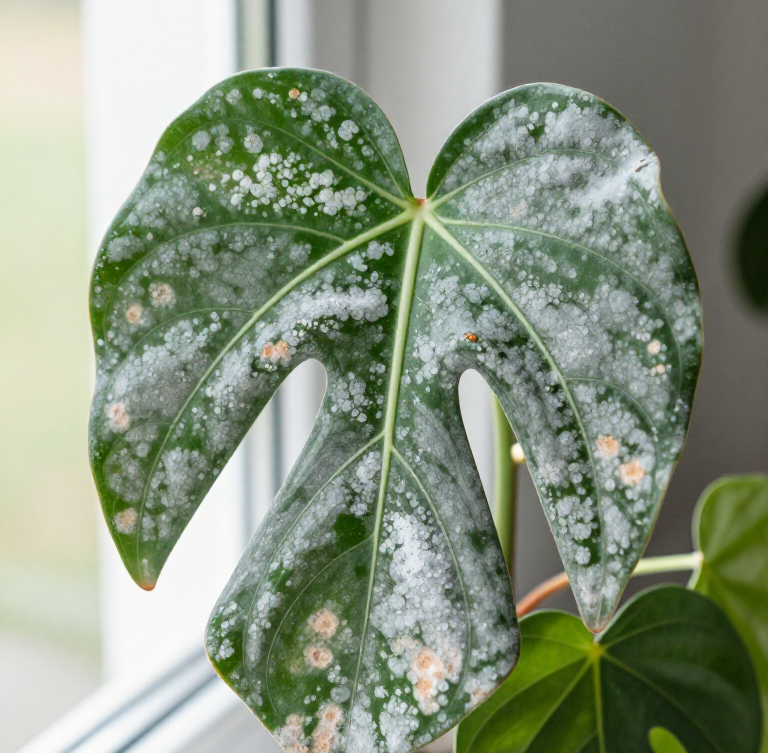
Once detected, powdery mildew treatment should begin immediately. The following methods are safe, effective, and AdSense-friendly.
1. Prune Affected Areas
First, remove infected leaves and stems. Then discard them away from healthy plants.
2. Improve Growing Conditions
Next, increase airflow and space between plants. In addition, move plants to brighter locations if needed.
3. Try Natural Treatments
For mild cases, these options work well:
- baking soda spray
- diluted milk solution (1:9)
- neem oil
These methods are commonly used in home gardening and safe when applied correctly.
4. Use Fungicides as a Last Resort
If the infection persists, apply a labeled fungicide. Always follow manufacturer instructions to avoid plant damage.
👉 Fungal Diseases in Garden Plants and How to Prevent Them
How to Prevent Powdery Mildew from Returning
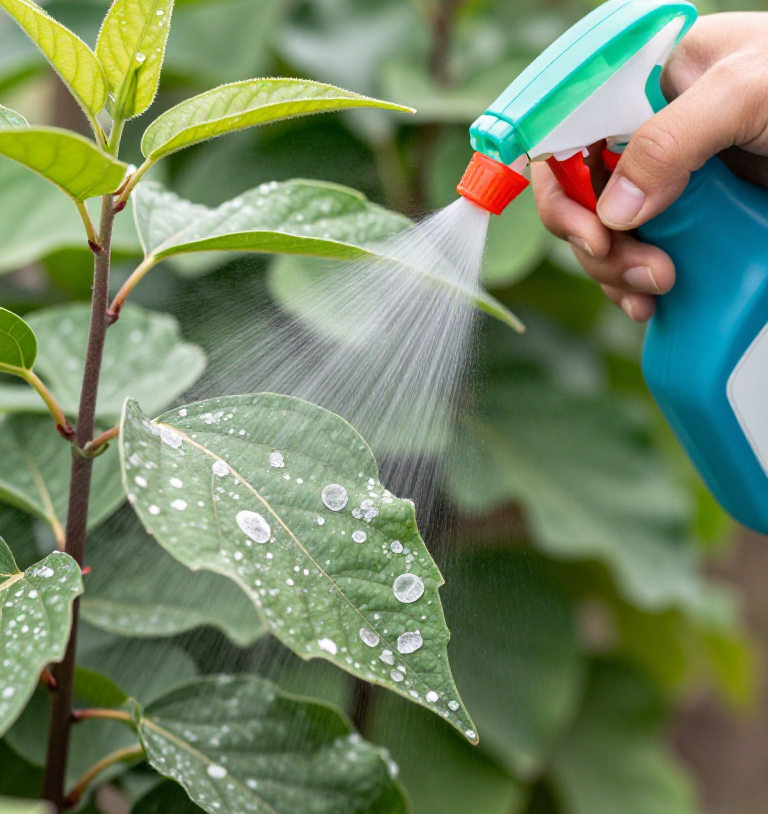
Preventing powdery mildew on plants is easier than treating it repeatedly. Follow these tips:
- maintain good air circulation
- water plants in the morning
- avoid over-fertilizing
- inspect leaves weekly
- provide adequate sunlight
Most importantly, healthy plants resist fungal diseases better.
👉 How to Use Fertilizers Correctly Without Harming Plants
Powdery Mildew on Indoor vs Outdoor Plants
Powdery mildew affects plants differently depending on their environment.
Indoor plants often suffer due to stagnant air and low light.
Outdoor plants are affected by temperature changes, dew, and overcrowding.
Because of this, care routines should match the growing environment.
👉 Low Light Problems in Indoor Plants
Conclusion
Powdery mildew on plants can be frustrating, but it is manageable. With early powdery mildew identification and the right powdery mildew treatment, plants usually recover quickly. Consistent care and prevention will keep your plants healthy year-round.