
Overwatering plants is one of the most common plant care mistakes.
However, many plant owners do not notice the problem right away.
As a result, roots remain wet for too long.
Eventually, this causes stress, disease, and poor growth.
Fortunately, early action can still save your plant.
In this guide, you will learn how to recognize overwatering, understand its effects, and fix the problem correctly.
What Is Overwatering plants?
Overwatering happens when plants receive more water than they need.
Because of this, oxygen cannot reach the roots.
Without oxygen, roots weaken quickly.
Soon after, harmful fungi and bacteria begin to grow.
👉 This process often leads to Root Rot in Plants: Causes, Symptoms, and How to Save Your Plant.
Main Signs of Overwatering Plants
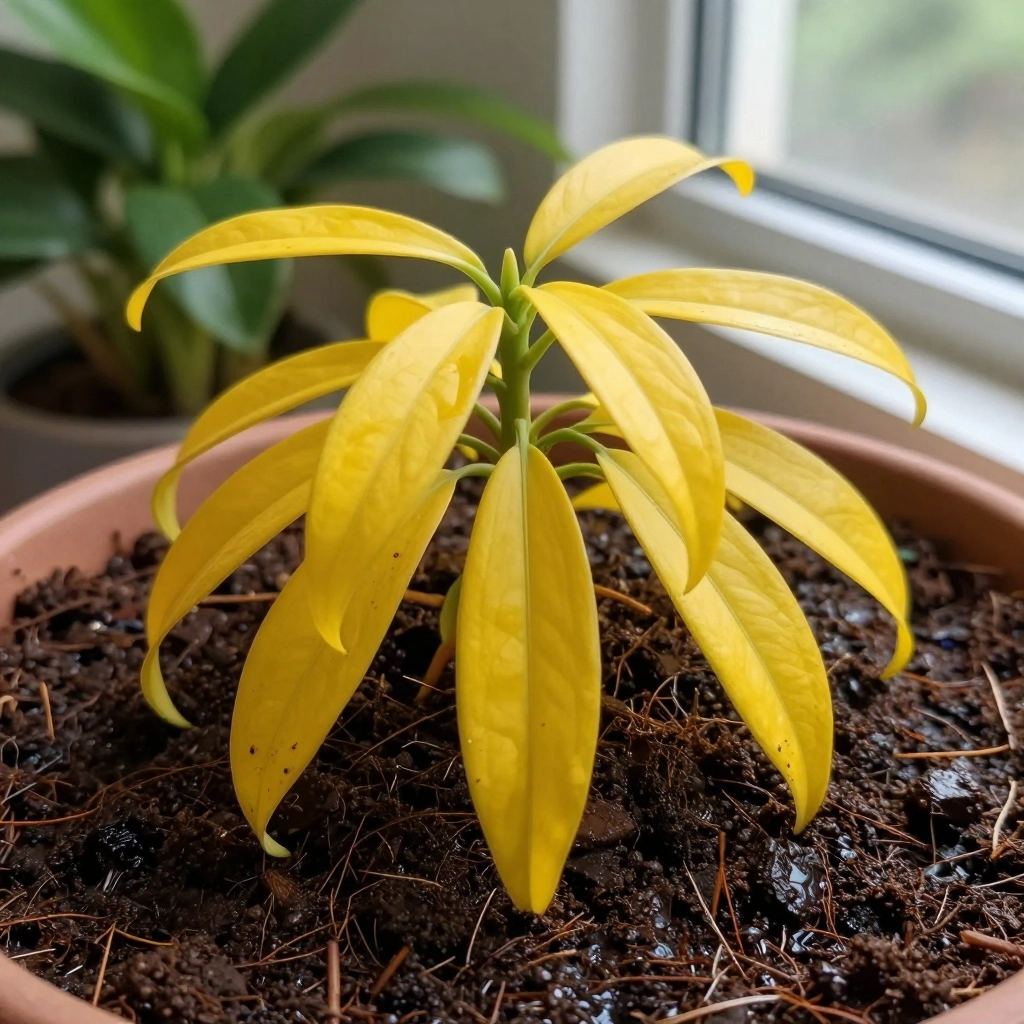
Overwatering symptoms can be misleading.
Therefore, many people confuse them with underwatering.
Look for these warning signs:
- Yellow or pale leaves
- Soft or limp stems
- Wilting even when soil is wet
- Slow or stunted growth
- Mold on the soil surface
In addition, wet soil may smell musty.
👉 Yellow foliage may also be explained in Yellow Leaves on Plants: Causes and Solutions.
Houseplant with wet soil surface
Effects of Overwatering on Plants
Over time, excess water damages the roots.
As a result, root rot may develop.
Because roots are damaged, nutrient absorption stops.
Therefore, growth slows down significantly.
👉 Learn more about fungal issues in Fungal Diseases in Garden Plants and How to Prevent Them.
How to Fix Overwatering Plants
Although overwatering is serious, it is fixable.
Follow these steps carefully.
Step 1: Stop Watering Immediately
First, stop watering the plant.
Allow the top soil to dry before checking again.
👉 If the plant still wilts, read Why Are My Plant Leaves Wilting Even After Watering?.
Step 2: Check Drainage
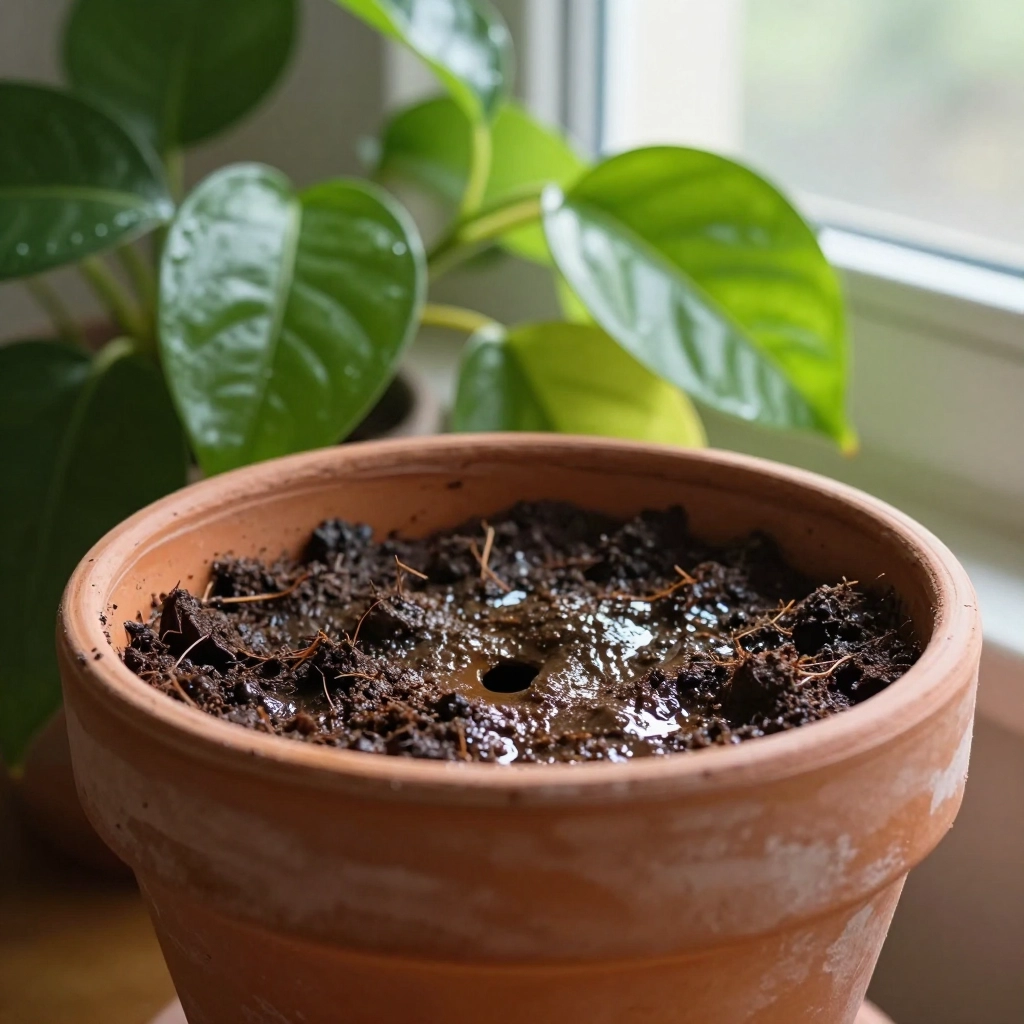
Next, inspect the pot carefully.
If water cannot escape, roots will suffer.
Always use pots with drainage holes.
👉 Drainage problems are also discussed in Best Soil for Healthy Plant Growth.
Plant pot without drainage holes
Step 3: Improve Soil Quality
Heavy soil retains too much water.
Because of this, roots stay wet longer.
Use light, well-draining soil instead.
For example, add perlite or sand.
👉 Soil improvement tips are covered in [How to Improve Poor Garden Soil Naturally].
Step 4: Repot If Necessary
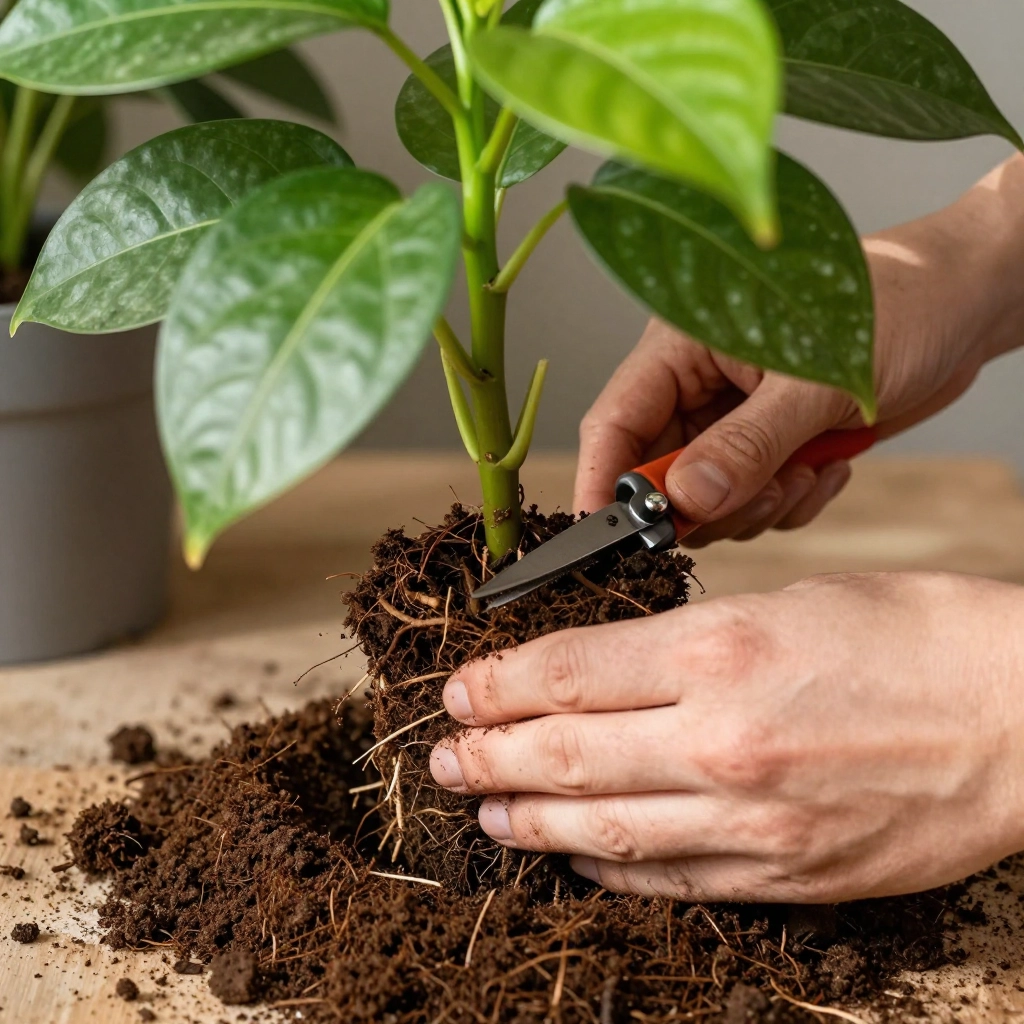
If roots are damaged, repot the plant.
Remove soggy soil and trim rotten roots.
After that, use fresh soil and a clean pot.
👉 Severe cases may relate to How to Revive a Dying Houseplant.
repotting a houseplant
How to Prevent Overwatering in the Future
Prevention is always easier than treatment.
Fortunately, simple habits make a big difference.
- Water only when the top soil feels dry
- Use pots with drainage holes
- Empty saucers after watering
- Reduce watering during colder months
👉 Seasonal care is explained in How to Care for Indoor Plants in Winter.
Final Thoughts
Overwatering is a common but dangerous mistake.
However, it is easy to prevent.
By improving drainage and watering correctly, plants stay healthy.
As a result, they grow stronger and live longer.