Water indoor plants correctly, and they thrive; water them incorrectly, and problems appear fast. However, many plant owners still rely on fixed schedules, which often causes stress and damage. Instead of guessing, understanding how often indoor plants truly need water can save time, prevent frustration, and protect your plants from silent decline. Fortunately, with a few clear rules, watering becomes simple and reliable.
Why There Is No Single Watering Schedule
Although watering once a week sounds convenient, indoor plants rarely follow identical needs. For example, light exposure, pot size, soil type, and even room temperature influence water consumption. As a result, copying someone else’s routine usually leads to overwatering or underwatering.
👉 Overwatering Plants: Signs, Effects, and Solutions
👉 Underwatering Plants: How to Tell and What to Do
How Light Affects Watering Frequency
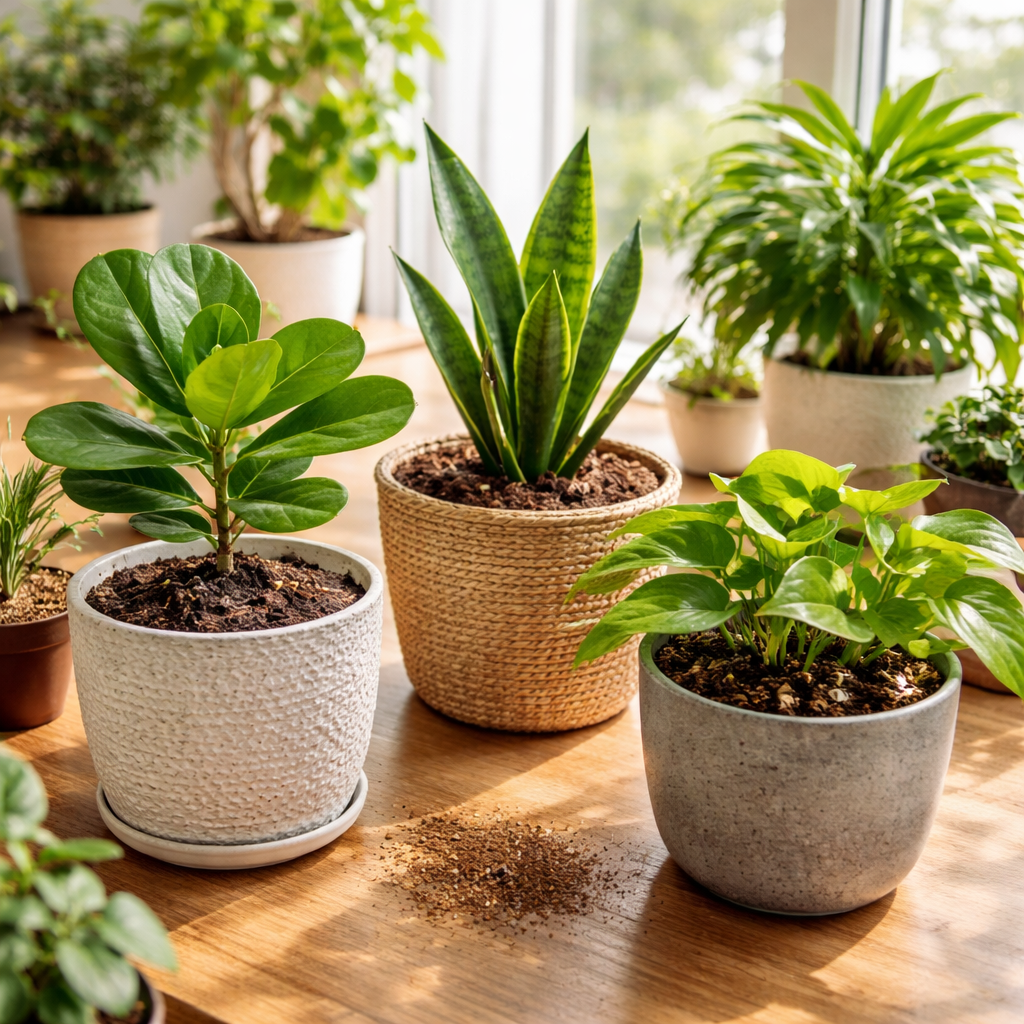
Plants in bright light use water much faster than those in shade. Therefore, a plant near a sunny window may need watering twice as often as the same plant placed farther away. Meanwhile, low-light conditions slow evaporation, increasing the risk of soggy soil.
👉 Low Light Problems in Indoor Plants
How Soil and Pots Change Everything
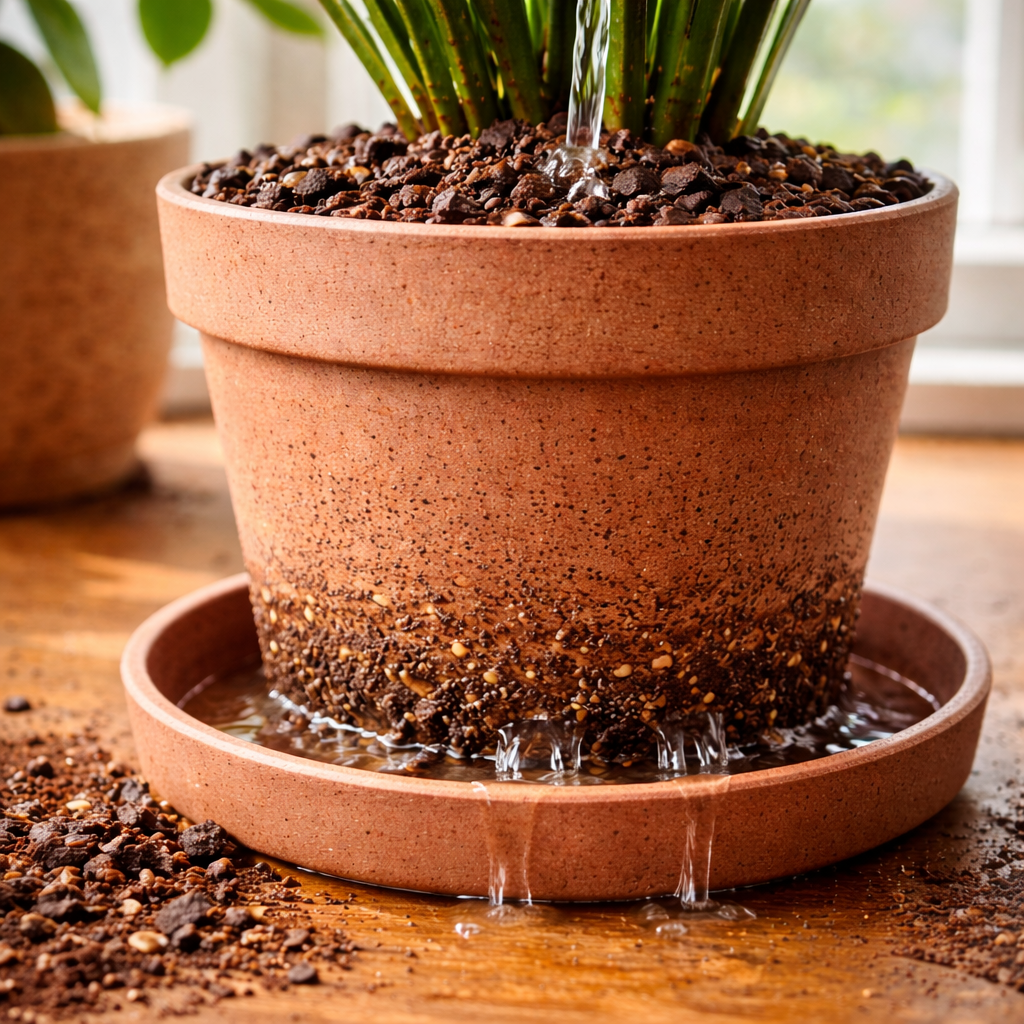
Soil structure plays a decisive role. While airy, well-draining mixes dry evenly, dense soil retains moisture longer. Similarly, pots without drainage trap excess water, which can suffocate roots. Consequently, choosing proper containers is just as important as the watering itself.
👉 Best Soil for Healthy Plant Growth
Seasonal Changes You Must Not Ignore
During spring and summer, plants actively grow and require more frequent watering. In contrast, winter slows growth dramatically. Therefore, watering habits that work in summer often cause root rot in colder months.
👉 How to Care for Indoor Plants in Winter
The Finger Test (Simple but Powerful)
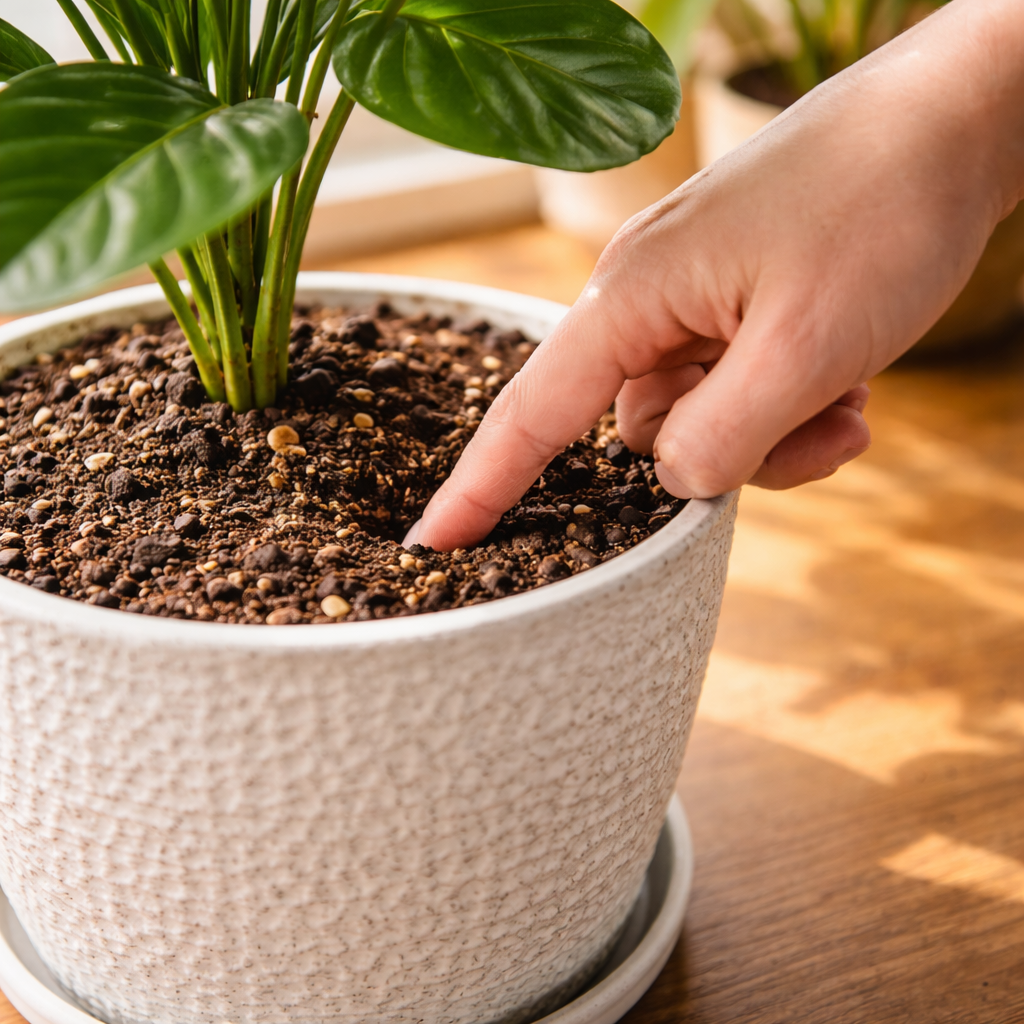
Instead of following the calendar, test the soil directly. Insert your finger about 5 cm into the soil. If it feels dry, watering is usually safe. On the other hand, if it feels damp, waiting a few more days prevents damage. This powerful habit alone prevents most watering mistakes.
Signs You Are Watering Too Often
Excess water rarely shows immediately. However, yellow leaves, moldy soil, and wilting despite wet soil are warning signs. Once these symptoms appear, damage may already be underway.
👉 Why Are My Plant Leaves Wilting Even After Watering?
👉 Mold in Indoor Plant Pots: Causes and Prevention
Signs You Are Not Watering Enough
Conversely, dry soil causes brown leaf edges, curling leaves, and slow growth. While underwatering is easier to fix, repeated stress weakens plants over time.
👉 Brown Tips on Leaves: What They Mean
👉 Why Are My Plant Leaves Curling?
Final Thoughts
Watering indoor plants does not require perfection—only attention. By observing soil, light, and seasonal changes, you gain confidence and control. Ultimately, plants respond quickly to correct care, rewarding you with lush growth and long-term health. Once watering becomes intuitive, indoor gardening turns from stressful to deeply satisfying.