
Poor garden soil can feel frustrating, exhausting, and discouraging. Plants struggle, harvests disappoint, and every season feels like a battle. However, soil problems are not permanent. With the right natural approach, even tired, compacted ground can become rich, fertile, and full of life again.
In this guide, you will learn how to improve poor garden soil naturally, without chemicals, expensive products, or risky shortcuts.
Why Poor Soil Happens
Garden soil rarely becomes poor overnight. Instead, it degrades slowly due to repeated stress.
Common causes include:
- Overuse of chemical fertilizers
- Constant digging and tilling
- Lack of organic matter
- Poor drainage or compaction
- Nutrient depletion
👉 If plants already look weak, read:
Signs of Nutrient Deficiency in Plants
Identify Your Soil Problem First
Before fixing soil, you must understand it. Otherwise, even good intentions may fail.
Signs of poor soil:
- Hard, compacted surface
- Water pooling after rain
- Pale or stunted plants
- Soil that dries too fast or stays soggy
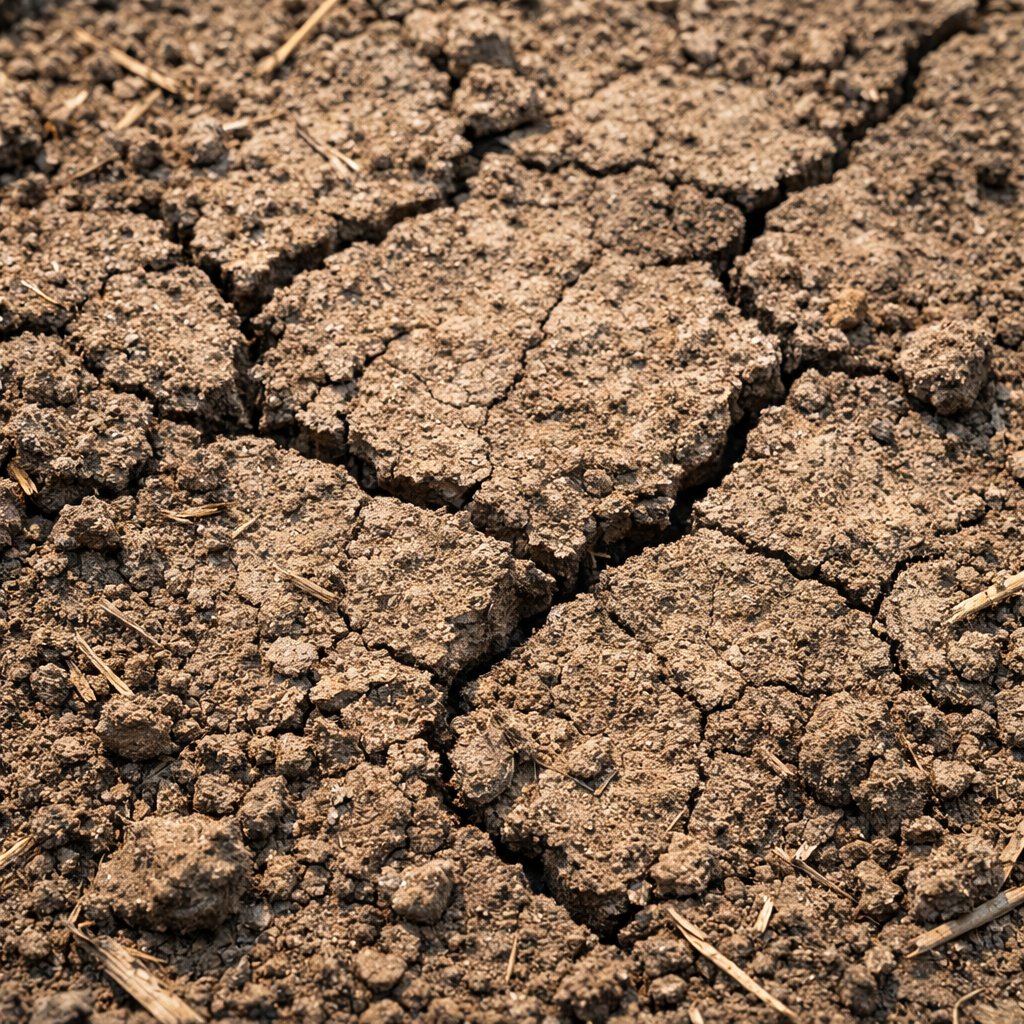
Add Organic Matter (The Most Powerful Step)
Organic matter is the single most powerful way to transform poor soil. It improves structure, fertility, and microbial life at the same time.
Best natural options:
- Compost
- Aged manure
- Leaf mold
- Grass clippings (thin layers)
As a result, soil becomes loose, dark, and alive.
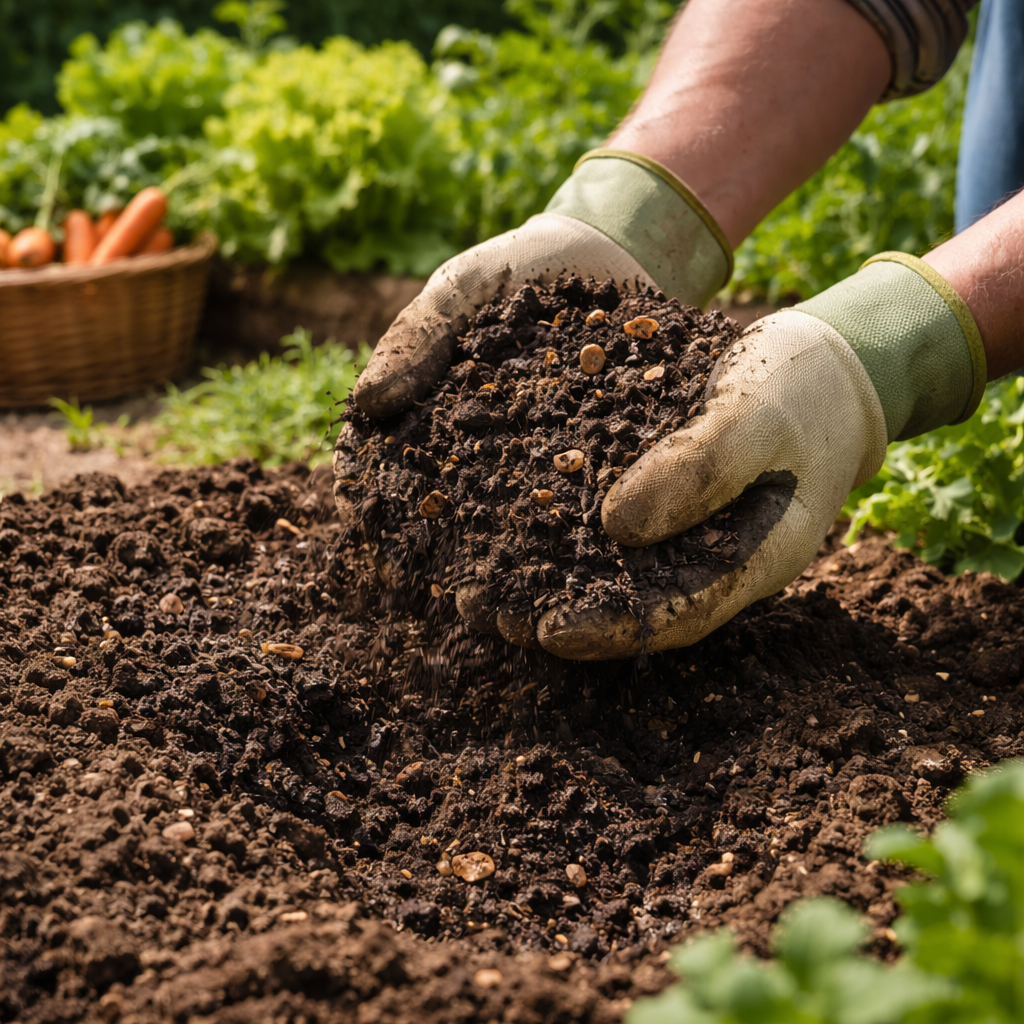
Use Compost the Right Way
Many gardeners add compost incorrectly. Instead of digging deeply, follow this method:
- Spread 3–5 cm of compost on the surface
- Gently mix into the top layer
- Let worms and microbes finish the work
This method protects soil structure and prevents erosion.
👉 Learn more about soil basics:
Best Soil for Healthy Plant Growth
Improve Drainage Without Chemicals
Poor drainage suffocates roots. Fortunately, natural solutions work better long-term.
Natural drainage fixes:
- Add coarse compost
- Mix in sand only if soil is clay-heavy
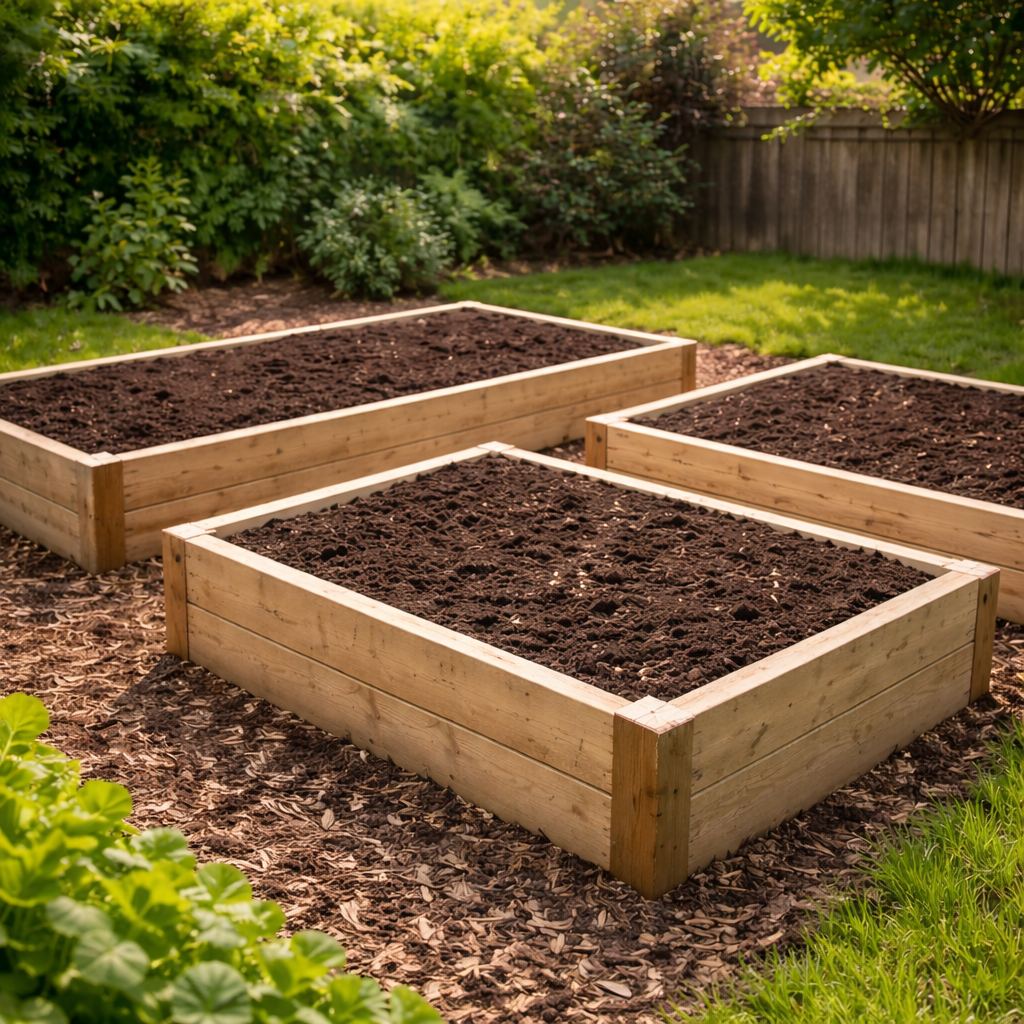
- Create raised beds
- Avoid walking on wet soil
Feed the Soil, Not the Plant
Healthy gardens focus on soil life. Instead of forcing growth, support microorganisms that feed plants naturally.
How to feed soil life:
- Mulch regularly
- Avoid synthetic fertilizers
- Rotate crops yearly
- Use cover crops
👉 Related reading:
How to Use Fertilizers Correctly Without Harming Plants
Mulching: The Silent Soil Healer
Mulch protects soil from heat, cold, and erosion. At the same time, it slowly turns into organic matter.
Best natural mulches:
- Straw
- Shredded leaves
- Bark chips
- Grass clippings (dry)
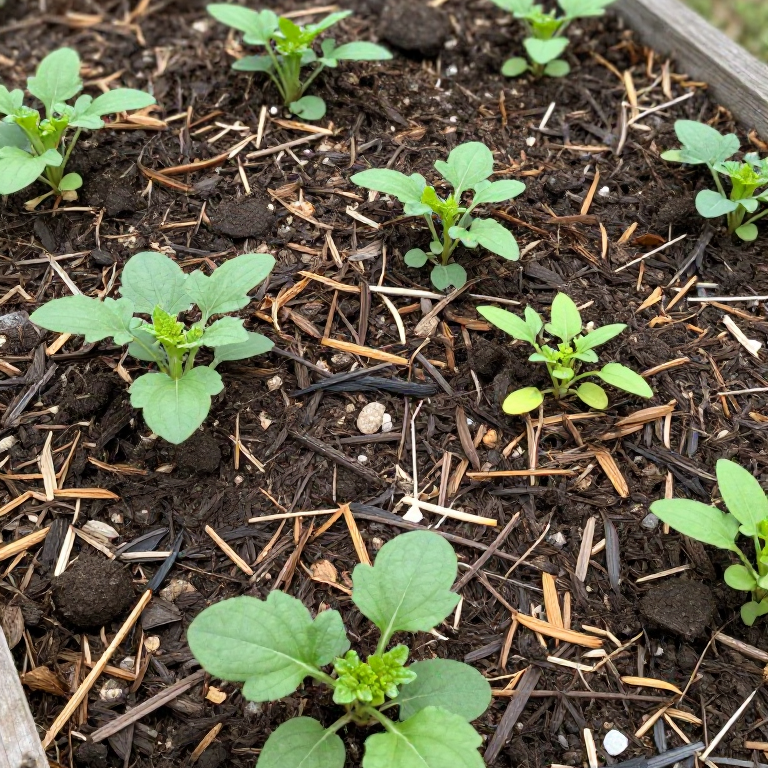
Fix Poor Soil Over Time (Not Overnight)
Soil improvement is a gradual, rewarding process. Although results may not be instant, every season gets better.
Timeline:
- 1 month → better moisture retention
- 1 season → improved plant growth
- 1 year → rich, fertile soil
👉 If plants are already weak, read:
Why Are Indoor Plants Dying? Common Mistakes
Mistakes to Avoid
Even natural methods can fail if done wrong.
Avoid:
- Adding fresh manure
- Over-tilling
- Using only sand
- Ignoring soil moisture
Instead, work gently and consistently.
Final Thoughts
Poor garden soil is not a failure — it is an opportunity. With patience and smart natural methods, you can rebuild soil that supports strong roots, lush growth, and abundant harvests.
🌱 Healthy soil is not bought — it is built.