Keeping houseplants alive should feel rewarding, not frustrating. Yet watering mistakes quietly sabotage even the most dedicated plant lovers. Fortunately, a smart watering schedule can transform dull, drooping foliage into lush, thriving greenery.
In this guide, you’ll discover the best watering schedule for houseplants, how often to water indoor plants, and how to adjust routines for different seasons. Moreover, you’ll learn how to prevent costly mistakes before they damage your plants.
Why a Fixed Schedule Doesn’t Always Work
Many beginners search for a strict “water once a week” rule. However, plants don’t follow calendars. Instead, they respond to light, temperature, humidity, pot size, and soil type.
For example, a plant in bright light dries out faster than one in a shaded corner. Similarly, terracotta pots lose moisture more quickly than plastic containers. Therefore, the best watering schedule is flexible and observation-based.
If you often notice limp stems or yellow leaves, you may also want to read:
- Overwatering Plants: Signs, Effects, and Solutions
- Underwatering Plants: How to Tell and What to Do
- Why Are My Plant Leaves Wilting Even After Watering?
These guides explain warning signs in more detail.
How Often Should You Water Houseplants?
Although every plant is unique, most indoor plants fall into three broad watering categories.
1. Plants That Prefer Consistently Moist Soil
Examples include peace lilies, ferns, and calatheas.
These plants dislike dry soil. Consequently, you should water them when the top 1–2 cm of soil feels dry. In most homes, this means watering every 4–7 days.
However, always check the soil before watering. Blindly following a schedule can quickly lead to root rot.
2. Plants That Prefer Soil to Dry Between Waterings
Many popular houseplants fall into this category, including pothos, philodendrons, and monsteras.
Typically, these plants need water every 7–10 days. Nevertheless, watering should happen only when the top 3–5 cm of soil feels dry.
If you notice persistent damp soil, consider reviewing your soil quality in Best Soil for Healthy Plant Growth.
3. Drought-Tolerant Plants (Succulents & Cacti)
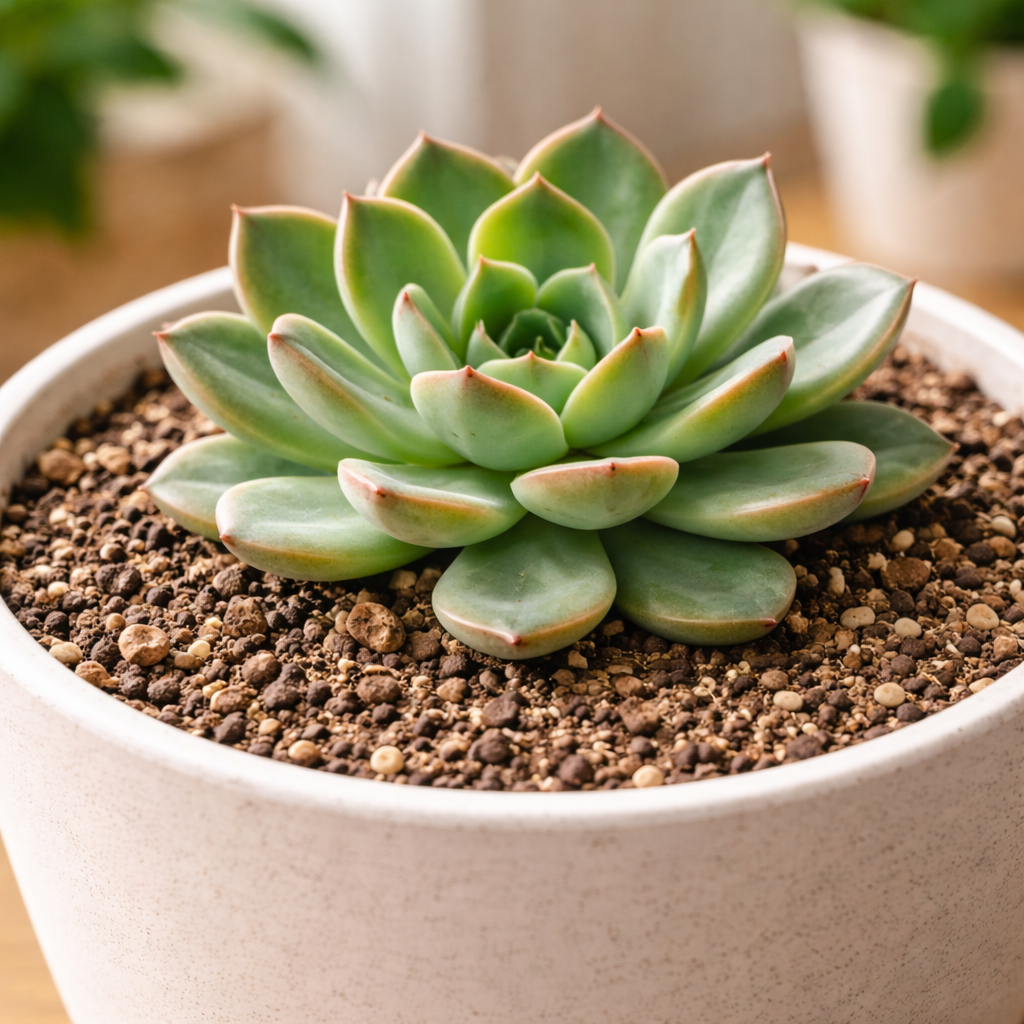
Succulents and cacti store water in their leaves and stems. As a result, they need far less frequent watering.
Usually, watering every 2–3 weeks is enough. During winter, intervals may extend to 3–4 weeks. Most importantly, allow the soil to dry completely before watering again.
Excess moisture is the fastest way to destroy these resilient plants.
Seasonal Watering Adjustments
Watering needs shift dramatically throughout the year.
Spring and Summer
During active growth, plants absorb more water. Therefore, you may need to water more frequently. Increased sunlight and warmth accelerate evaporation as well.
Autumn and Winter
In contrast, growth slows down in colder months. Consequently, plants require less water. Overwatering in winter is one of the most common and devastating mistakes.
For deeper guidance, read How to Care for Indoor Plants in Winter.
Signs Your Watering Schedule Is Wrong
Even with good intentions, problems can appear. Thankfully, plants communicate clearly.
- Yellow leaves often signal excess water.
- Crispy brown tips may indicate underwatering.
- Mushy stems suggest dangerous root rot.
- Slow growth can result from chronic moisture imbalance.
If fungal issues develop, check Root Rot in Plants: Causes, Symptoms, and How to Save Your Plant immediately. Acting quickly can save your plant’s life.
The Powerful Soil-Check Method
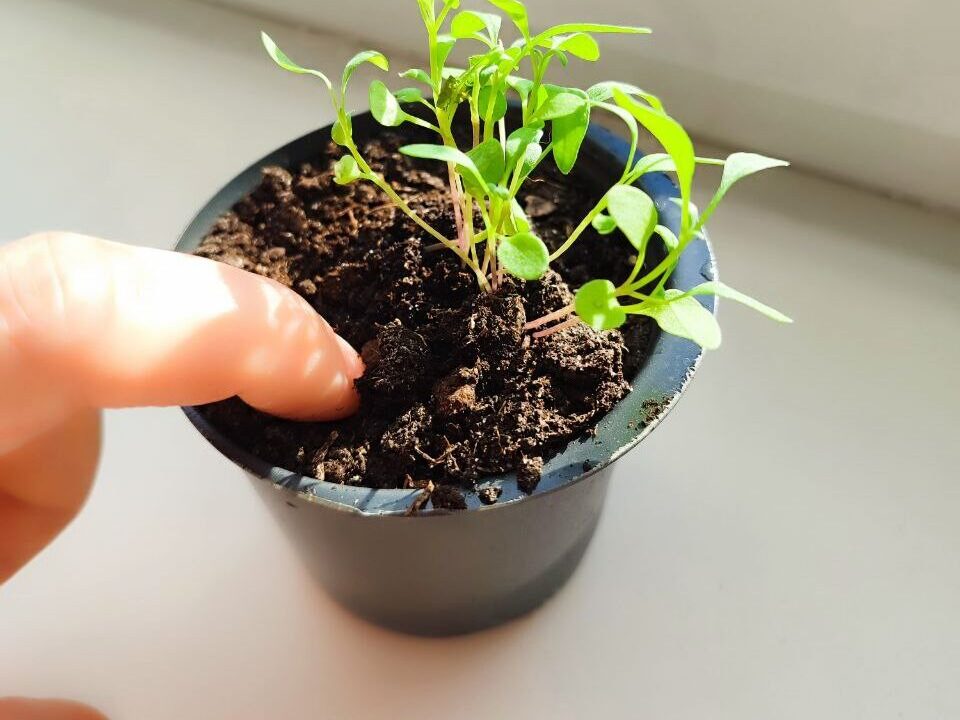
Instead of relying on fixed dates, use this simple but powerful technique:
- Insert your finger 2–5 cm into the soil.
- If it feels dry at that depth, water thoroughly.
- If it feels moist, wait a few days and check again.
Additionally, always ensure excess water drains from the bottom of the pot. Standing water suffocates roots and encourages mold.
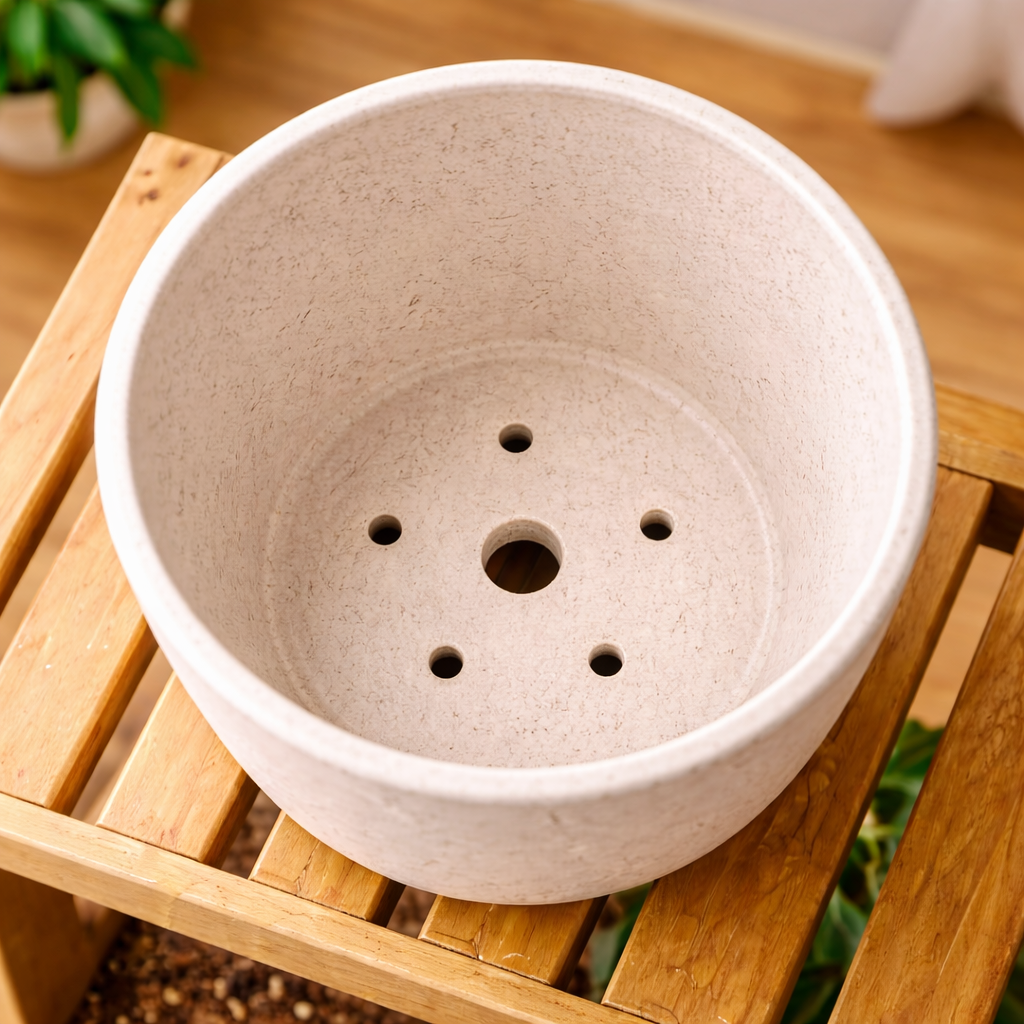
If drainage seems poor, improve aeration as described in How to Improve Poor Garden Soil Naturally.
Best Practices for a Healthy Watering Routine
To keep your indoor jungle vibrant and stress-free:
- Use pots with drainage holes.
- Adjust watering frequency based on light exposure.
- Reduce watering in winter.
- Avoid letting plants sit in saucers filled with water.
- Group plants with similar needs together.
Furthermore, consistency matters more than perfection. Regular observation builds confidence and prevents heartbreaking plant loss.
Final Thoughts
The best watering schedule for houseplants is not a rigid calendar. Instead, it’s a responsive system based on soil moisture, season, and plant type.
By learning to read subtle signals and adjusting accordingly, you’ll create a thriving indoor garden that feels energizing and deeply satisfying.
Healthy plants are not lucky accidents. They are the result of mindful care, smart routines, and small, consistent actions.