
Petunias are known for their vibrant, abundant flowers. However, many gardeners feel frustrated when their plants stop blooming or produce only a few flowers. Fortunately, with the right care, petunias can bloom continuously and look absolutely stunning.
If your petunias are not flowering as expected, the problem is usually related to light, watering, nutrients, or pruning. Therefore, identifying the issue early can dramatically increase blooming.
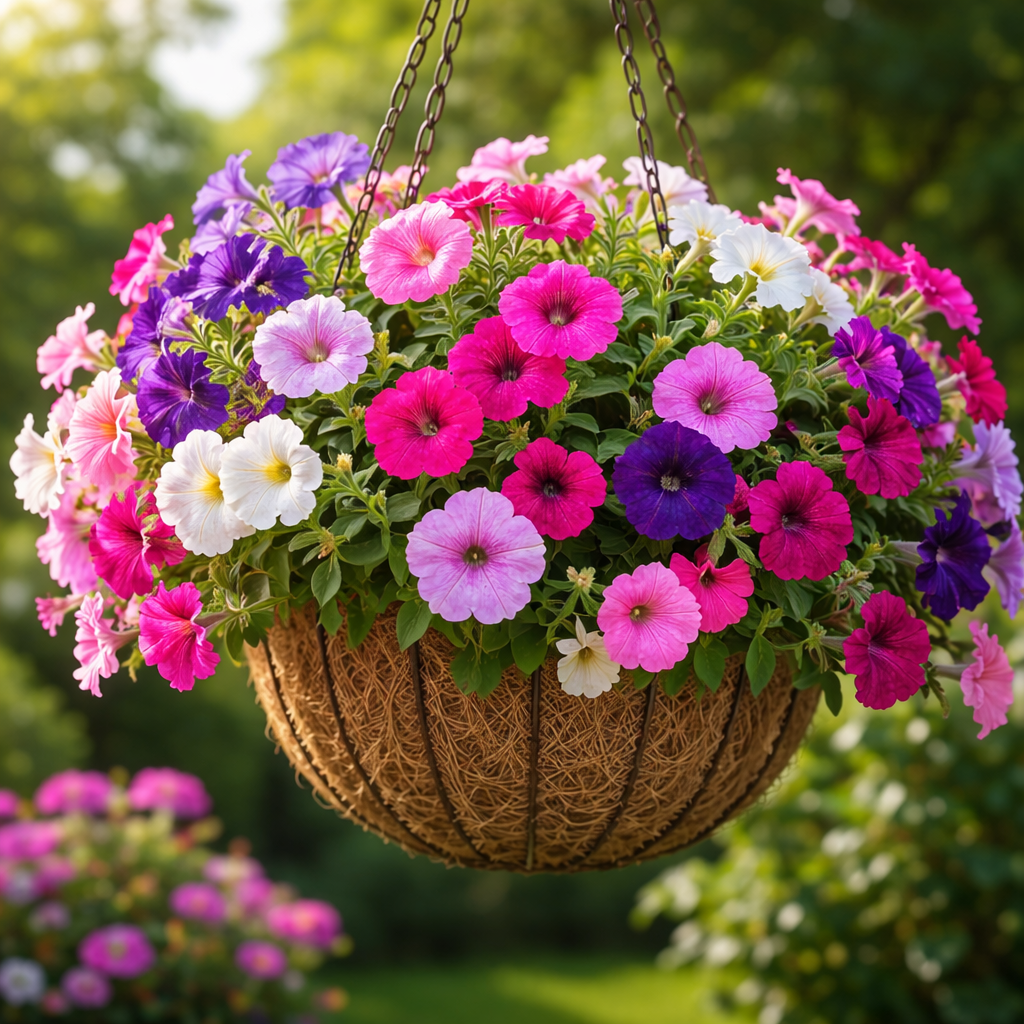
1. Give Petunias Enough Sunlight
Petunias need full sun to bloom properly. Without enough light, plants focus on growing leaves instead of flowers.
Ideally, petunias require:
- 6–8 hours of direct sunlight daily
- Bright, open location
- No heavy shade
If plants are placed in low light, blooming will slow down significantly. You can learn more here:
Low Light Problems in Indoor Plants
2. Water Properly (Not Too Much)
Incorrect watering is one of the most common reasons for poor flowering. Both overwatering and underwatering can reduce blooms.
Signs of watering problems include:
- Drooping leaves
- Yellowing
- Slow growth
If the soil stays too wet, roots may suffer. Read more here:
Overwatering Plants: Signs, Effects, and Solutions
If plants dry out too often, blooming will also decrease. See:
Underwatering Plants: How to Tell and What to Do
3. Use the Right Fertilizer
Petunias are heavy feeders, which means they need regular nutrients to produce flowers.
Without proper feeding:
- Plants grow leaves but not flowers
- Buds may fall off
- Blooming becomes weak
Use a fertilizer high in phosphorus to encourage flowering. Additionally, feeding every 1–2 weeks can make a noticeable difference.
If you are unsure about nutrients, read:
Signs of Nutrient Deficiency in Plants
4. Deadhead and Prune Regularly
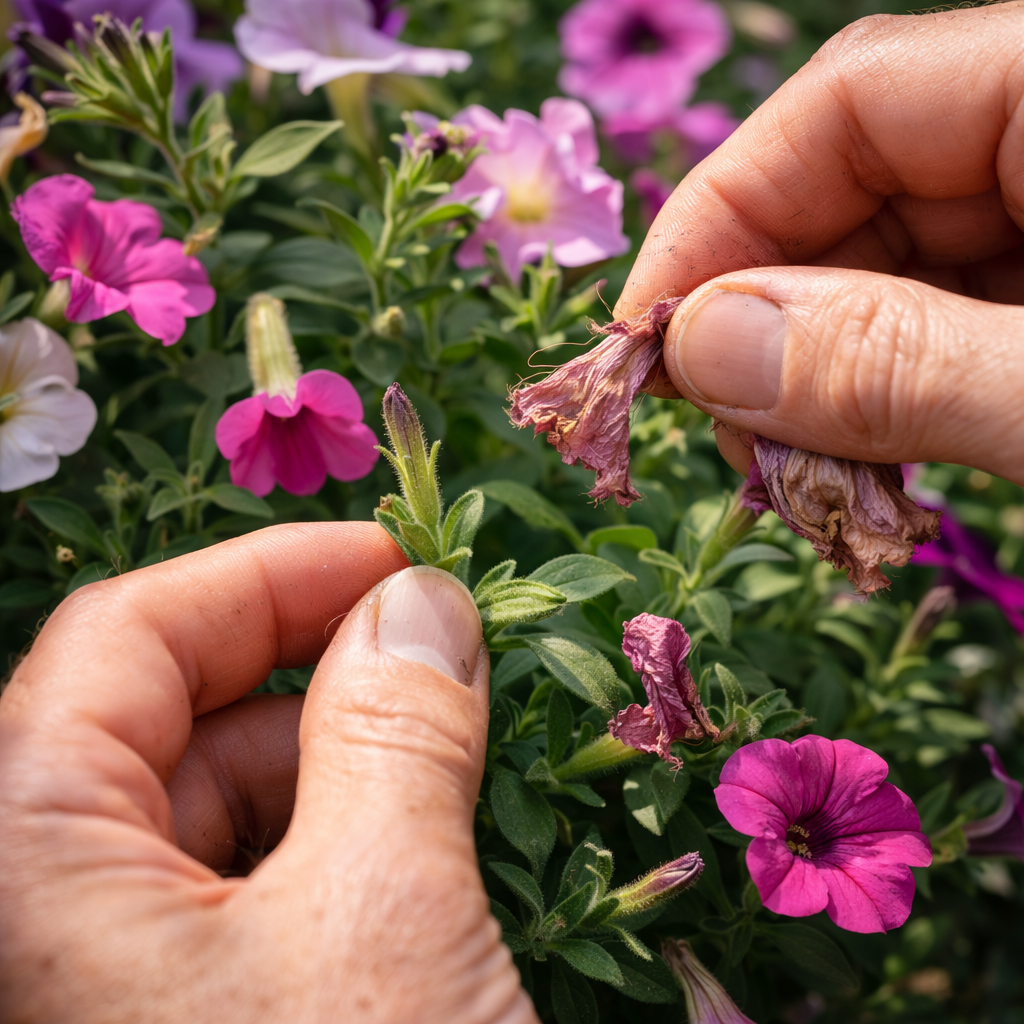
Removing faded flowers encourages new blooms. This process is called deadheading.
Moreover, trimming long stems helps the plant become fuller and produce more flowers.
Do this:
- Remove old flowers weekly
- Cut back leggy stems
- Shape the plant
If your petunias look stretched or weak, check:
Leggy Plants: Causes and How to Fix Them
5. Improve Soil Quality
Healthy soil is essential for strong blooming. Poor soil can limit nutrient absorption and reduce flower production.
Good soil should be:
- Loose and well-draining
- Rich in organic matter
- Not compacted
You can also improve soil by following:
Best Soil for Healthy Plant Growth
6. Watch for Pests and Diseases
Pests can weaken plants and reduce blooming. Even small infestations can affect flower production.
Common issues include:
- Aphids
- Spider mites
- Whiteflies
If you notice sticky leaves or damaged growth, read:
Aphids on Plants: How to Get Rid of Them Naturally
Spider Mites on Houseplants: Causes and Treatment
7. Avoid Stress Conditions
Petunias stop blooming when stressed. Common stress factors include:
- Extreme heat
- Cold temperatures
- Transplant shock
- Sudden changes in care
If your plant was recently moved or repotted, it may need time to recover.
How to Boost Blooming Fast
If you want a quick improvement, follow this simple routine:
- Move plant to full sun
- Water when soil is slightly dry
- Feed with flowering fertilizer
- Remove old flowers
- Trim long stems
Within a few weeks, you should see more blooms.
FAQ
Why are my petunias growing leaves but no flowers?
This usually happens due to low light or too much nitrogen fertilizer.
How often should I fertilize petunias?
Every 1–2 weeks during the growing season works best.
Do petunias need deadheading?
Yes, removing old flowers helps the plant produce new blooms.
Conclusion
Petunias can bloom continuously and create a stunning display when cared for correctly. However, without enough light, nutrients, or proper pruning, flowering will slow down.
By improving sunlight, watering, feeding, and maintenance, you can dramatically increase blooming and keep your petunias looking full and vibrant all season.
Watch with English subtitles for better understanding.
This video shows how to properly deadhead petunias to encourage more blooms. Regular pruning helps plants stay compact and produce more flowers.