Drooping leaves can make any plant look weak, lifeless, and unhealthy. However, this alarming symptom is often a clear signal that something in the plant’s environment needs attention.
In many cases, drooping is not permanent damage. Instead, it is a stress response. Once you identify the cause, recovery can happen surprisingly fast.
This guide explains why indoor plant leaves droop and how to fix the issue effectively.
Common Signs of Drooping Leaves
Before taking action, observe your plant carefully. Different causes often produce slightly different symptoms.
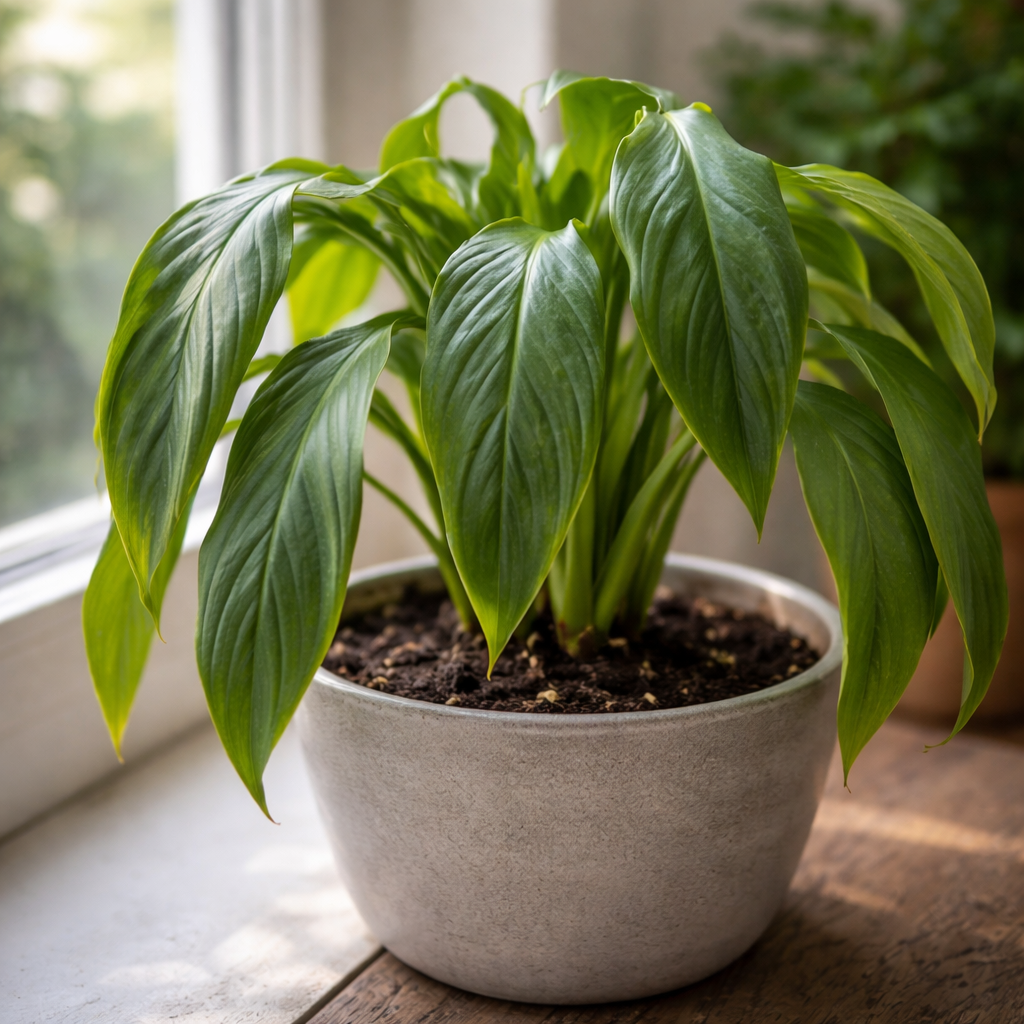
Look for these signs:
- soft, hanging leaves
- limp stems
- leaves pointing downward
- slow or weak growth
Sometimes drooping appears together with other problems. For instance, leaves may also turn yellow or develop brown tips. If that happens, check Yellow Leaves on Plants: Causes and Solutions for deeper insight.
1. Underwatering
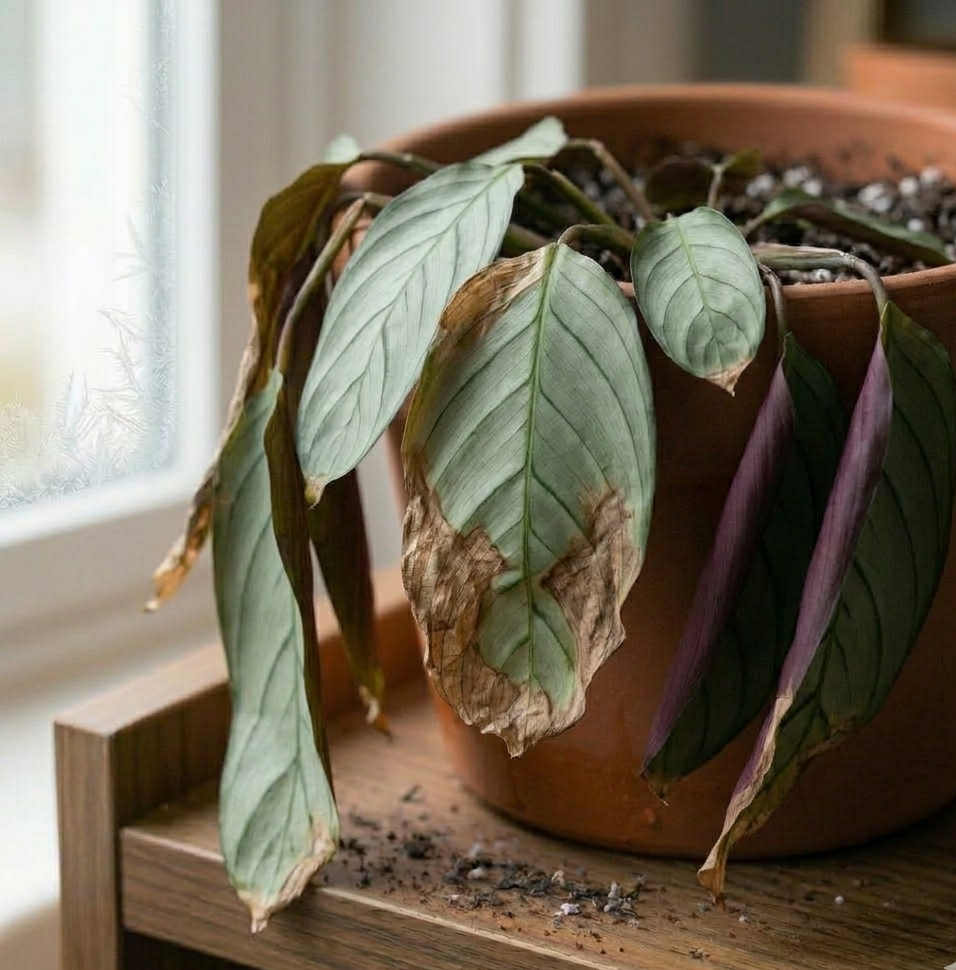
Lack of water is one of the most common reasons plants droop. When soil becomes too dry, the plant loses turgor pressure, causing leaves to collapse.
As a result, leaves appear soft and lifeless.
Signs of underwatering include:
- dry soil
- crispy leaf edges
- lightweight pot
To fix this, water the plant thoroughly. Then allow excess water to drain completely.
For more details, see Underwatering Plants: How to Tell and What to Do.
2. Overwatering
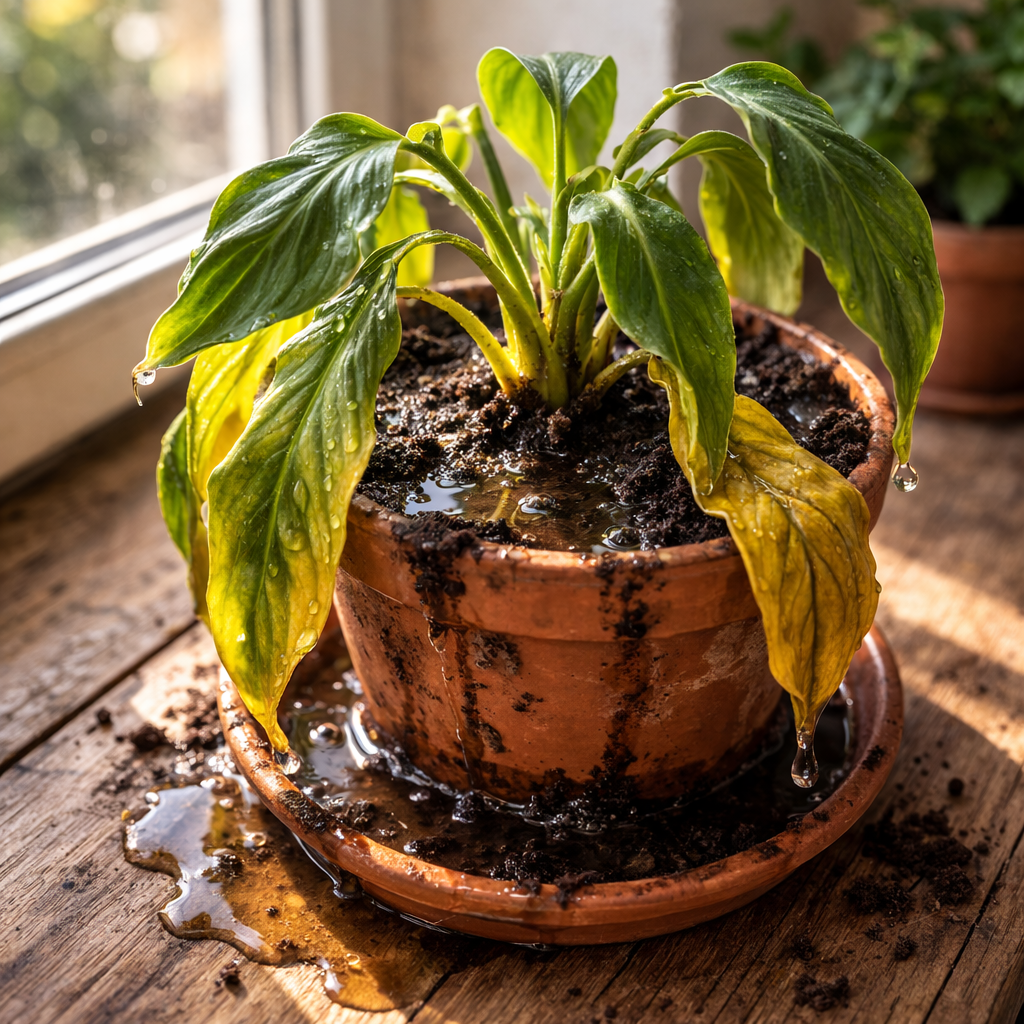
Although it seems surprising, too much water can also cause drooping. When roots sit in soggy soil, they cannot absorb oxygen properly.
Consequently, the plant becomes stressed and weak.
Common signs include:
- constantly wet soil
- yellowing leaves
- unpleasant smell from soil
To solve this issue, reduce watering and improve drainage. You can learn more in Overwatering Plants: Signs, Effects, and Solutions.
3. Root Problems
Healthy roots are essential for plant stability. However, when roots become damaged, compacted, or root-bound, they struggle to support the plant.
As a result, leaves may droop even if watering seems correct.
This often happens when:
- soil is too dense
- roots fill the entire pot
- drainage is poor
Repotting into fresh soil can significantly improve plant health. For guidance, check Best Soil for Healthy Plant Growth.
4. Temperature Stress
Indoor plants are sensitive to sudden temperature changes. Cold drafts or heat from radiators can stress the plant quickly.
Therefore, leaves may droop as a protective response.
Avoid placing plants near:
- open windows in winter
- heaters or radiators
- air conditioning vents
If seasonal care is a concern, read How to Care for Indoor Plants in Winter.
5. Low Light Conditions
Insufficient light weakens plant structure over time. Without enough energy, leaves lose strength and begin to droop.
Additionally, plants may show:
- slow growth
- pale leaves
- stretched stems
To fix this, move your plant closer to a brighter area. However, avoid sudden exposure to direct sunlight.
You can explore more in Low Light Problems in Indoor Plants.
6. Transplant Shock or Stress
Plants often react to sudden changes. After repotting or moving to a new location, temporary drooping is common.
This response may feel concerning. Nevertheless, it is usually short-term.
Give the plant time to adjust. Maintain consistent care, and avoid additional stress during recovery.
How to Fix Drooping Leaves Fast
To restore your plant, focus on the basics.
Follow these simple steps:
- check soil moisture regularly
- ensure proper drainage
- provide stable light conditions
- avoid sudden environmental changes
- monitor plant health consistently
Consistency is a powerful factor in plant recovery.
Final Thoughts
Drooping leaves can feel frustrating at first. However, they are often a helpful warning sign rather than a disaster.
Once you identify the cause, the solution becomes clear. Whether the issue is watering, light, or root health, small adjustments can make a dramatic difference.
With proper care and attention, your plant can recover and regain its healthy, vibrant appearance.