A plant that stops producing new leaves can feel frustrating and even worrying. However, this problem usually has a clear cause. In most cases, slow or stalled growth happens because something in the environment is not quite right.
Fortunately, plants are resilient. Once you identify the issue, growth can often restart surprisingly fast. This guide explains why your plant is not growing new leaves and what you can do to fix it.
Common Signs of Stopped Growth
Before solving the issue, it is important to confirm that your plant has actually stopped growing.
Look for these signs:
- no new leaves for several weeks
- small or deformed new growth
- pale or weak foliage
- slowed overall development
Sometimes growth problems appear together with other symptoms. For example, leaves may turn yellow or start curling. In that case, check Why Are My Plant Leaves Curling? for additional clues.
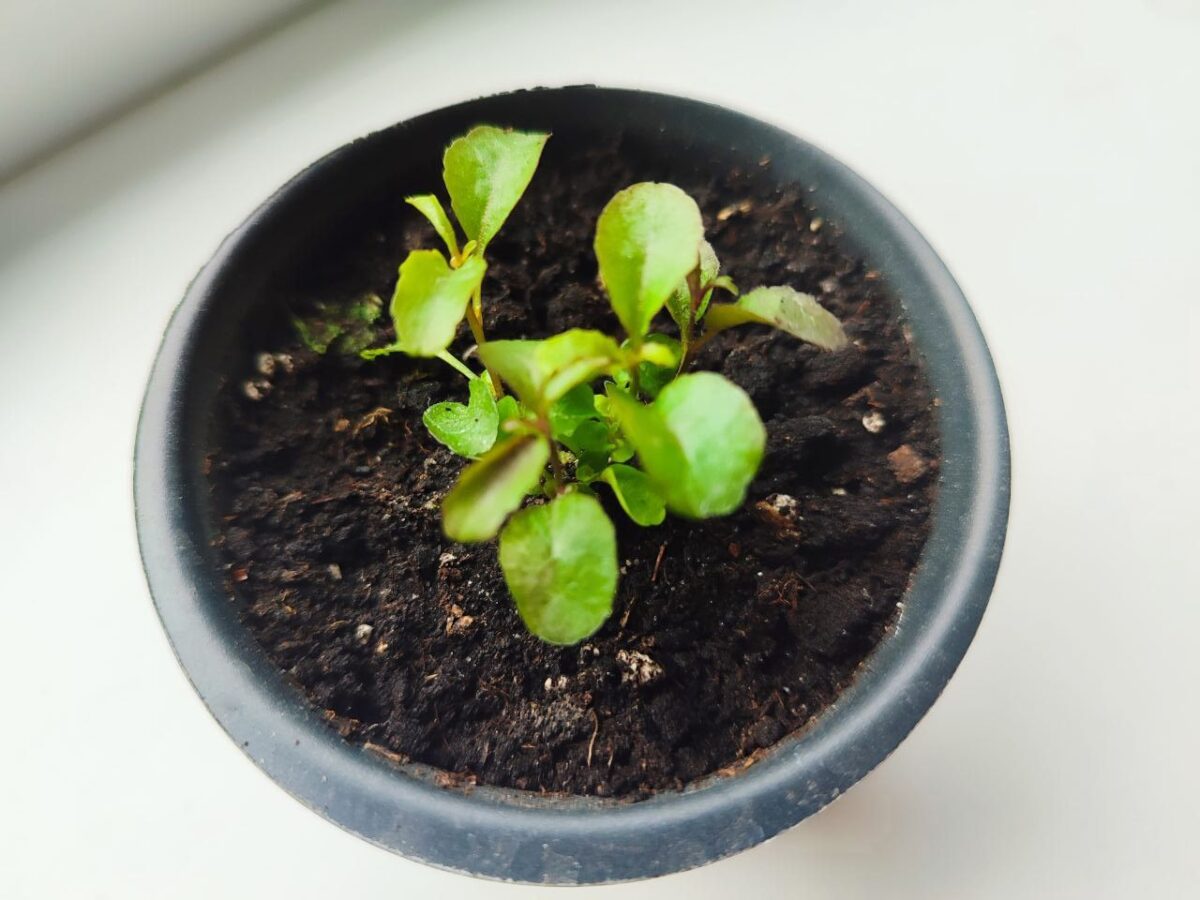
1. Not Enough Light
Light plays a crucial role in plant growth. Without enough light, plants simply do not have the energy to produce new leaves.
As a result, growth slows down or stops completely.
Common signs of low light include:
- stretched stems
- small leaves
- faded color
To fix this, move your plant closer to a bright window. However, avoid sudden exposure to harsh sunlight.
If lighting might be the issue, read Low Light Problems in Indoor Plants.
2. Nutrient Deficiency
Plants need nutrients to grow new leaves. Over time, soil loses essential minerals, especially nitrogen.
Without proper feeding, plants may survive but stop growing.
Typical signs include:
- pale leaves
- slow development
- weak stems
To restore growth, use a balanced fertilizer. Still, avoid overfeeding, because that can harm the roots.
For more details, see Nitrogen Deficiency in Plants: Symptoms and Fixes.
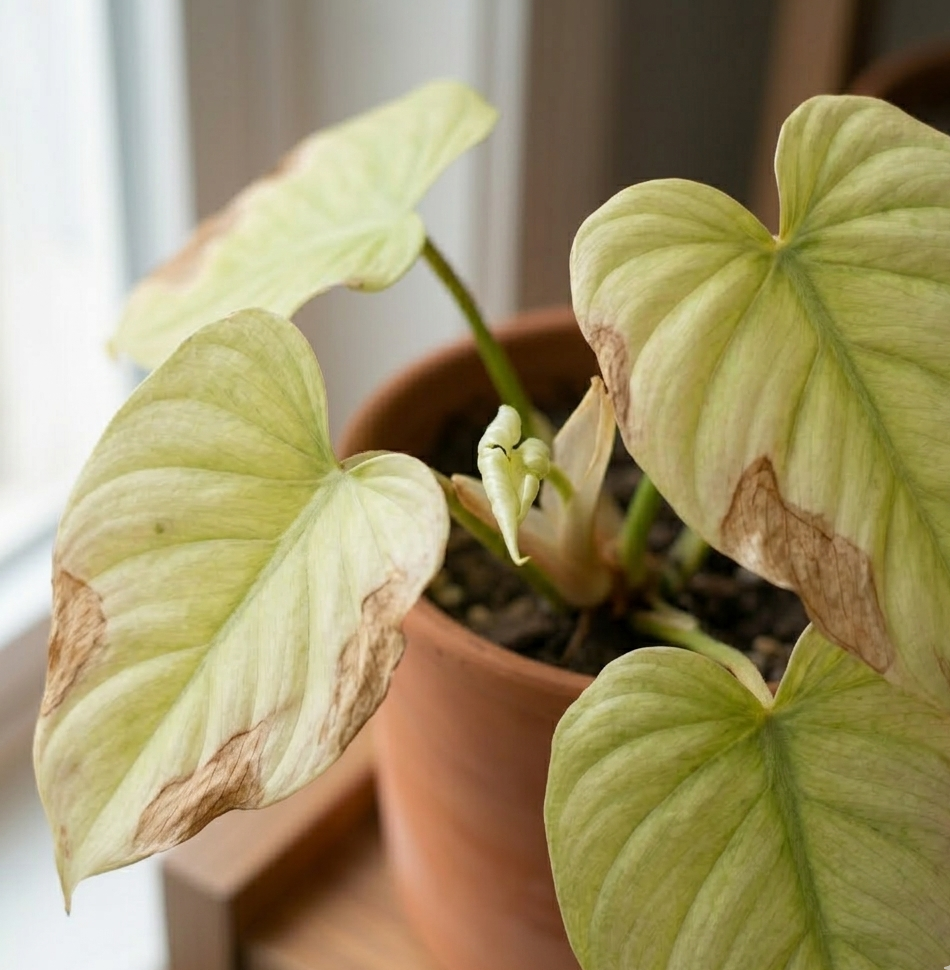
3. Watering Problems
Improper watering is another common cause of stalled growth. Both overwatering and underwatering can stress the plant.
When roots are unhealthy, the plant cannot support new growth.
Signs of watering issues include:
- drooping leaves
- dry or soggy soil
- brown leaf tips
Therefore, maintaining a consistent watering routine is essential.
You can check:
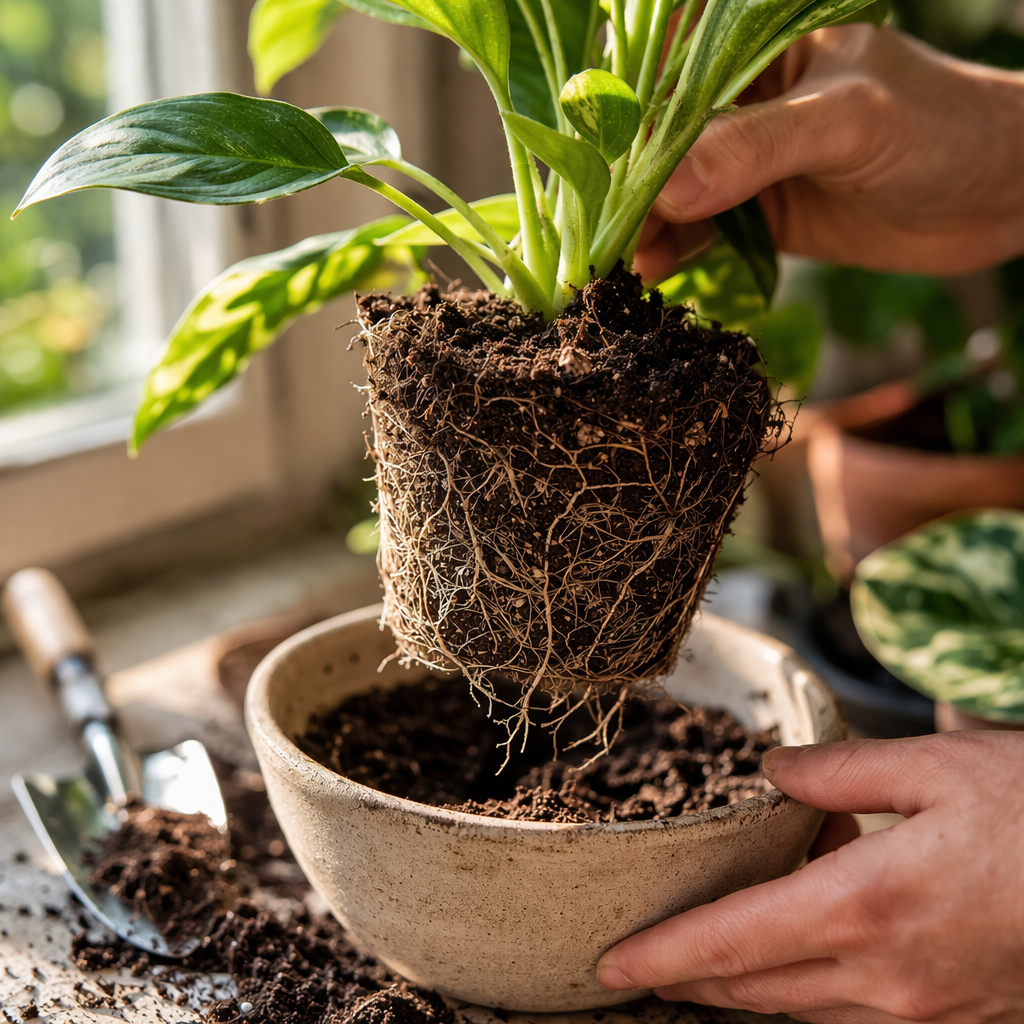
4. Root Problems
Healthy roots are the foundation of growth. If roots are damaged, compacted, or rotting, the plant will struggle to produce new leaves.
This often happens when:
- soil is too dense
- drainage is poor
- plant is root-bound
Repotting into fresh, well-draining soil can dramatically improve growth.
For guidance, see Best Soil for Healthy Plant Growth.
5. Temperature or Seasonal Changes
Plants naturally slow down during colder months. In winter, many indoor plants enter a resting phase.
During this time:
- growth slows
- fewer leaves appear
- energy is conserved
This is completely normal.
However, if growth stops during active seasons, temperature stress may be the cause. Avoid placing plants near cold drafts or heating sources.
You can also read How to Care for Indoor Plants in Winter.
6. Stress or Environmental Changes
Plants react strongly to sudden changes. Moving a plant, changing light conditions, or repotting can temporarily stop growth.
Even small changes may cause:
- delayed leaf development
- temporary stagnation
- leaf drop
Fortunately, once the plant adapts, growth usually resumes.
How to Encourage New Growth
To boost growth effectively, focus on creating stable conditions.
Follow these simple steps:
- provide bright indirect light
- water consistently
- feed plants regularly
- repot when necessary
- maintain stable temperature
Consistency is a powerful factor in plant health.
Final Thoughts
When a plant stops growing new leaves, it can feel discouraging. Nevertheless, the cause is usually easy to identify.
Light, nutrients, water, and root health all play essential roles. Once these factors are balanced, growth often returns quickly.
With the right care and a bit of patience, your plant can recover and start producing healthy new leaves again.