
Mold on plant soil can feel shocking and deeply frustrating. However, this common fungal issue is usually reversible if you act quickly. When white fuzz or gray patches appear, they signal excessive moisture and poor airflow.
Fortunately, you can eliminate mold and restore a healthy growing environment with the right strategy.
What Causes Mold on Soil and Stems?
Several environmental factors encourage fungal proliferation.
First, overwatering creates persistently damp soil. As a result, fungal spores thrive in oxygen-deprived conditions. If you suspect this issue, read:
👉 Overwatering Plants: Signs, Effects, and Solutions
Second, poor drainage intensifies moisture retention. Heavy or compacted substrates worsen the situation dramatically.
Additionally, low air circulation allows spores to colonize rapidly. Indoor plants placed too close together often experience this problem.
Finally, high humidity accelerates fungal expansion. Therefore, enclosed rooms without ventilation increase the risk.
For a broader understanding, see:
👉 Fungal Diseases in Garden Plants and How to Prevent Them
What Does Mold Look Like?
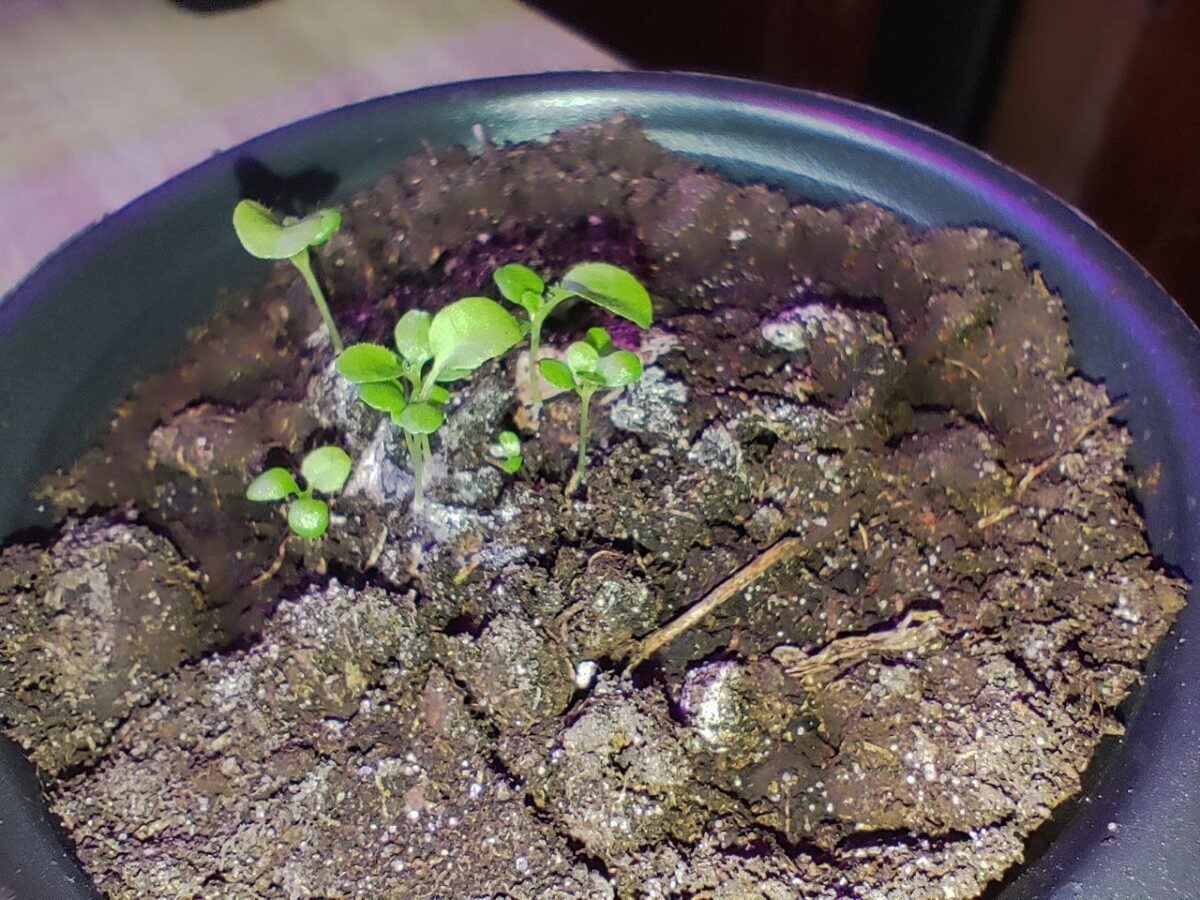
Typically, mold appears as:
- White cottony mycelium on soil
- Gray film around plant stems
- Thin web-like fungal threads
- Musty or sour odor
Although surface mold may seem harmless, it indicates an unstable microclimate. Left untreated, it can escalate into root rot — a destructive condition.
If you want to understand that threat, visit:
👉 Root Rot in Plants: Causes, Symptoms, and How to Save Your Plant
Is Mold Dangerous?
In many cases, superficial mold feeds on decaying organic matter. Nevertheless, persistent moisture eventually damages roots. Consequently, plants become weak, chlorotic, and vulnerable.
Stem mold is more serious. When tissue softens or darkens, immediate intervention becomes critical.
Powerful Steps to Remove Mold
1. Remove Contaminated Soil
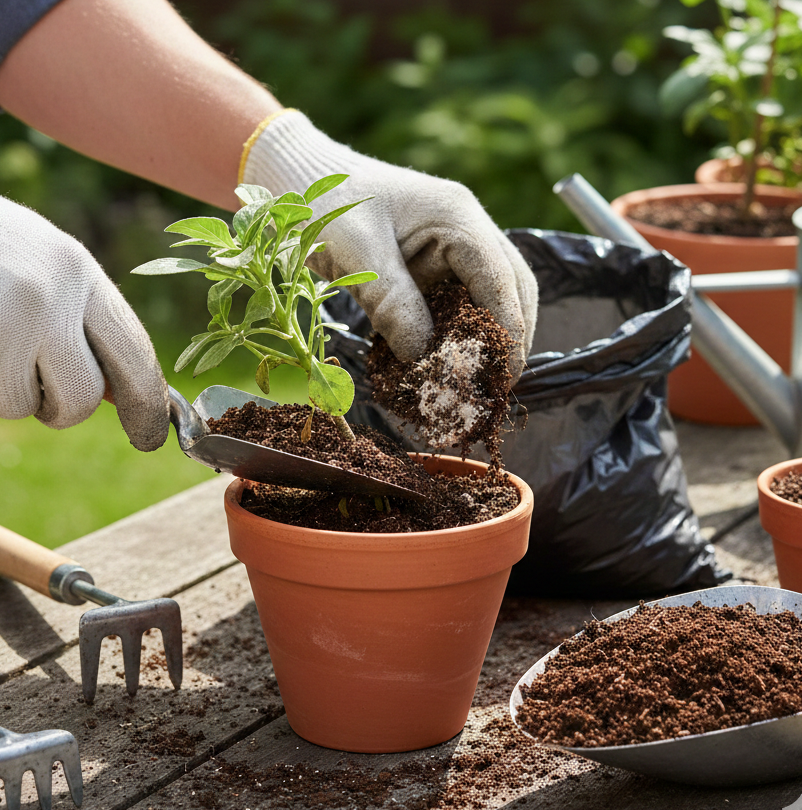
Carefully scrape away the top 1–2 inches of affected soil. Afterward, replace it with fresh, dry potting mix. This step instantly reduces fungal load.
2. Improve Airflow
Next, move the plant to a brighter location with better ventilation. Moreover, spacing plants apart prevents cross-contamination.
3. Adjust Watering Habits
Allow the top layer to dry before watering again. Instead of frequent light watering, choose deeper but less frequent irrigation.
If you need guidance, check:
👉 How Often Should You Water Indoor Plants?
4. Apply Natural Antifungal Solutions
You may use:
- Cinnamon powder (natural antifungal)
- Diluted hydrogen peroxide (1 part 3% peroxide to 4 parts water)
- Neem oil spray
Apply treatments sparingly. Otherwise, oversaturation may worsen the issue.
Mold on Plant Stems: Urgent Action
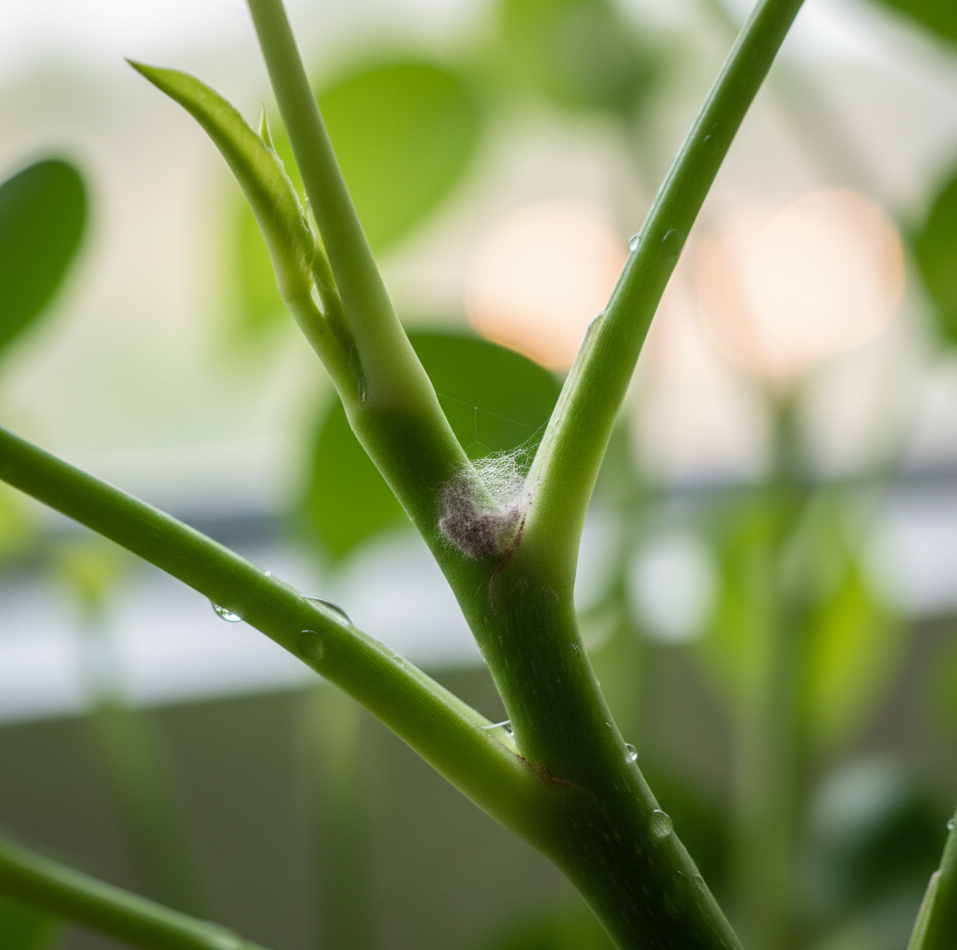
If mold appears directly on stems, sterilize scissors and prune affected sections immediately. Then, improve lighting conditions and reduce watering frequency. In severe cases, repotting into sterile substrate becomes essential.
Meanwhile, avoid misting foliage excessively, as moisture lingers and encourages recurrence.
How to Prevent Mold Permanently
Prevention is far easier than treatment.
- Use well-draining potting soil
- Ensure containers have drainage holes
- Remove fallen leaves promptly
- Maintain moderate humidity
- Provide consistent airflow
Furthermore, adding a thin sand layer on top of soil reduces fungal colonization.
For indoor prevention strategies, read:
👉 Mold in Indoor Plant Pots: Causes and Prevention
Final Thoughts
Mold on plant soil may look alarming; however, it rarely means disaster. With decisive action and improved care routines, recovery is absolutely possible.
By controlling moisture and enhancing ventilation, you create a resilient growing environment. Ultimately, healthy soil supports vigorous growth, lush foliage, and thriving plants.
Act fast. Stay consistent. Protect your plants with confidence.