
Why Do Leaves Wilt Even When Soil Is Wet?
Seeing leaves wilt after watering is frustrating and confusing. You did what you were supposed to do — yet your plant still looks tired and unhappy.
In reality, wilting isn’t always caused by dry soil. In fact, too much water, damaged roots, or poor growing conditions often trigger this problem.
Because of that, watering more can actually make things worse instead of better.
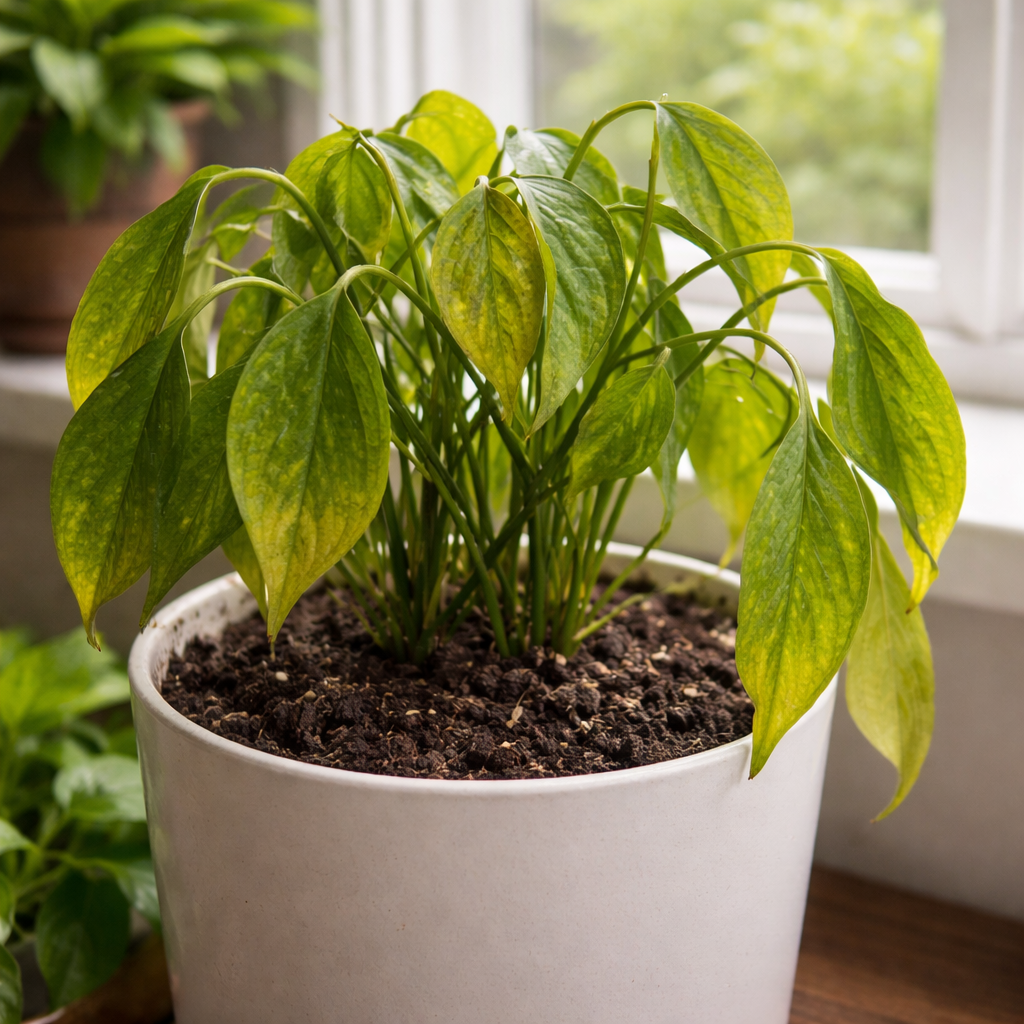
The Most Common Reasons Leaves Wilt After Watering
Although the symptoms look similar, the causes are very different. Therefore, identifying the true issue is critical and empowering.
1. Overwatering and Root Stress
When soil stays wet for too long, roots struggle to breathe. As a result, they stop absorbing water properly — even though moisture is present.
Eventually, this leads to root rot, one of the most destructive plant problems.
👉 Learn more in Overwatering Plants: Signs, Effects, and Solutions
2. Root Rot Damage
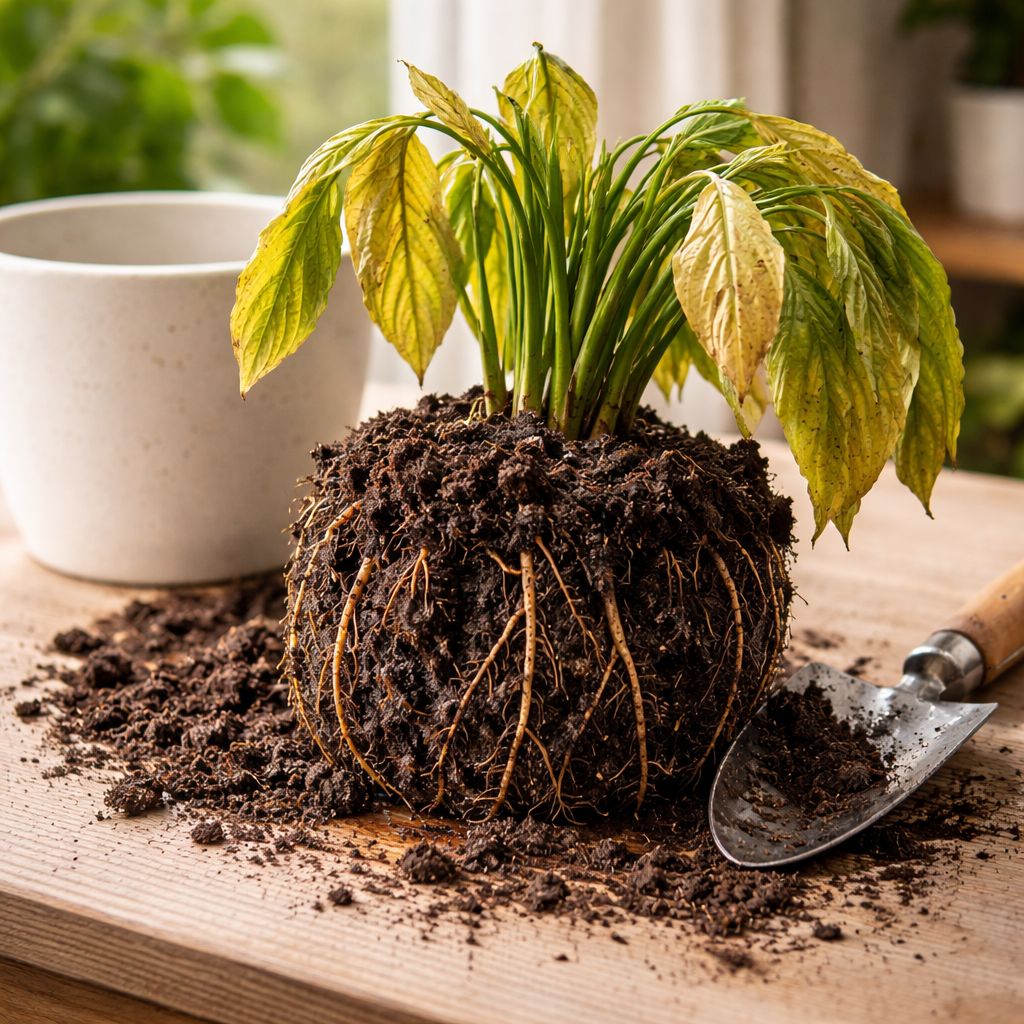
Once roots begin to rot, they can no longer deliver water to leaves. Consequently, leaves wilt, yellow, and sometimes collapse suddenly.
Sadly, this damage often happens below the surface, making it easy to miss.
👉 Read Root Rot in Plants: Causes, Symptoms, and How to Save Your Plant
3. Poor Drainage and Compacted Soil
Even proper watering fails if water cannot escape. Heavy or compacted soil traps moisture, suffocating roots over time.
Therefore, plants in pots without drainage holes are especially vulnerable.
👉 See Best Soil for Healthy Plant Growth
4. Heat Stress and Transpiration Shock
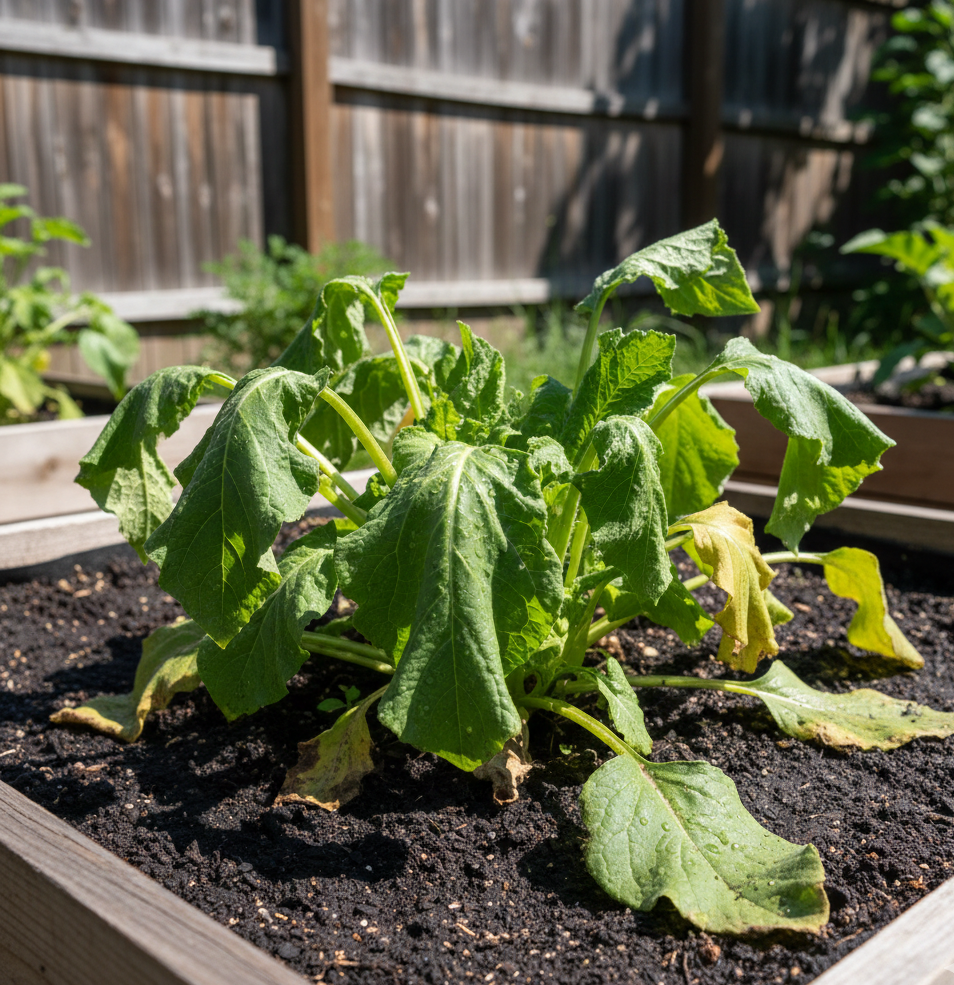
During hot weather, plants lose water through leaves faster than roots can absorb it. As a result, wilting occurs even in moist soil.
Although watering helps temporarily, heat stress requires shade and airflow — not more water.
5. Damaged or Bound Roots
When roots outgrow their pot, they circle tightly and lose efficiency. Because of this, water absorption drops dramatically.
If your plant dries out quickly or wilts repeatedly, repotting may be necessary.
👉 Related help: Why Are Indoor Plants Dying? Common Mistakes
How to Fix Wilting Leaves the Right Way
Instead of guessing, follow these powerful, proven steps.
Step 1: Check Soil Moisture Properly
Push your finger 2–3 inches into the soil. If it feels wet and cool, stop watering immediately.
👉 For guidance, read How Often Should You Water Indoor Plants?
Step 2: Inspect Drainage
Make sure pots have drainage holes. Additionally, empty saucers after watering to prevent standing water.
Step 3: Improve Airflow and Light
Good airflow helps roots recover faster. Likewise, correct light prevents stress that mimics watering problems.
👉 See Low Light Problems in Indoor Plants
📷 Image placement (after solution steps)
Can Plants Recover From This?
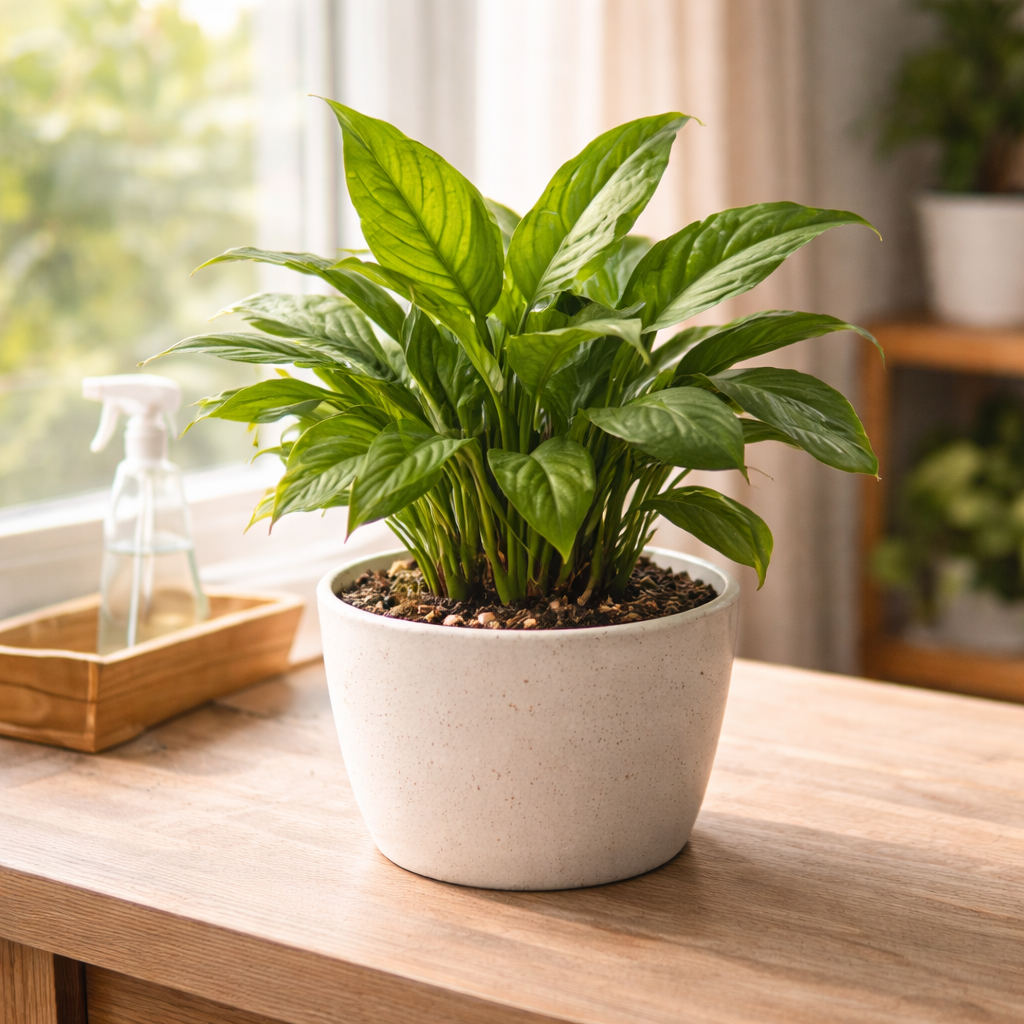
Thankfully, yes — most plants bounce back once the root problem is fixed. However, recovery takes patience.
If the plant looks severely stressed, remove damaged leaves and focus on stable conditions instead of frequent watering.
👉 Helpful guide: How to Revive a Dying Houseplant
Final Thoughts
Leaves wilting after watering is a warning sign, not a mystery. Once you stop reacting emotionally and start diagnosing calmly, solutions become clear.
By fixing root health, drainage, and environment, you give your plant the chance to recover — and thrive again 🌱