Garden pests can turn a healthy, thriving garden into a stressful, disappointing mess almost overnight. However, panic is not the solution. Once you know what you’re dealing with, pest control becomes calmer, smarter, and far more effective.
In this guide, you’ll learn how to identify common garden pests and how to control them safely, using both natural and practical methods.
Why Garden Pests Are So Destructive
Pests feed fast and reproduce even faster. As a result, damage often appears suddenly. Moreover, weakened plants become more vulnerable to diseases and nutrient deficiencies.
👉 If plants already look unhealthy, read:
Why Are Indoor Plants Dying? Common Mistakes
How to Identify Garden Pests Early
Early detection saves plants. Therefore, regular inspection is critical.
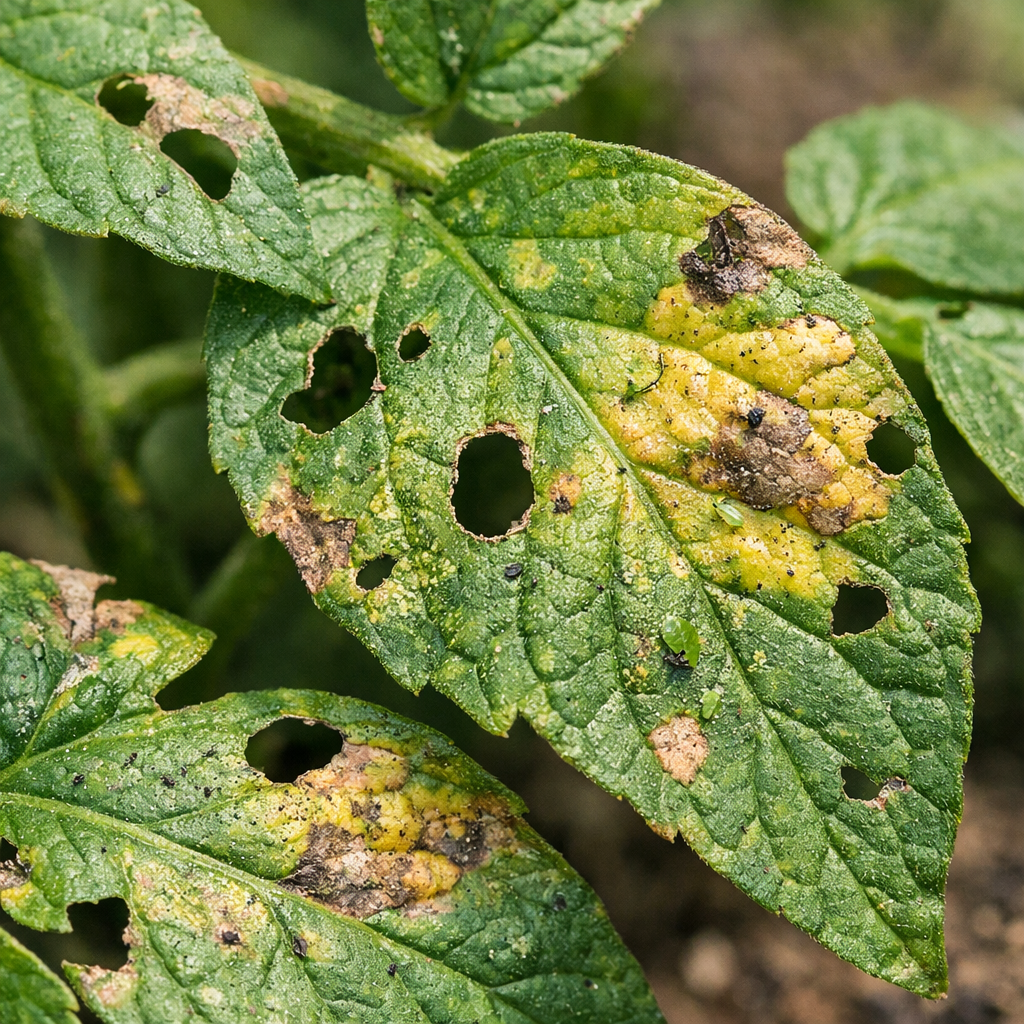
Common warning signs:
- Holes in leaves
- Sticky residue (honeydew)
- Yellowing or curling foliage
- Tiny moving insects on stems or leaf undersides
Most Common Garden Pests
Aphids
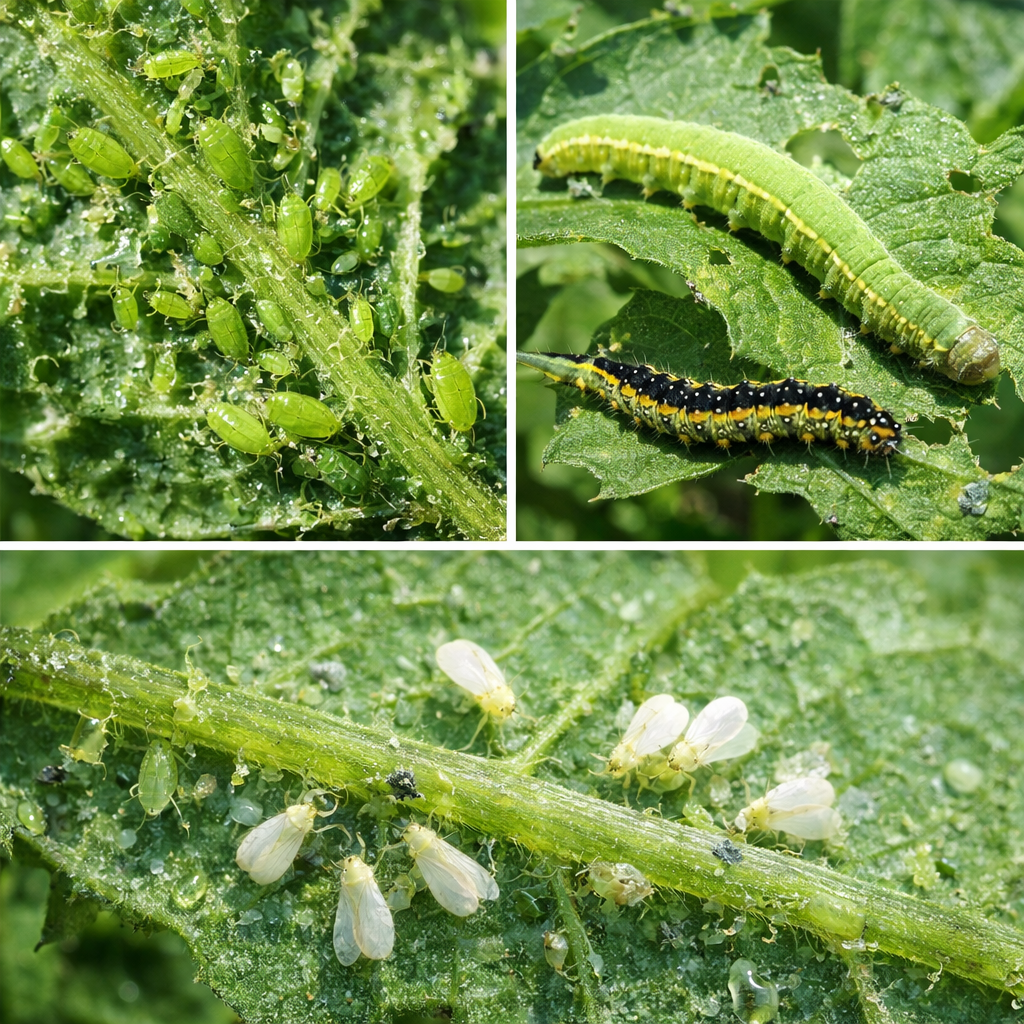
Small, soft-bodied insects that cluster on new growth. They drain plant sap, causing distorted leaves.
👉 Detailed guide:
Aphids on Plants: How to Get Rid of Them Naturally
Spider Mites
Almost invisible pests that thrive in dry conditions. As a result, plants develop speckled, faded leaves.
👉 Learn more here:
Spider Mites on Houseplants: Causes and Treatment
Whiteflies
Tiny white insects that fly up when plants are disturbed. Meanwhile, they weaken plants and spread disease.
👉 Full article:
Whiteflies on Plants: Identification and Solutions
Caterpillars
They chew leaves aggressively. Although they are easy to spot, damage can escalate quickly.
Slugs and Snails
These pests feed at night. Consequently, plants appear fine by day and destroyed by morning.
Natural Ways to Control Garden Pests
Natural methods protect beneficial insects. In addition, they reduce chemical buildup in soil.
Effective natural controls:
- Neem oil
- Insecticidal soap
- Garlic or chili spray
- Hand removal for large pests
👉 Related reading:
How to Protect Plants from Insects Without Chemicals
Encourage Beneficial Insects
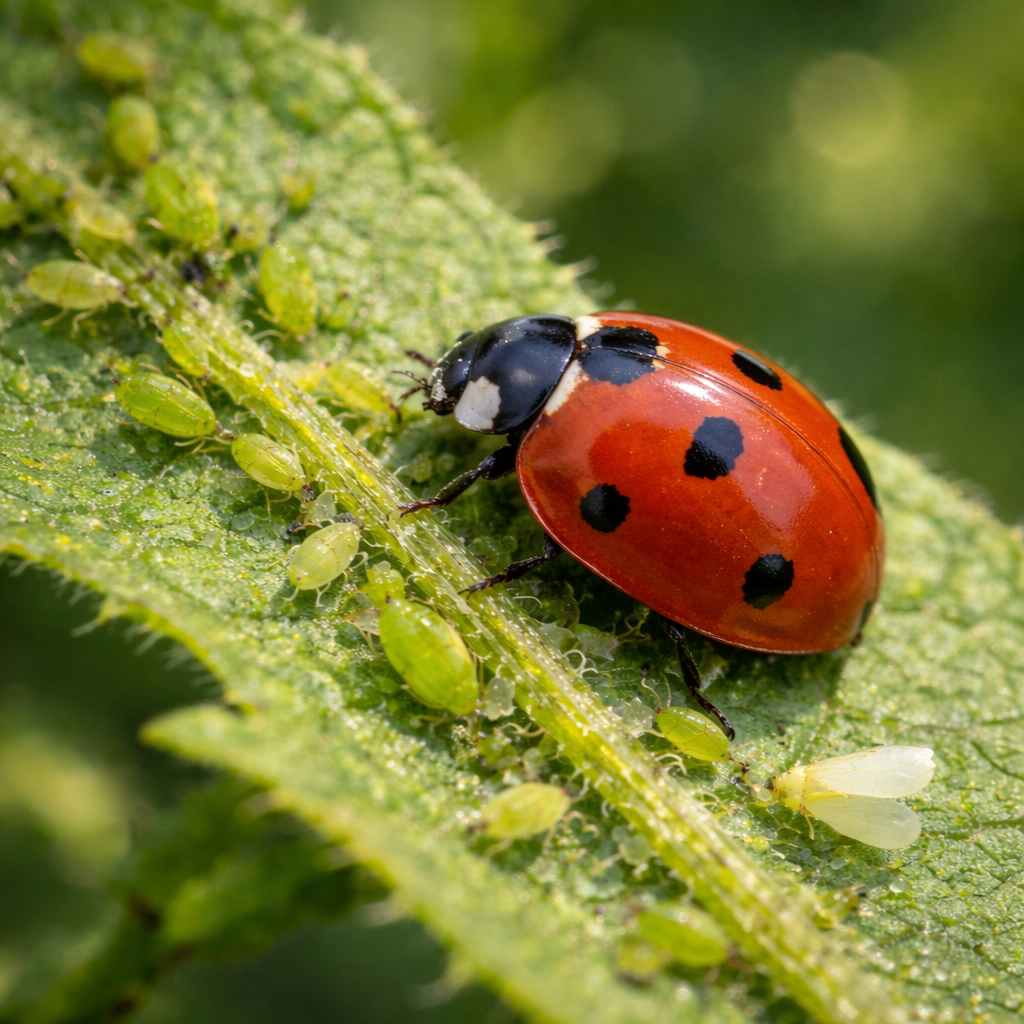
Not all insects are enemies. On the contrary, some are powerful allies.
Helpful insects include:
- Ladybugs
- Lacewings
- Parasitic wasps
By supporting them, pest populations naturally decline.
When Chemical Control Is Necessary
Sometimes infestations become overwhelming. In that case, careful chemical use may be justified.
Safe chemical guidelines:
- Use targeted products only
- Apply in early morning or evening
- Avoid spraying flowering plants
- Follow label instructions strictly
👉 Soil health matters too:
How to Use Fertilizers Correctly Without Harming Plants
Prevent Future Pest Problems
Prevention is the most powerful strategy. Instead of reacting, focus on long-term garden balance.
Prevention tips:
- Rotate crops yearly
- Keep soil healthy
- Remove infected plants promptly
- Avoid overwatering
👉 Also read:
Best Soil for Healthy Plant Growth
Common Pest Control Mistakes
Even experienced gardeners make mistakes. Unfortunately, these errors invite repeat infestations.
Avoid:
- Overusing pesticides
- Ignoring early signs
- Treating without identifying pests
- Weakening plants with poor care
Final Thoughts
Common garden pests are inevitable, but destruction is not. With calm observation and smart action, you can protect your plants, preserve your harvest, and enjoy gardening again.
🌱 A strong garden doesn’t fight pests — it outgrows them.