
Fungal plant diseases are one of the most frustrating and destructive problems gardeners face. Unfortunately, these infections often spread silently before visible damage appears. As a result, leaves yellow, stems weaken, and entire plants may collapse. Moreover, once fungi establish themselves, recovery becomes difficult without prompt action. Therefore, understanding how fungal diseases develop—and how to prevent them—can protect your garden from serious loss.
What Are Fungal Plant Diseases?
Fungal plant diseases are caused by microscopic organisms that thrive in moist, poorly ventilated environments. Unlike nutrient deficiencies, fungal infections actively spread from plant to plant. Consequently, untreated outbreaks can quickly overwhelm an entire garden bed. In addition, fungal spores survive in soil, debris, and even on tools, making prevention absolutely critical.
Common Fungal Diseases in Garden Plants
Powdery Mildew
Powdery mildew appears as a pale, dusty coating on leaves and stems. Although it looks harmless at first, it gradually weakens plants and reduces flowering.
👉 Powdery Mildew on Plants: Identification and Treatment
Root Rot
Root rot develops underground, which makes it especially dangerous. Typically, plants wilt despite moist soil, while roots turn brown and mushy.
👉 Root Rot in Plants: Causes, Symptoms, and How to Save Your Plant
Leaf Spot Diseases
Leaf spot diseases cause circular brown or black lesions on foliage. Eventually, infected leaves drop prematurely, stressing the plant.
👉 Leaf Spot Disease: What Causes It and How to Fix It
Gray Mold (Botrytis)
Gray mold thrives in cool, damp conditions. As a result, flowers and young shoots rot rapidly, especially during rainy periods.
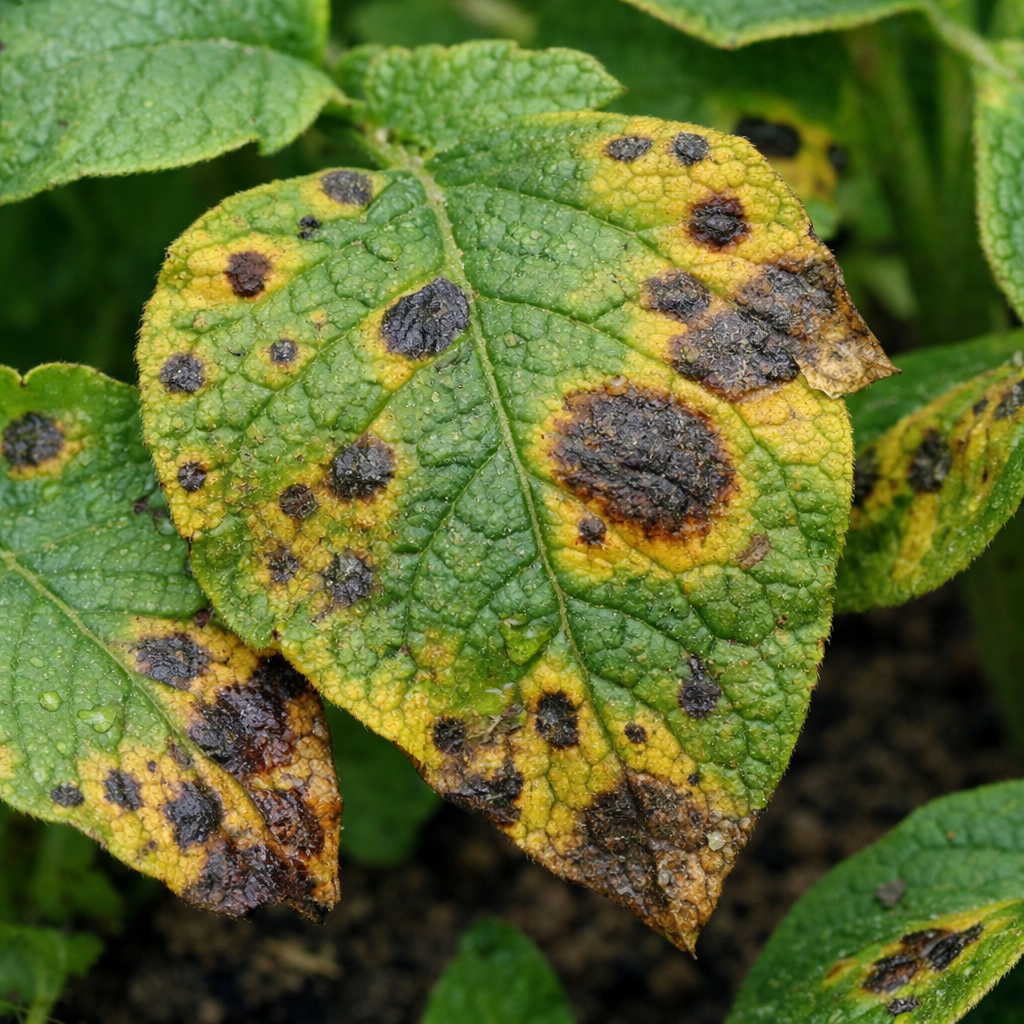
Why Fungal Diseases Spread So Easily
First, excess moisture creates ideal conditions for fungal growth. Additionally, overcrowded plants restrict airflow, trapping humidity. Furthermore, contaminated soil and unclean tools allow fungi to persist year after year. Because of this, prevention always works better than treatment.
Powerful Ways to Prevent Fungal Diseases
Improve Air Circulation
Spacing plants correctly allows airflow to dry leaves faster. Consequently, fungi struggle to establish themselves.
Water the Right Way
Always water at soil level rather than overhead. This simple habit dramatically reduces leaf moisture and infection risk.
👉 Best Watering Schedule for Houseplants
Use Healthy Soil
Well-draining soil prevents waterlogged roots and limits fungal survival.
👉 Best Soil for Healthy Plant Growth
Clean Garden Tools
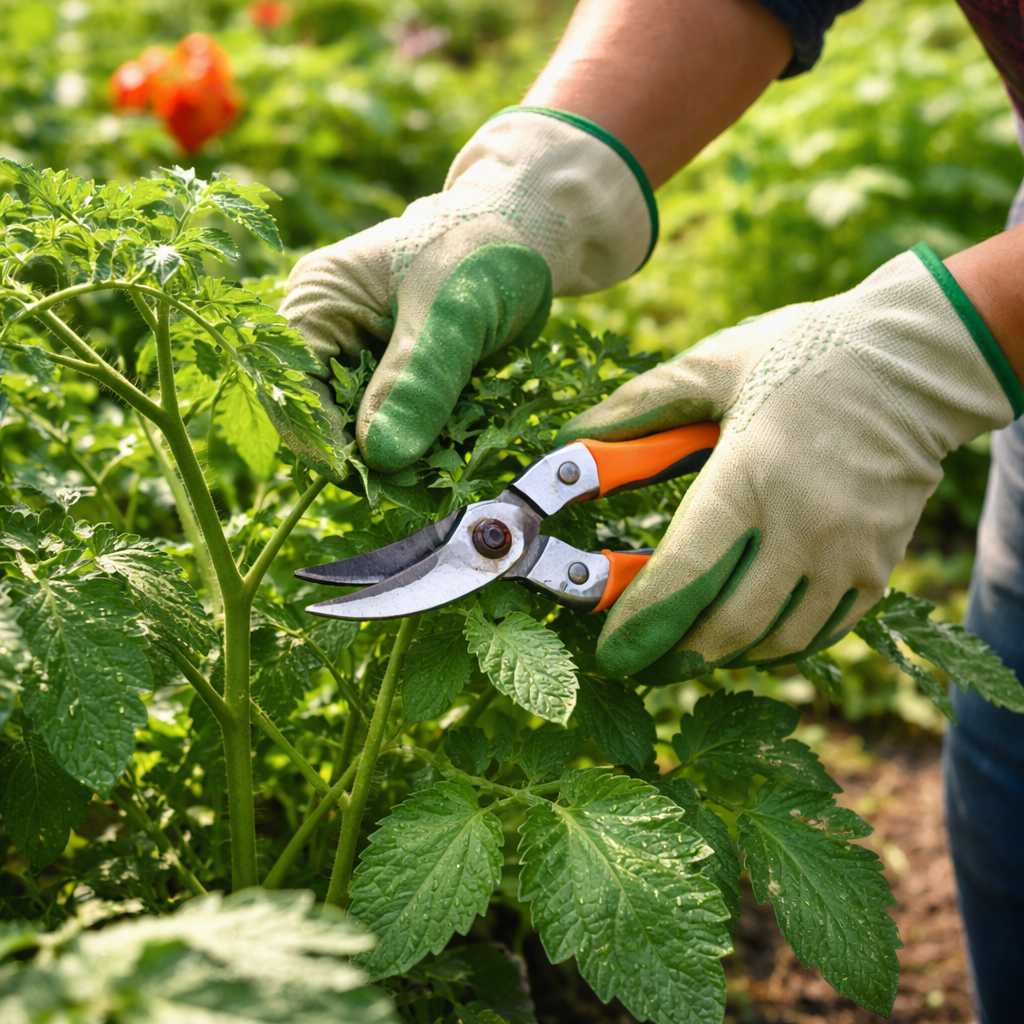
Disinfect pruning tools regularly. Otherwise, fungal spores transfer easily between plants.
How to Treat Fungal Diseases Naturally
When infections appear, immediate action is essential. First, remove all infected plant parts and dispose of them away from the garden. Next, apply organic fungicides such as neem oil or baking soda sprays. Additionally, improving sunlight exposure often slows fungal progression dramatically.
👉 How to Protect Plants from Insects Without Chemicals
When Chemical Fungicides Are Necessary
Sometimes, severe infections demand stronger intervention. In these cases, targeted fungicides can save valuable plants. However, they should be used sparingly and only according to label instructions to avoid resistance buildup.
Final Thoughts
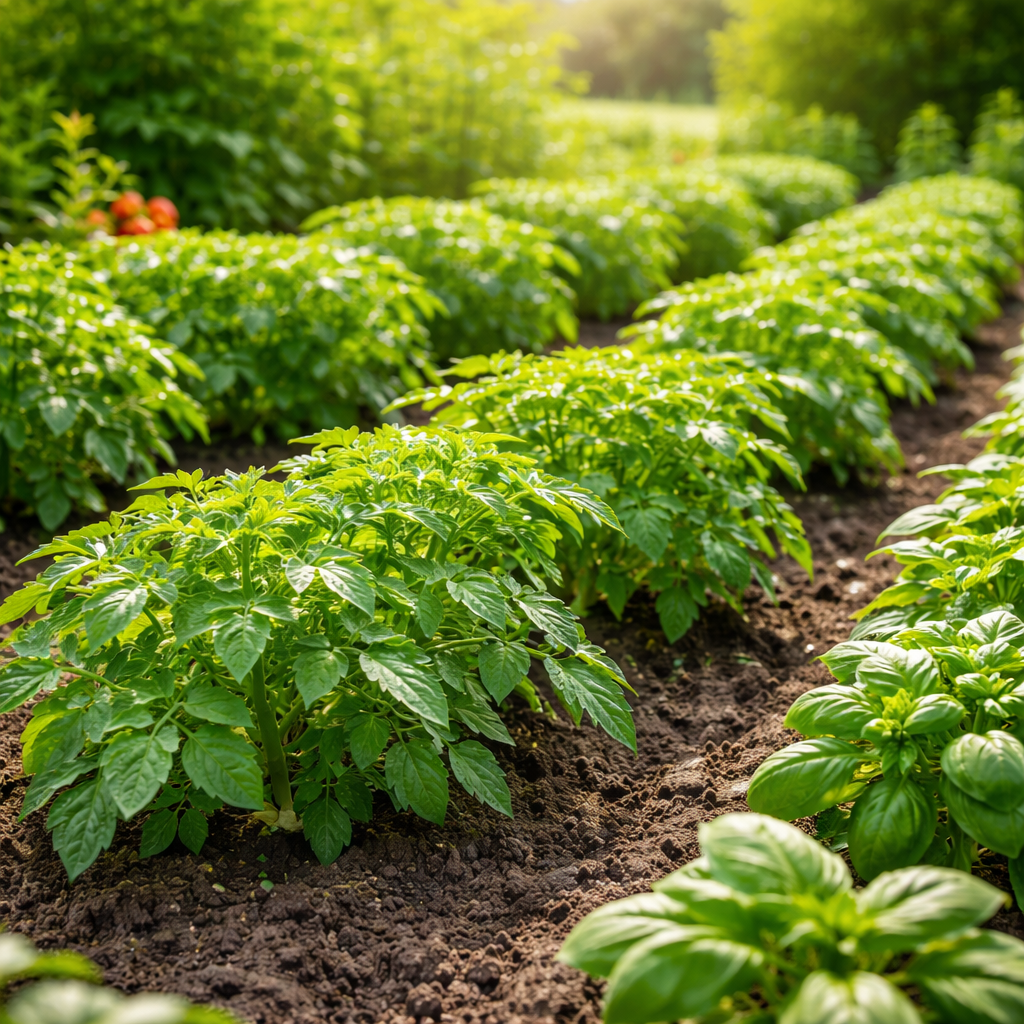
Fungal plant diseases can feel overwhelming. Nevertheless, with early detection and smart prevention, your garden can remain vibrant and resilient. By improving airflow, managing moisture, and maintaining clean soil, you gain a powerful advantage over destructive fungi. Ultimately, consistent care transforms a vulnerable garden into a thriving ecosystem.