Healthy plants always begin with quality soil. The best soil for healthy plant growth provides nutrients, retains moisture, and allows proper drainage. Without the right soil for plant growth, plants may suffer even if light and watering are correct.
In this guide, you will discover how to choose healthy plant soil, improve poor garden soil, and select the best indoor plant soil for long-term success.
🌱 What Is the Best Soil for Plants?
The best soil for plants is loamy soil rich in organic matter, well-draining, and slightly moist.
It supports root growth, holds nutrients, and prevents waterlogging.
🌿 What Makes Soil Healthy for Plant Growth?
Healthy soil creates the foundation for strong roots and steady growth. Most importantly, it balances moisture and airflow.
Healthy plant soil should:
- Drain excess water easily
- Hold nutrients efficiently
- Remain loose and breathable
- Contain organic matter
Poor soil, on the other hand, becomes compacted and lifeless. As a result, plants struggle to absorb water and nutrients.
Signs of Nutrient Deficiency in Plants
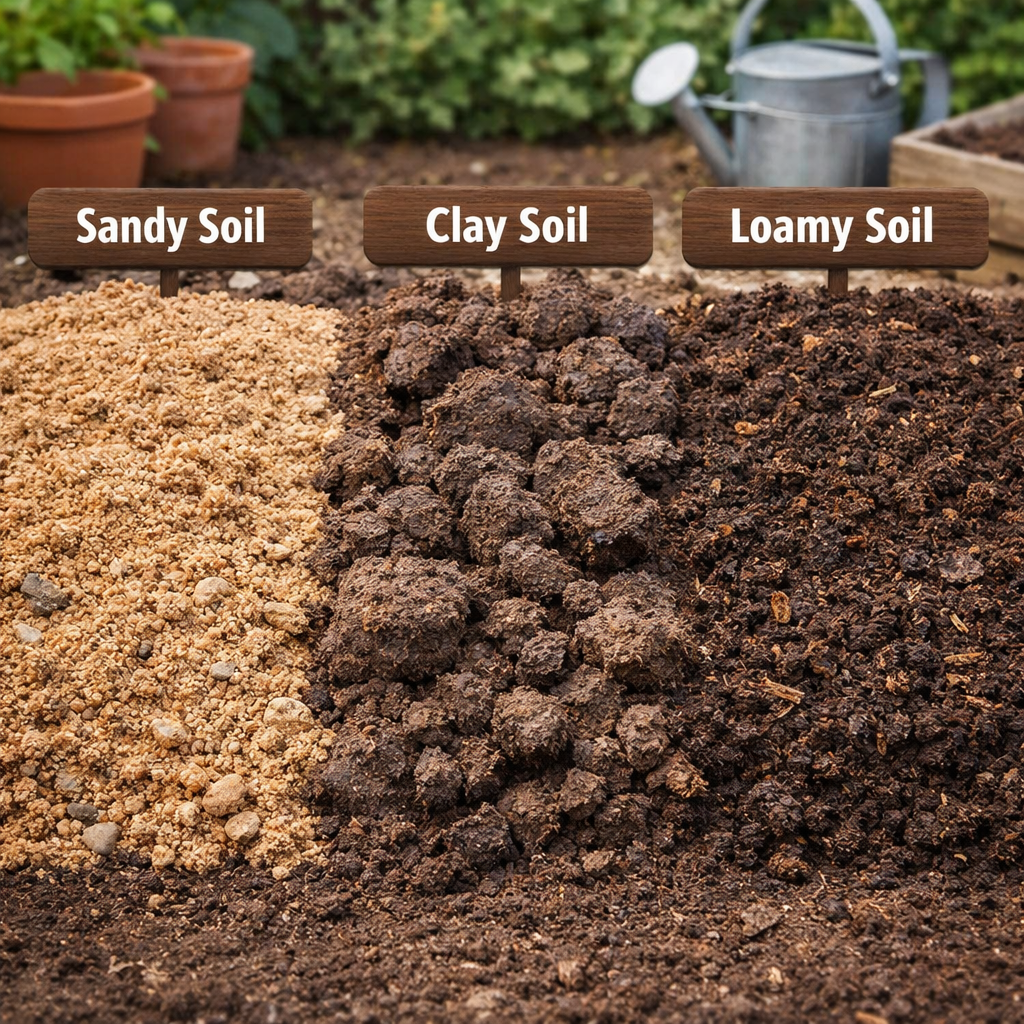
🌍 Types of Soil and Their Uses
Different soil types affect plant health differently. Therefore, understanding soil structure helps you avoid common problems.
Sandy Soil
- Fast drainage
- Low nutrient retention
- Ideal for succulents and herbs
Clay Soil
- High nutrient content
- Poor drainage
- Needs organic matter to improve
Loamy Soil (Best Choice)
Loamy soil is widely considered the best soil for plants because it combines sand, silt, and clay.
Benefits of loamy soil:
- Excellent drainage
- Strong nutrient retention
- Ideal root support
🪴 Best Soil for Indoor Plants
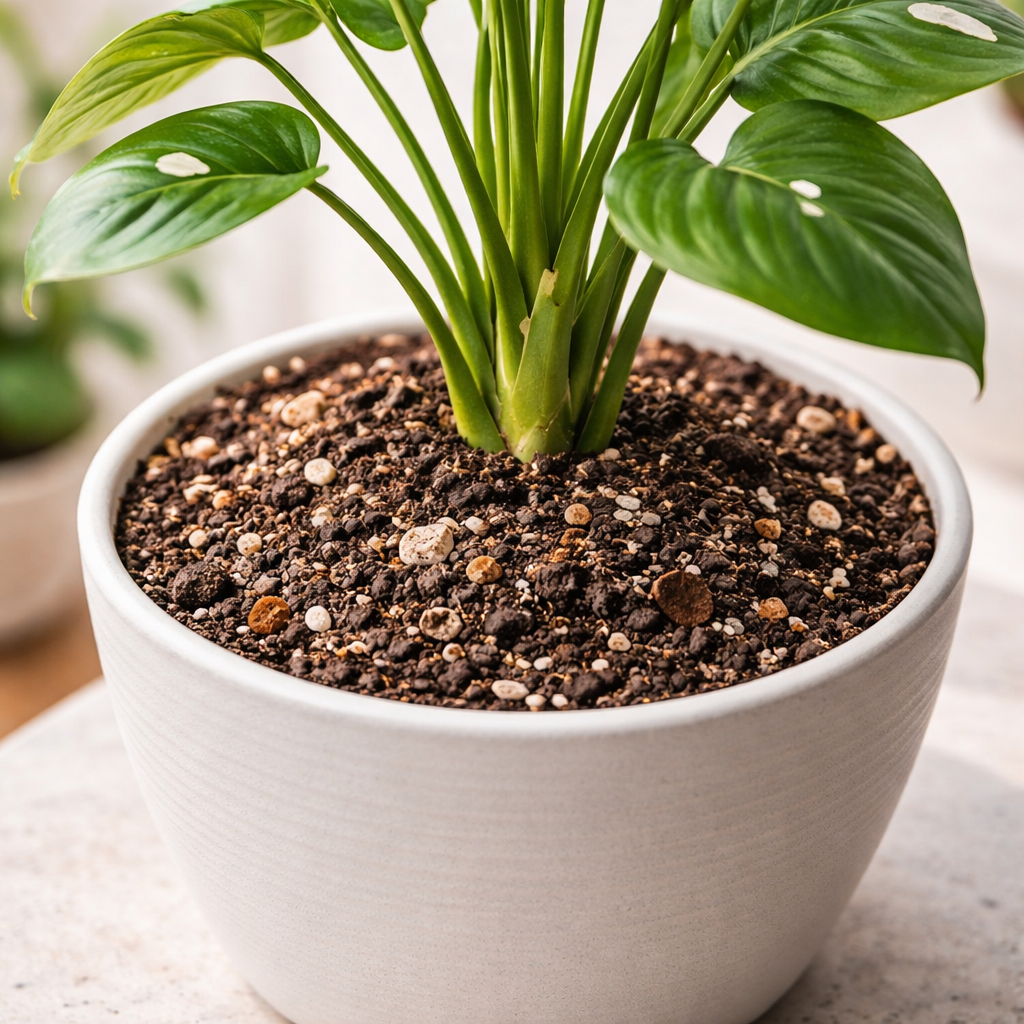
Indoor plants require lighter soil mixes. Unlike garden soil, indoor plant soil must prevent water buildup and root rot.
Best indoor plant soil contains:
- Peat moss or coco coir
- Perlite or vermiculite
- Compost or worm castings
Avoid using outdoor soil indoors because it compacts easily and may contain pests.
Mold in Indoor Plant Pots: Causes and Prevention
🌼 Best Soil for Garden Plants
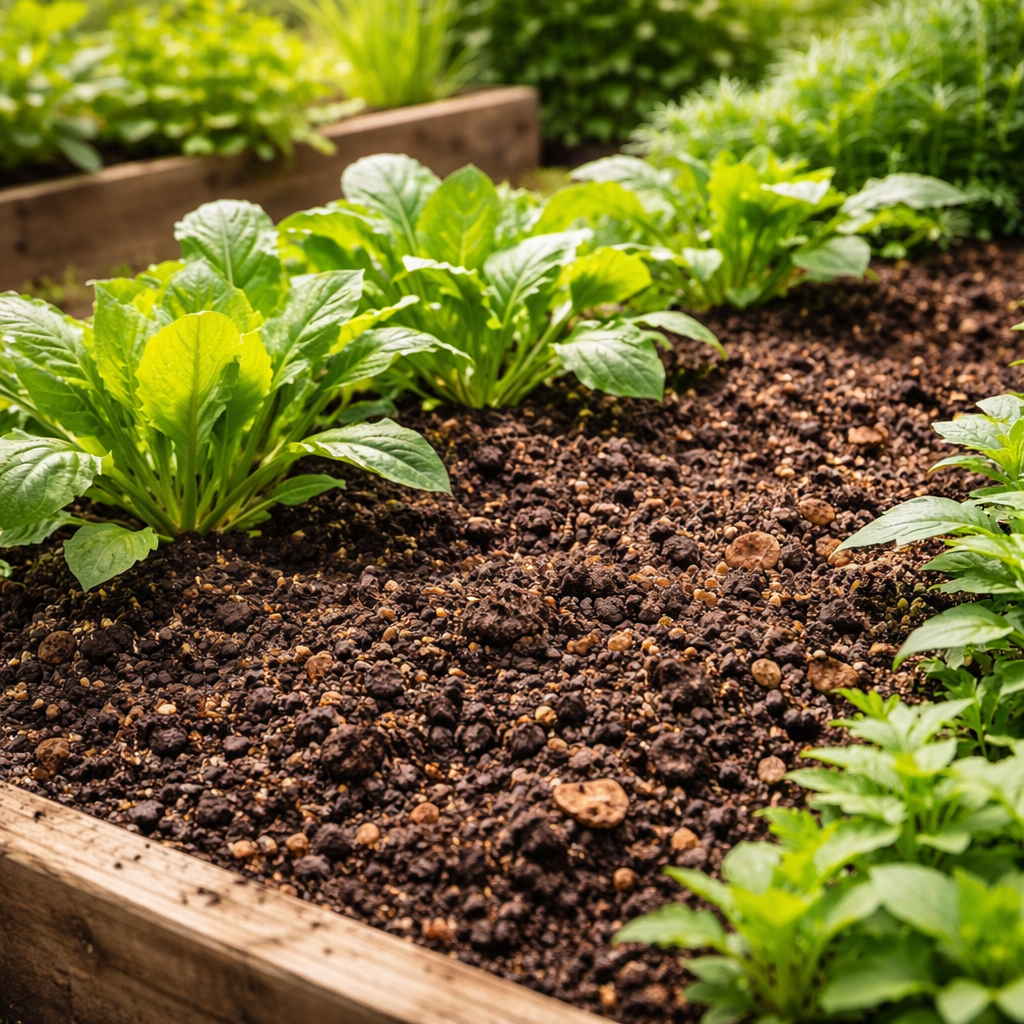
Garden plants thrive in nutrient-rich garden soil with organic matter. However, natural soil often needs improvement.
To create healthy plant soil outdoors:
- Add compost regularly
- Mulch to retain moisture
- Avoid stepping on garden beds
Raised beds also allow better control over soil quality.
🌾 Essential Nutrients in Soil for Plant Growth
Plants depend on nutrients stored in soil. Without them, growth slows and leaves discolor.
Key soil nutrients:
- Nitrogen – leaf development
- Phosphorus – root and flower growth
- Potassium – plant strength and disease resistance
Nitrogen Deficiency in Plants: Symptoms and Fixes
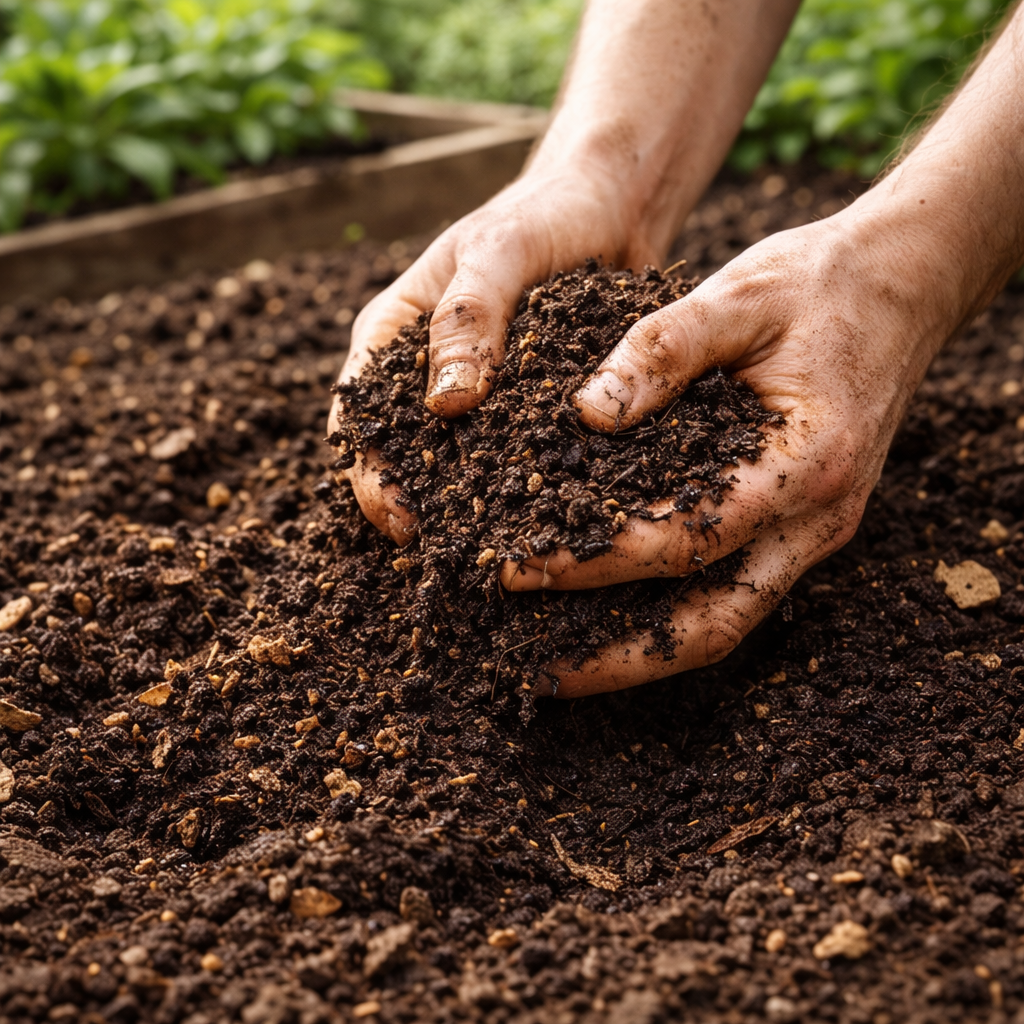
🌱 How to Improve Poor Soil Naturally
Even poor soil can be improved. Most importantly, natural methods protect long-term soil health.
Natural soil improvement tips:
- Add compost or aged manure
- Use leaf mold
- Rotate crops
As a result, soil becomes richer and more productive over time.
🚫 Common Soil Mistakes to Avoid
Many plant problems start below the surface. Therefore, avoiding soil mistakes is essential.
Avoid these errors:
- Overwatering heavy soil
- Using the wrong soil type
- Ignoring drainage holes
Overwatering Plants: Signs, Effects, and Solutions
🔁 How Often Should You Replace Soil?
Soil nutrients deplete over time. Consequently, refreshing soil supports continued plant health.
- Indoor plants: every 1–2 years
- Potted plants: yearly
- Garden beds: amend each season
How Often Should You Water Indoor Plants?
❓ Frequently Asked Questions
What is the best soil for most plants?
Loamy soil rich in organic matter is the best choice for most plants.
Can I use garden soil for indoor plants?
No. Garden soil is too heavy and may contain pests or diseases.
How do I know if my soil is poor?
Slow growth, yellow leaves, and compacted soil are common signs.
How can I improve soil naturally?
Adding compost, leaf mold, and organic matter improves soil quality.