Why indoor plants are dying is one of the most common questions among plant owners. Indoor plants dying is usually not a coincidence but the result of common houseplant mistakes. Indoor plant care problems often go unnoticed at first. As a result, houseplants dying becomes an ongoing issue instead of a temporary problem.
However, the good news is that most mistakes are easy to fix once you know what to look for. Below, we’ll explore the most common reasons indoor plants die and how to prevent them.
1. Overwatering: The #1 Cause of Indoor Plants Dying
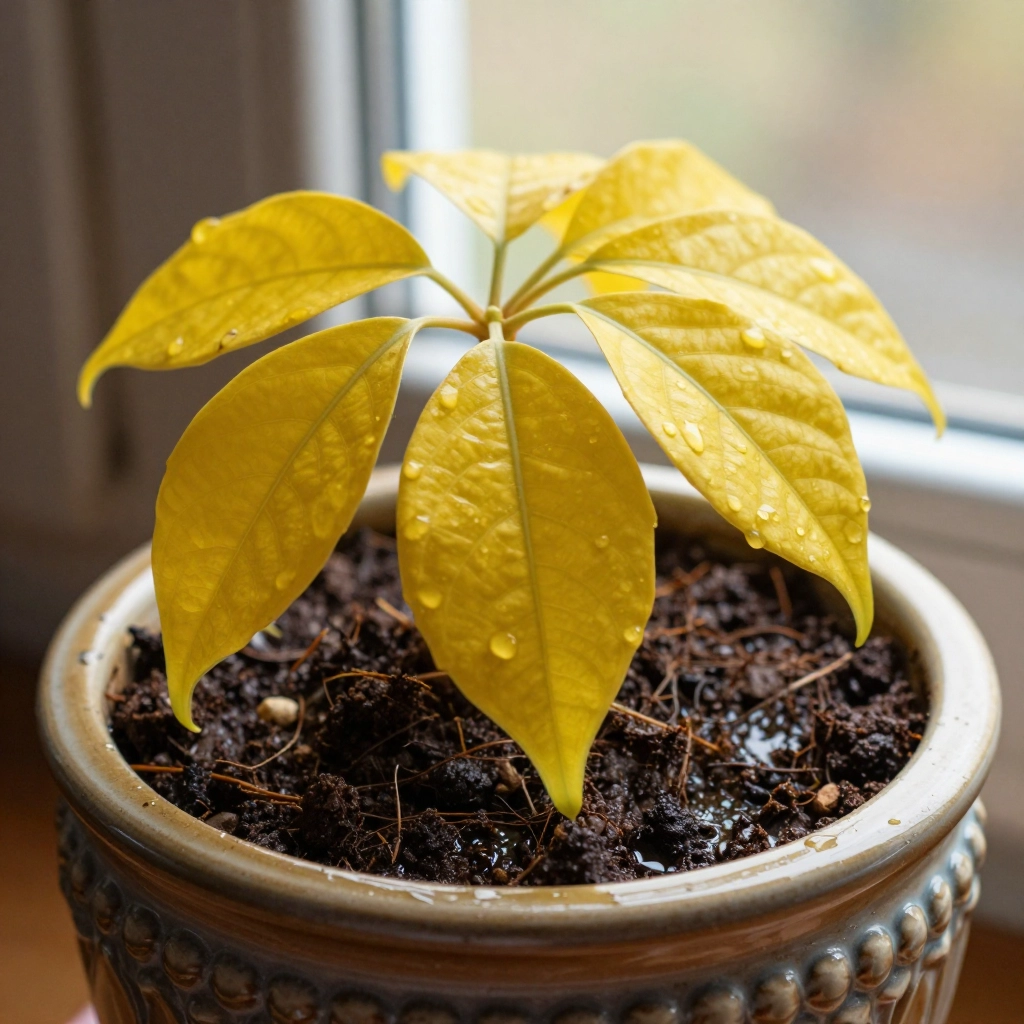
Overwatering is one of the most frequent indoor plant care problems. Many people believe watering more helps plants grow faster. Unfortunately, too much water suffocates the roots.
As a result, roots begin to rot. Consequently, indoor plants dying becomes inevitable if the issue continues.
Signs of overwatering
- Yellow leaves
- Mushy or black roots
- Mold on soil
- Wilting even though soil is wet
👉 Overwatering Plants: Signs, Effects, and Solutions
2. Underwatering and Irregular Watering
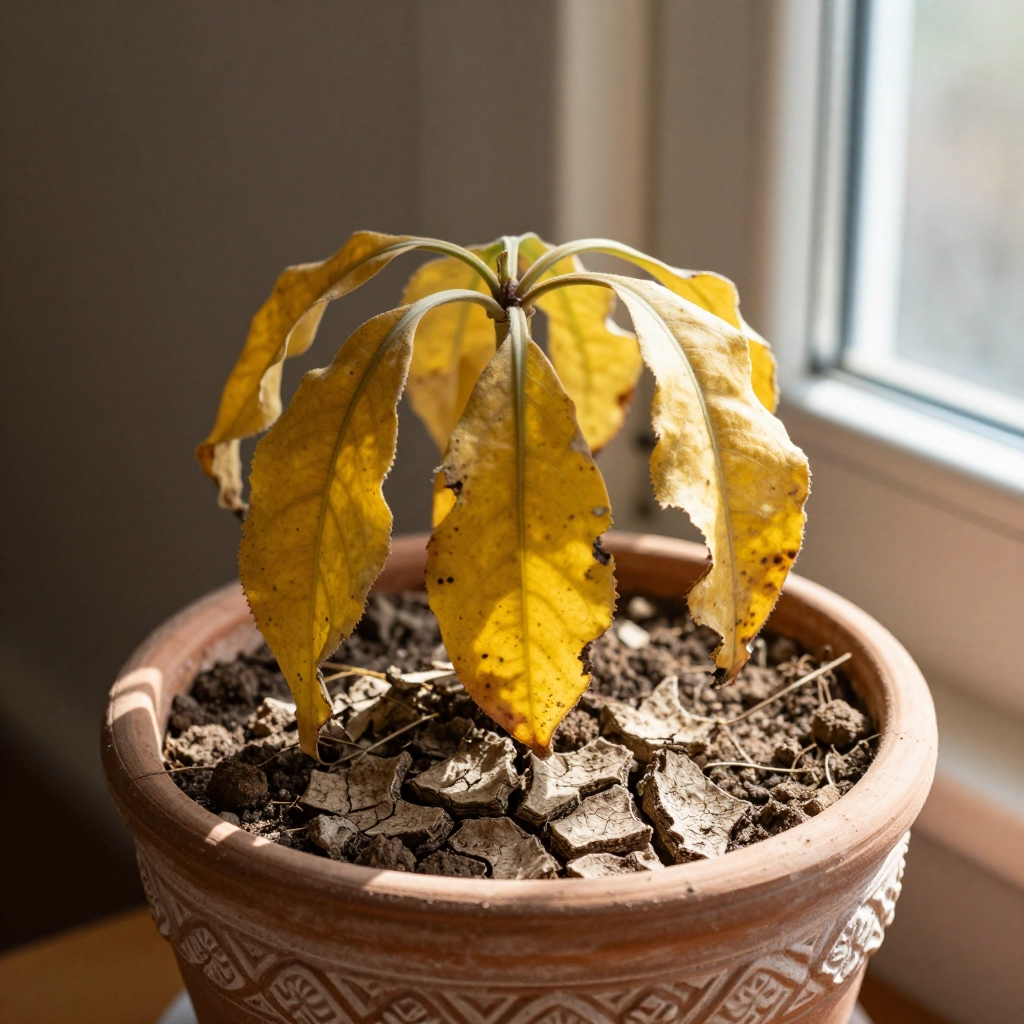
On the other hand, underwatering can also cause serious damage. When plants don’t get enough water, they lose turgor pressure. As a result, leaves droop and dry out.
In addition, irregular watering stresses plants. Therefore, even hardy houseplants may start dying.
Common symptoms
- Dry, crispy leaves
- Soil pulling away from pot edges
- Slow growth
Why Indoor Plants Are Dying: Mistakes
3. Poor Lighting Conditions
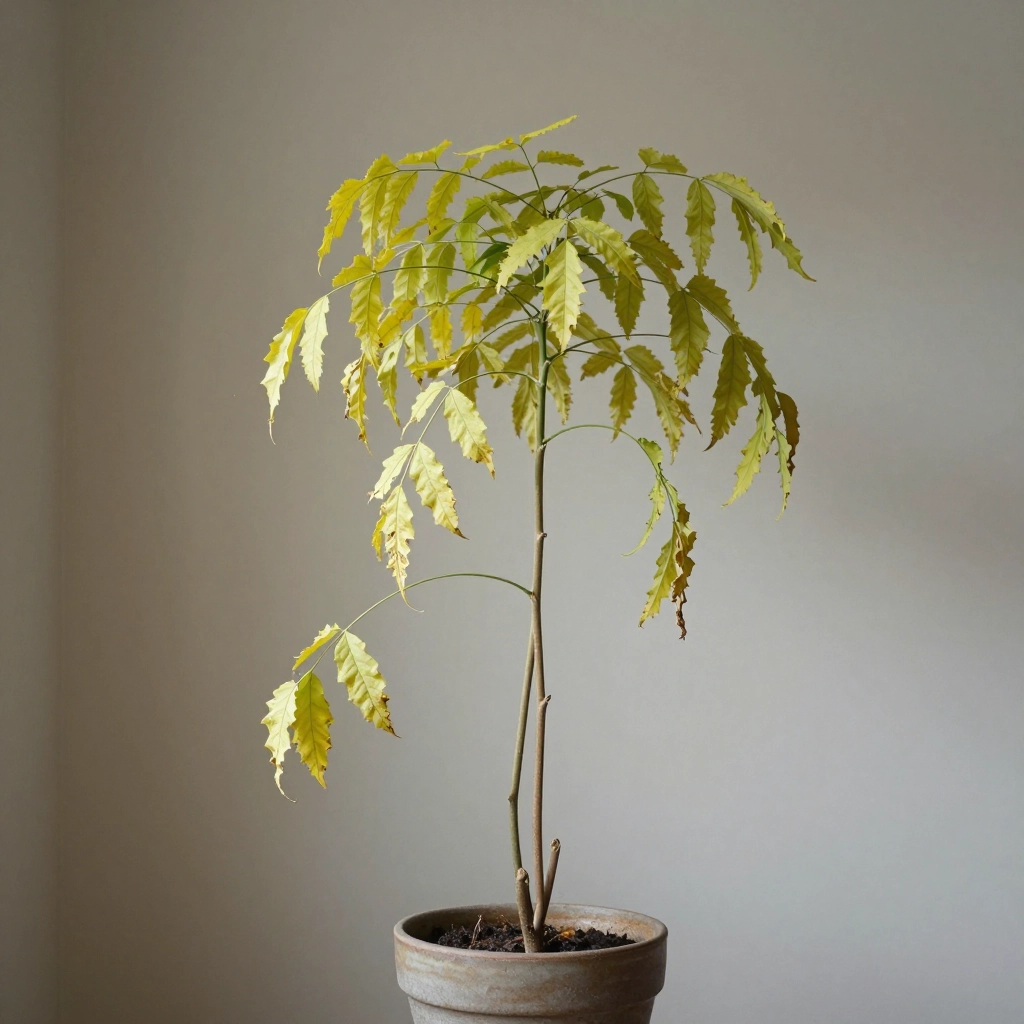
Lighting plays a critical role in plant health. Low light problems in indoor plants are extremely common. Some plants need bright indirect light, while others tolerate shade.
If light requirements are ignored, plants weaken over time. Consequently, indoor plants dying becomes unavoidable.
Lighting mistakes include
- Placing sun-loving plants in dark rooms
- Direct sunlight burning shade plants
- Not rotating plants
👉 Low Light Problems in Indoor Plants
4. Wrong Pot and Poor Drainage
Another overlooked mistake is using pots without drainage holes. Without proper drainage, excess water stays in the soil. As a result, root rot develops quickly.
In addition, pots that are too small restrict root growth. Therefore, plants become stressed and stop growing.
What to do
- Always use pots with drainage holes
- Choose the right pot size
- Empty saucers after watering
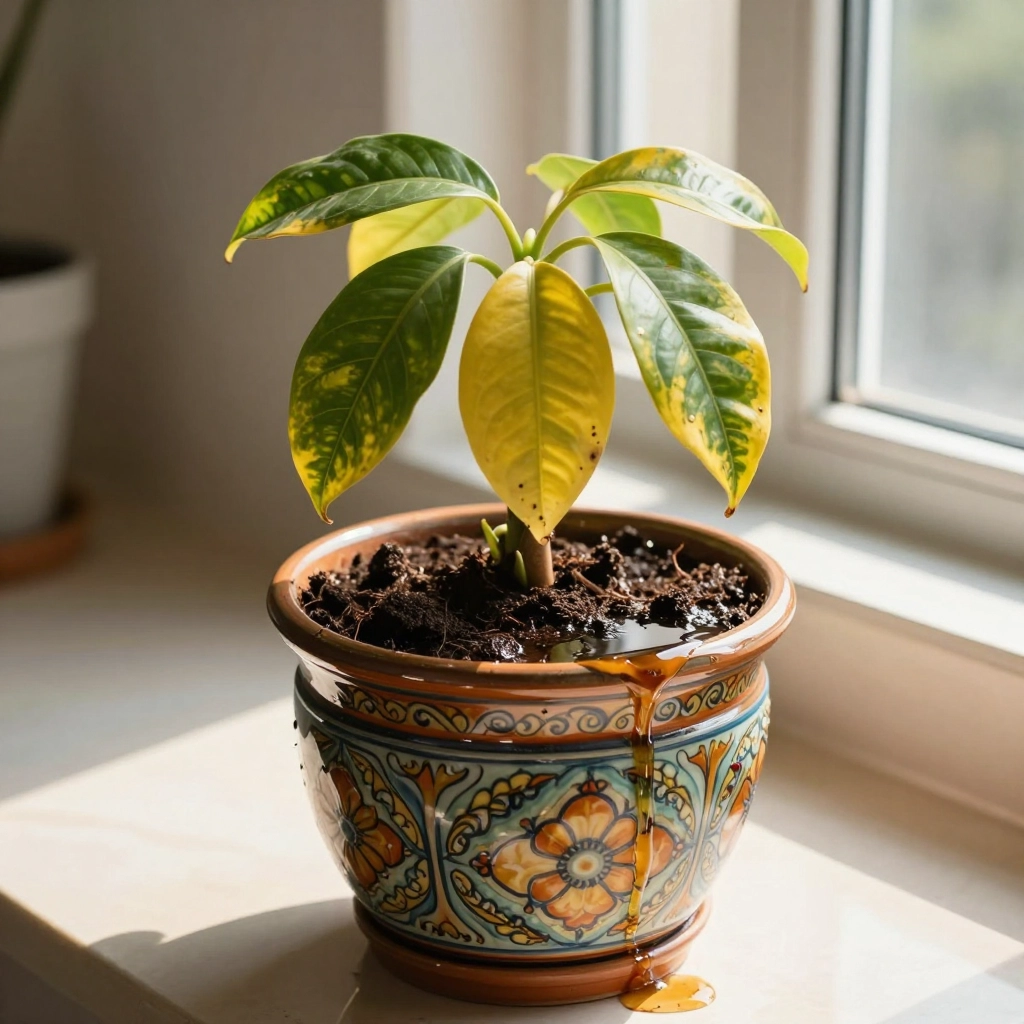
5. Nutrient Deficiency or Overfertilizing
Plants need nutrients, but balance is key. Lack of nutrients causes weak growth. However, too much fertilizer burns roots.
As a result, leaves may turn yellow or brown. Consequently, indoor plant care problems escalate.
Common signs
- Pale or yellow leaves
- Stunted growth
- Salt buildup on soil
👉 Signs of Nutrient Deficiency in Plants
👉 How to Use Fertilizers Correctly Without Harming Plants
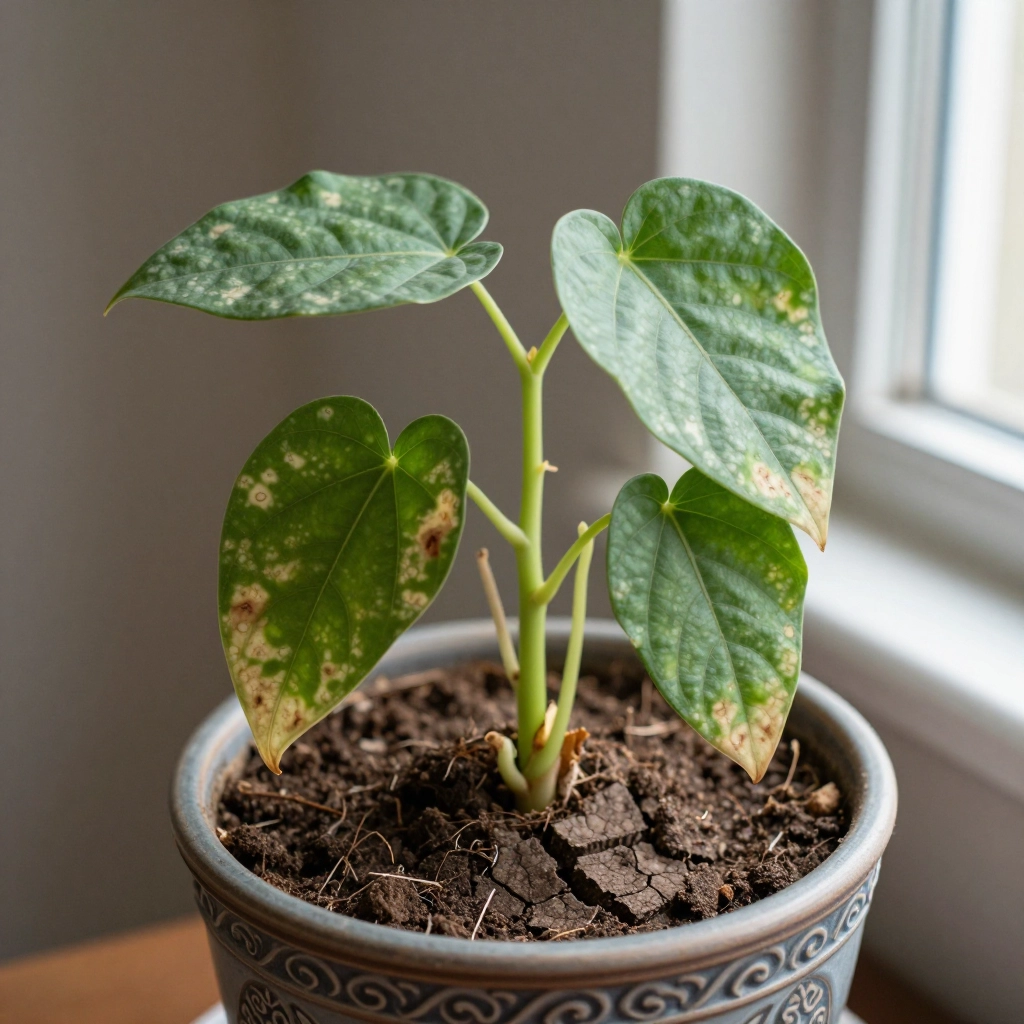
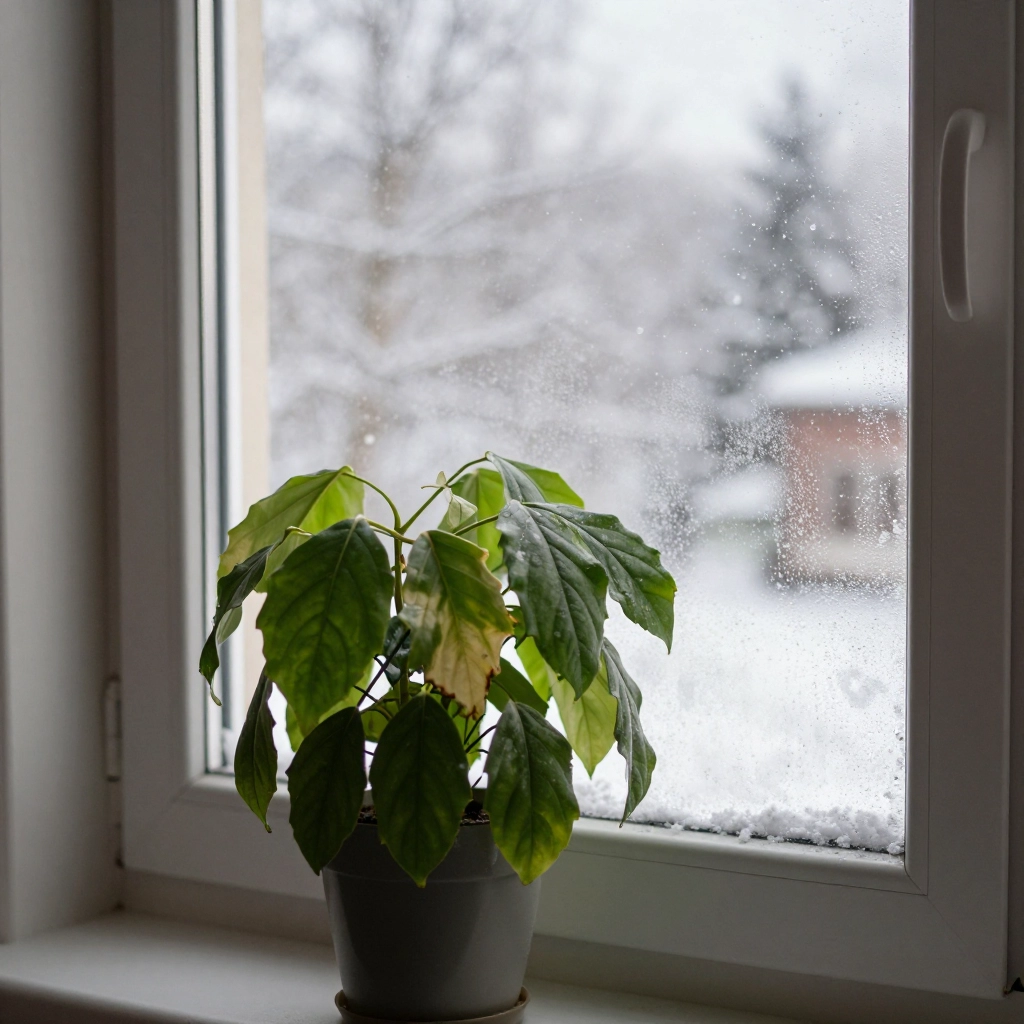
6. Temperature Stress and Drafts
Indoor plants are sensitive to sudden temperature changes. Cold drafts, heaters, and air conditioners can damage leaves.
Therefore, placing plants near windows in winter or vents year-round is risky.
Avoid
- Cold windowsills
- Heat sources
- Sudden temperature swings
👉 How to Care for Indoor Plants in Winter
7. Ignoring Pests and Fungal Problems
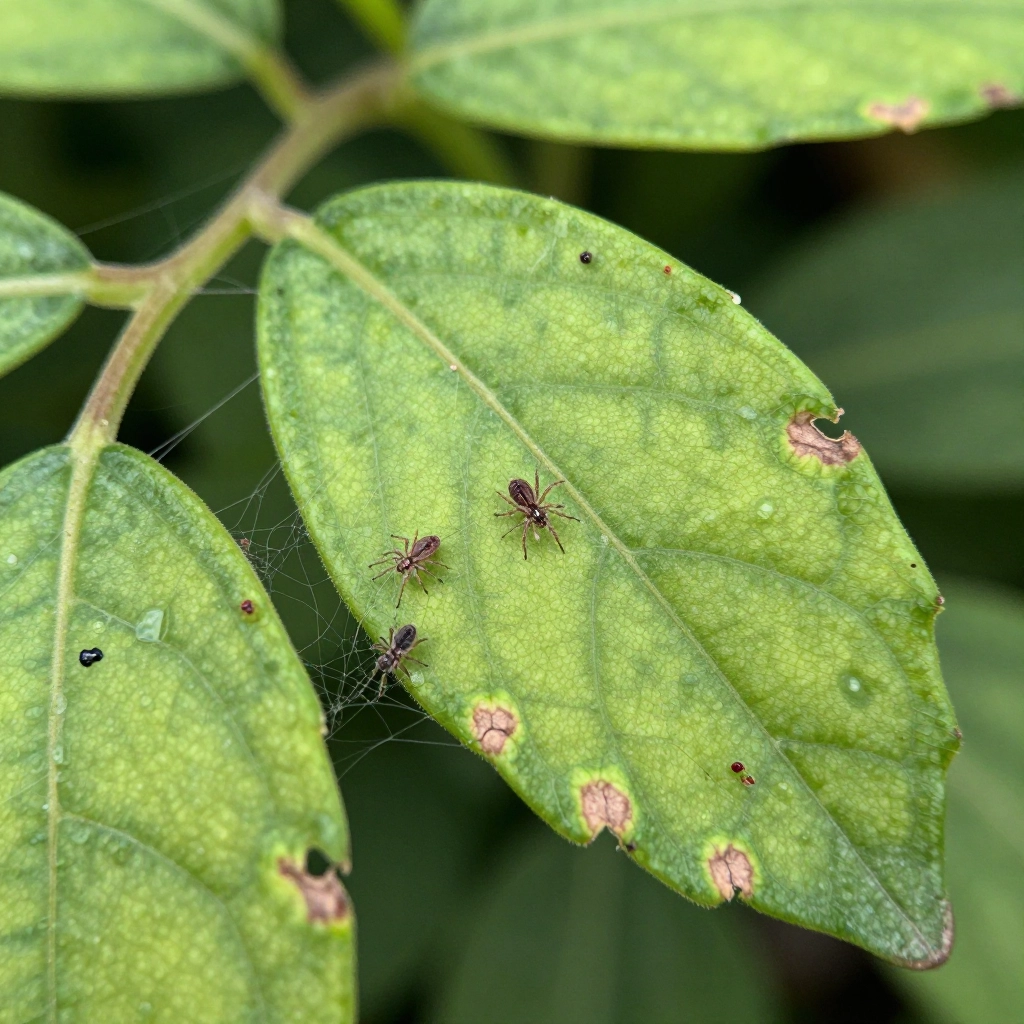
Small pests can cause big problems. Spider mites, aphids, and fungus spread quickly indoors.
As a result, untreated infestations weaken plants. Eventually, houseplants dying becomes unavoidable.
Warning signs
- Sticky residue on leaves
- Tiny webs or insects
- Spotted or curling leaves
👉 Spider Mites on Houseplants: Causes and Treatment
👉 Aphids on Plants: How to Get Rid of Them Naturally
How to Stop Indoor Plants from Dying
To sum up, why indoor plants are dying often comes down to simple care mistakes. Once these common houseplant mistakes are corrected, plants usually recover quickly.
Quick tips
- Water correctly
- Match plants to light conditions
- Use proper pots and soil
- Monitor for pests regularly
👉 How to Revive a Dying Houseplant
