
Aphids on plants are one of the most common garden pests. They are tiny, but they can cause big problems. However, the good news is this: you can get rid of aphids naturally without using harsh chemicals.
In this guide, you will learn how to identify aphids, why they appear, and which natural methods work best. Moreover, these solutions are safe for your plants, soil, and beneficial insects.
What Are Aphids and Why Are They a Problem?
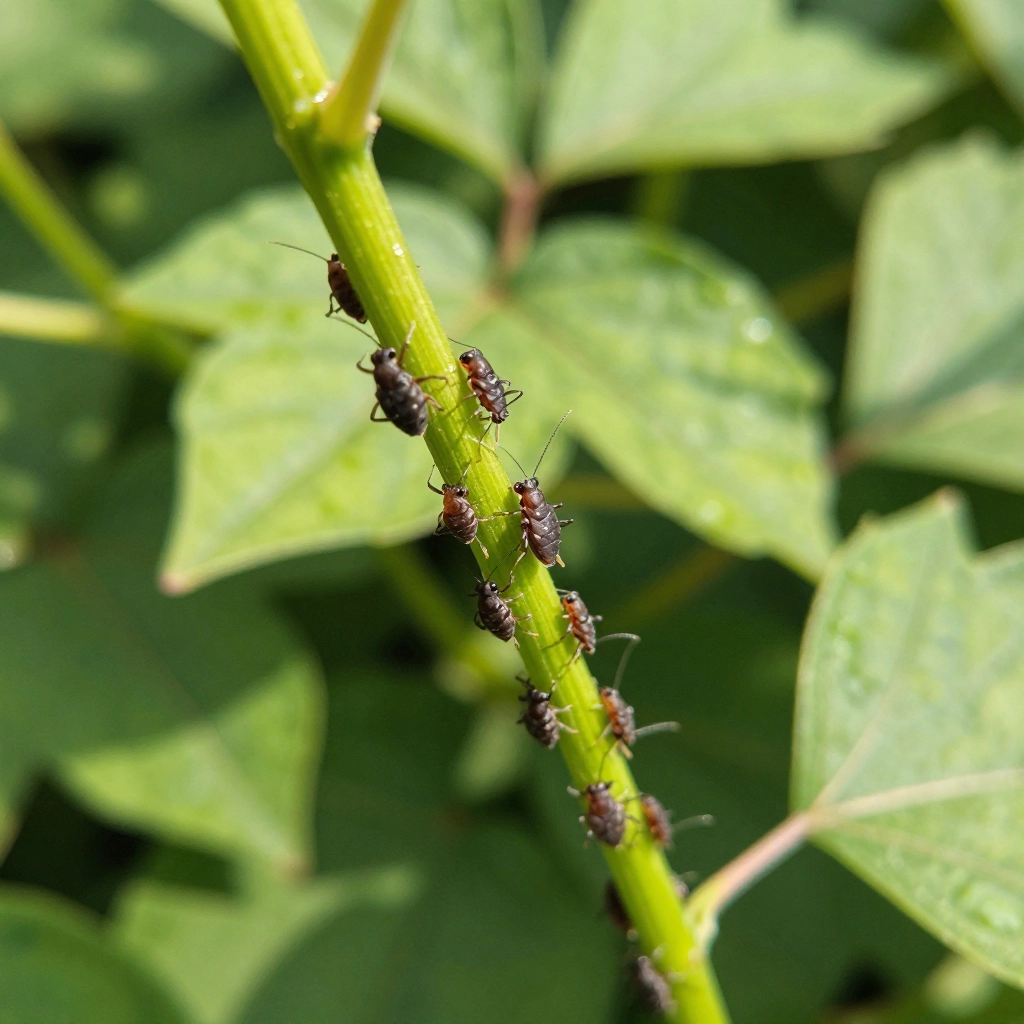
Aphids are small, soft-bodied insects that feed on plant sap. They usually gather on new growth, stems, and the undersides of leaves.
Because they multiply quickly, aphids can weaken plants fast. As a result, leaves may curl, turn yellow, or stop growing.
👉 Related issue: Yellow Leaves on Plants: Causes and Solutions
Common Signs of Aphids on Plants
You may have aphids if you notice:
- Clusters of tiny green, black, or white insects
- Sticky residue on leaves (called honeydew)
- Curling or distorted leaves
- Slow or stunted plant growth
- Ants crawling on your plants
If your plant looks weak overall, you may also want to read
👉 Why Are Indoor Plants Dying? Common Mistakes
Why Aphids Appear on Plants
Aphids usually appear when plants are stressed. Therefore, prevention is just as important as treatment.
Common causes include:
- Overwatering or underwatering
- Poor soil quality
- Too much nitrogen fertilizer
- Weak air circulation
Helpful reads:
- 👉 Overwatering Plants: Signs, Effects, and Solutions
- 👉 Underwatering Plants: How to Tell and What to Do
- 👉 Nitrogen Deficiency in Plants: Symptoms and Fixes
How to Get Rid of Aphids Naturally
Now let’s look at safe and proven natural methods. You can combine several of these for better results.
1. Spray with Water
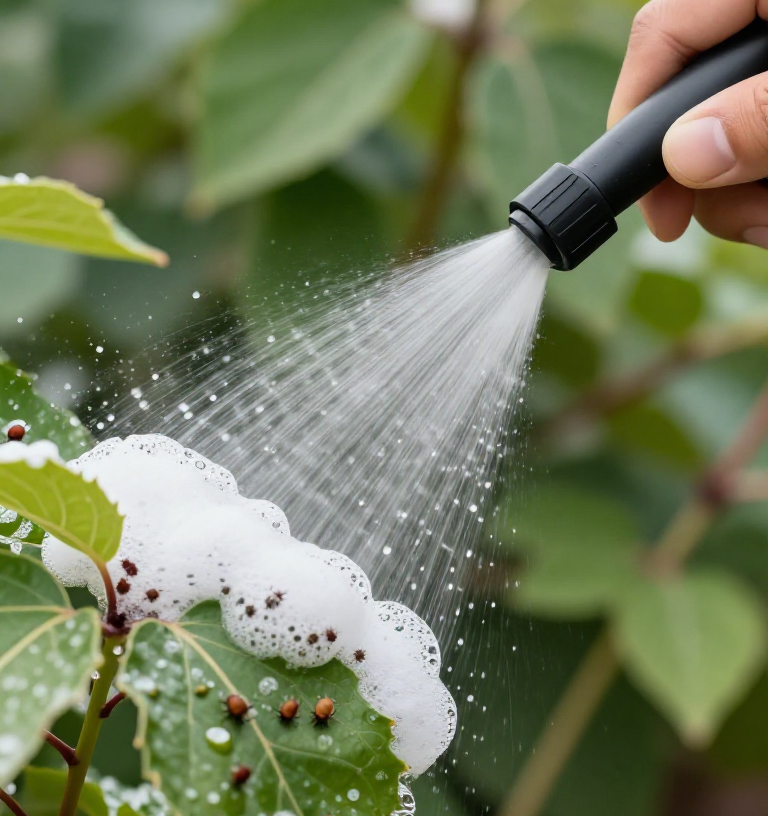
First of all, a strong stream of water can remove aphids instantly. This method works best for light infestations.
How to do it:
- Use a garden hose or spray bottle
- Focus on leaf undersides
- Repeat every few days
This method is gentle and chemical-free.
2. Use Soapy Water (Natural Soap Only)
Next, soapy water is one of the most effective natural solutions.
Recipe:
- 1 liter of water
- 1 teaspoon of mild liquid soap (no detergents)
Spray directly on aphids. After that, rinse plants with clean water after a few hours.
⚠️ Always test on one leaf first.
3. Neem Oil Spray
Neem oil disrupts aphids’ feeding and reproduction. Moreover, it is safe when used correctly.
How to use:
- Mix neem oil with water (follow label instructions)
- Spray in the evening
- Apply once a week
Neem oil also helps with other pests. See:
👉 Nitrogen Deficiency in Plants: Symptoms and Fixes
4. Introduce Beneficial Insects
Ladybugs and lacewings are natural aphid predators. Therefore, attracting them is a smart long-term solution.
To attract beneficial insects:
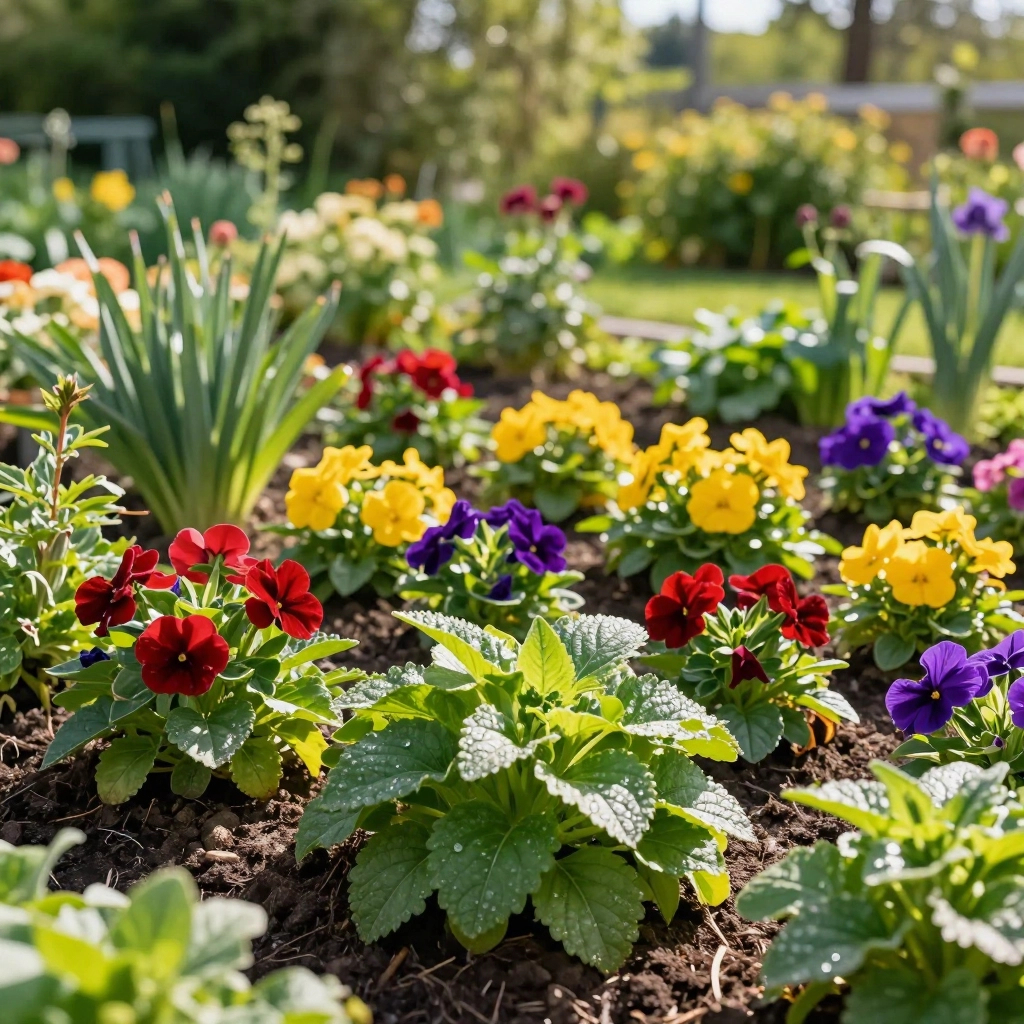
- Plant flowers like dill and marigolds
- Avoid chemical pesticides
5. Remove Aphids by Hand
For small infestations, simply wipe aphids off using gloves or a damp cloth. Although it sounds simple, it works very well.
Natural Prevention Tips
Once aphids are gone, prevention is key.
Here’s how to keep them away:
- Keep plants healthy and stress-free
- Avoid over-fertilizing
- Improve soil quality
- Check plants weekly
Helpful soil guides:
Aphids on Indoor Plants
Aphids can also attack houseplants. Indoors, they spread even faster because there are no natural predators.
If you grow plants inside, also read:
For indoor plants, always isolate the infected plant first.
When Aphids Cause Bigger Plant Problems
If aphids are ignored, plants may stop growing or become weak. In severe cases, they may not recover easily.
Related growth issues:
Final Thoughts
Aphids may be common, but they are easy to control naturally. With regular checks, healthy soil, and gentle treatments, your plants can recover quickly.
Most importantly, natural methods protect your garden ecosystem while keeping your plants strong and beautiful 🌱
If your plant still looks weak, you may find help here:
👉 How to Revive a Dying Houseplant