
Root rot in plants is one of the most common and dangerous plant problems.
However, many plant owners do not notice it until it is too late.
Fortunately, if you act early, your plant can still be saved.
In this guide, you will learn what causes root rot, how to spot the symptoms, and what steps to take to rescue your plant.
What Is Root Rot?
Root rot is a condition where plant roots begin to decay.
This usually happens because the roots sit in water for too long.
As a result, oxygen cannot reach the roots.
Without oxygen, roots weaken and start to die.
Soon after, fungi and bacteria attack the damaged tissue.
Main Causes of Root Rot in plants
Root rot rarely appears without a reason.
In most cases, one or more of the following problems are responsible.
Overwatering
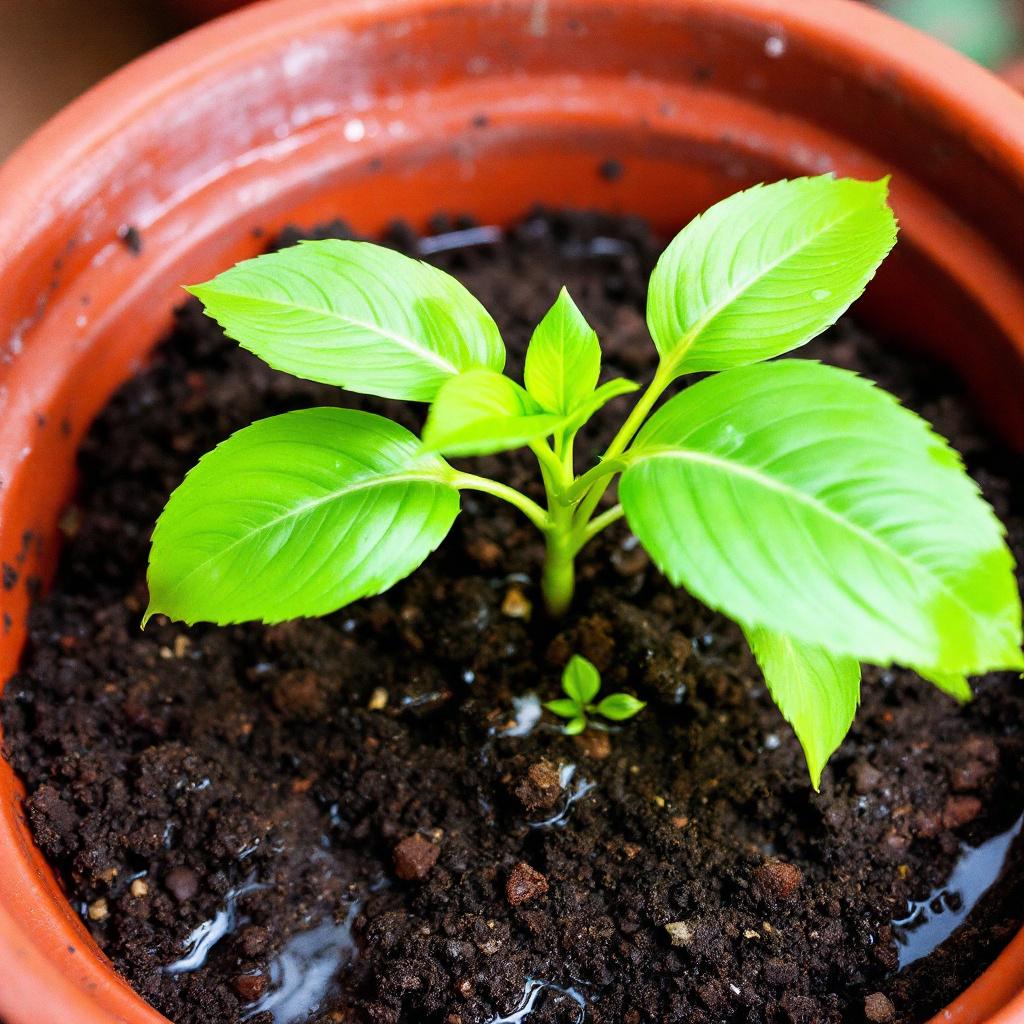
Overwatering is the leading cause of root rot.
When soil stays wet all the time, roots suffocate.
Poor Drainage
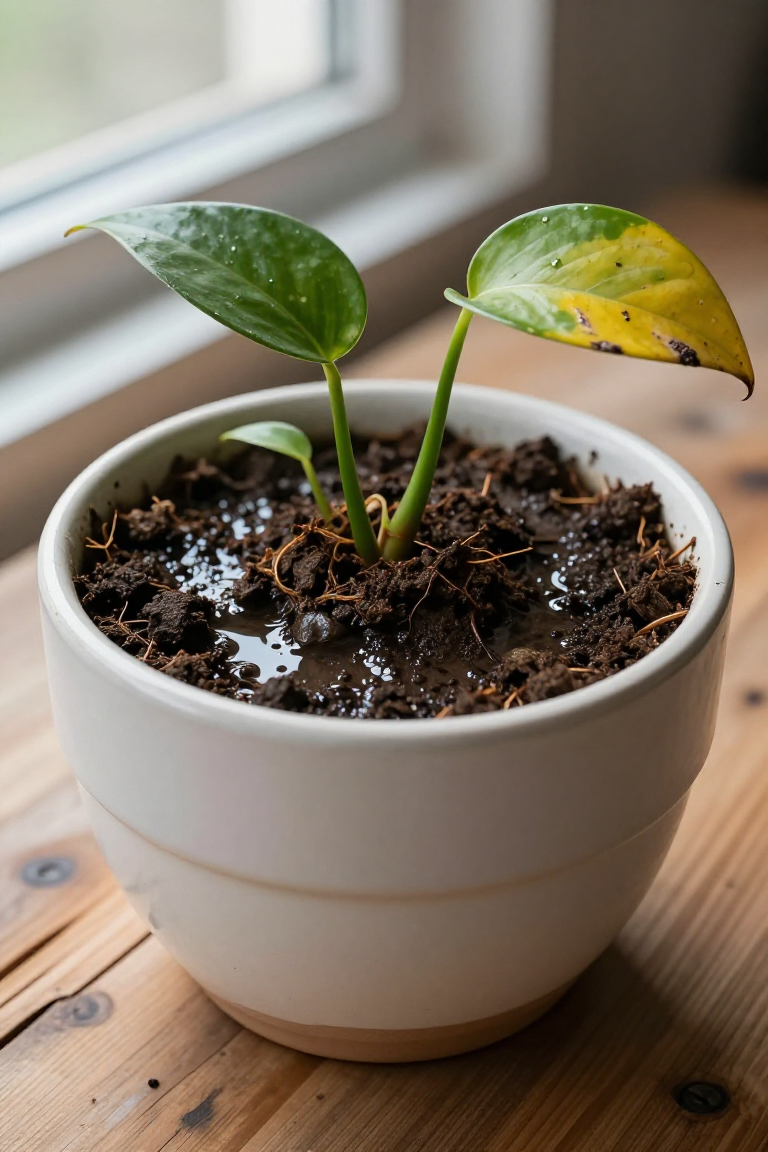
Even correct watering can cause problems if water cannot escape.
For example, pots without drainage holes trap moisture.
Heavy or Compact Soil
Dense soil holds water for too long.
Therefore, roots stay wet and begin to rot.
Fungal Pathogens
In addition, fungi such as Pythium or Phytophthora thrive in wet soil.
Once active, they spread quickly.
Common Symptoms of Root Rot in plants
Root rot symptoms often look like watering problems.
Because of this, many people misdiagnose it.
Look for these warning signs:
- Yellow or pale leaves
- Wilting even when soil is wet
- Slow or stunted growth
- Soft, mushy stems near the soil line
- A foul smell coming from the pot
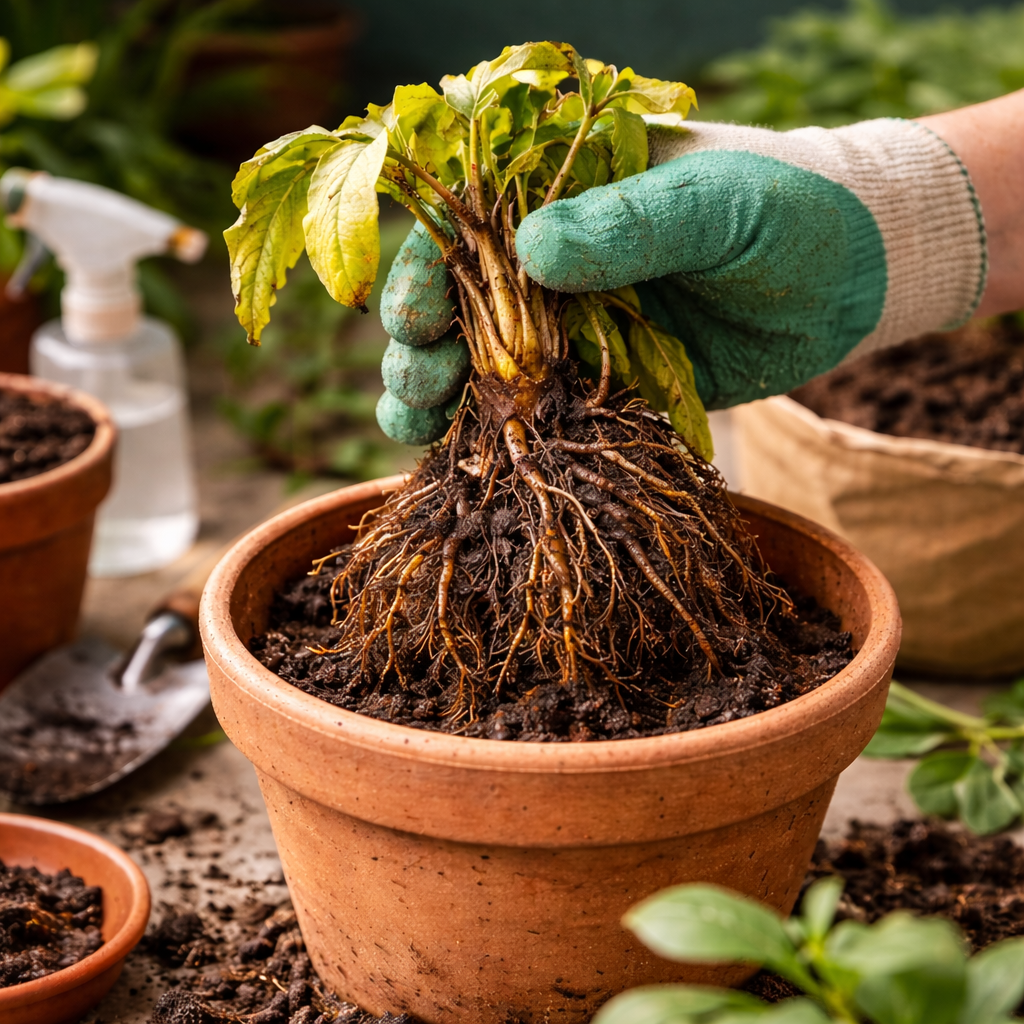
If you gently remove the plant from its pot, healthy roots should be firm and white.
In contrast, rotten roots are brown, black, and soft.
How to Save a Plant with Root Rot
Although root rot is serious, quick action can save your plant.
Follow these steps carefully.
Step 1: Remove the Plant from the Pot
First, take the plant out of its container.
Shake off excess soil so you can see the roots clearly.
Step 2: Trim Affected Roots
Next, use clean scissors or pruning shears.
Cut away all soft, dark, or mushy roots.
Only firm, healthy roots should remain.
Step 3: Disinfect the Roots
After trimming, rinse the roots with clean water.
Optionally, you can apply a mild fungicide or cinnamon powder.
Step 4: Repot in Fresh Soil
Now, choose fresh, well-draining soil.
Make sure the pot has drainage holes.
Never reuse old, contaminated soil.
Step 5: Adjust Watering Habits
Finally, water lightly after repotting.
Allow the soil to dry slightly between waterings.
How to Prevent Root Rot in plants in the Future
Prevention is always easier than treatment.
Luckily, a few simple habits can protect your plants.
- Water only when the top soil feels dry
- Use pots with drainage holes
- Choose light, well-aerated soil
- Empty saucers after watering
- Reduce watering during colder months
Most importantly, observe your plants regularly.
Early changes are easier to fix.
When a Plant Cannot Be Saved
Sadly, some plants are beyond recovery.
If all roots are rotten and the stem is soft, saving the plant may not be possible.
In this case, dispose of the plant carefully.
Also, disinfect the pot before reusing it.
Final Thoughts
Root rot is a silent killer.
However, with the right knowledge, it can be prevented or treated.
By improving drainage, watering correctly, and acting quickly, you can keep your plants healthy and strong for years to come.